

















Why Does My Car Battery Keep Failing?


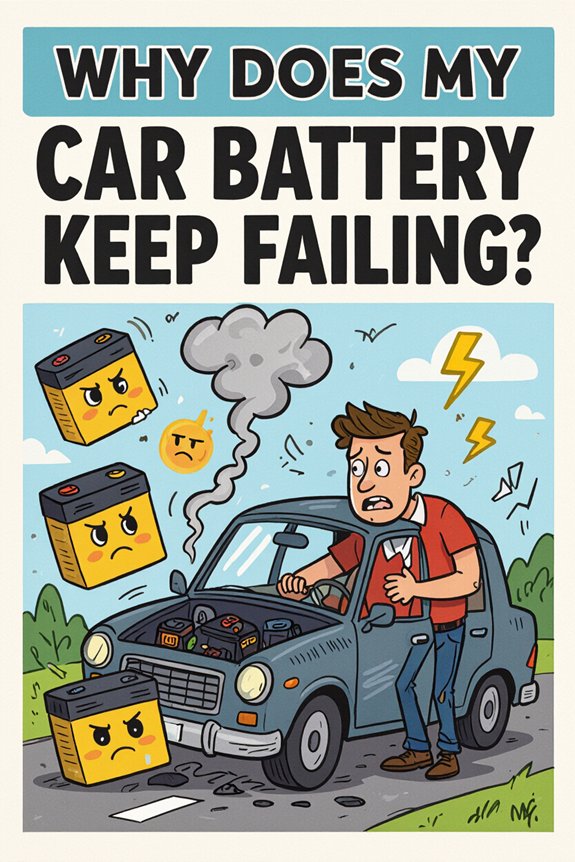
Your car battery keeps failing because factors like parasitic electrical drain, faulty alternator or voltage regulators, corrosion on terminals, and loose cables disrupt charging and power flow.
Extreme temperatures, overcharging, undercharging, frequent short trips, and natural battery aging also reduce performance and lifespan.
Regular testing and maintenance can identify these issues early to avoid failure. Understanding these causes will help you protect your battery and guarantee reliable vehicle starts.
Table
- Main Points
- Parasitic Drain From Electrical Components
- Faulty Alternator and Charging System Issues
- Impact of Extreme Weather Conditions
- Corrosion on Battery Terminals and Connections
- Effects of Overcharging and Undercharging
- Battery Age and Lifespan Considerations
- Loose or Damaged Battery Cables
- Frequent Short Trips and Inactivity
- Signs Indicating the Need for Battery Replacement
- Frequently Asked Questions
- Final Thoughts
Main Points
- Car batteries typically last 3-5 years; older batteries lose charge capacity and are prone to failure.
- Loose or corroded battery cables disrupt electrical flow, causing starting issues and battery drain.
- Parasitic electrical drains from lights or devices continue to deplete battery power after shutdown.
- Faulty alternators or charging systems cause undercharging or overcharging, damaging the battery.
- Extreme weather conditions accelerate battery wear by affecting chemical reactions and charge retention.
Parasitic Drain From Electrical Components

Parasitic drain happens when electrical components like glove box lights, radios, or aftermarket devices keep drawing power from your car battery even after you turn off the vehicle. This parasitic draw, if excessive, causes gradual battery depletion, leading to frustrating battery issues. Common culprits include glove box and trunk lights that fail to switch off, as well as aftermarket equipment such as subwoofers or phone chargers that remain active. You should monitor your vehicle’s electrical components regularly and disconnect any non-essential devices when the car isn’t in use. Ideally, parasitic draw should stay below 50 milliamps; anything higher signals a problem that demands prompt attention. If your battery frequently dies after short inactivity, diagnostic testing can pinpoint the faulty electrical component responsible for the drain.
Faulty Alternator and Charging System Issues
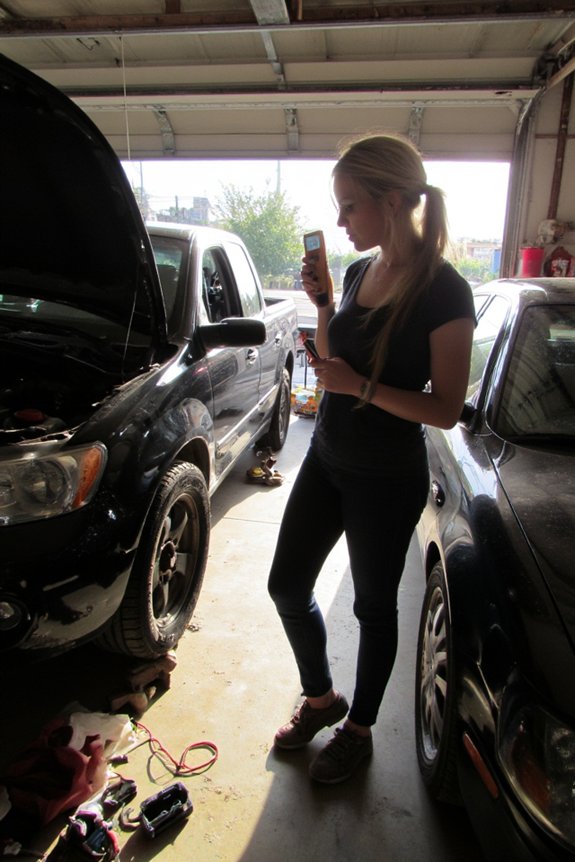
You need to watch for alternator diode failures that can cause inefficient battery charging and gradual power loss. Also, a worn or slipping charging belt can reduce the alternator’s output, while voltage regulation issues may push charging levels outside the ideal 13.5 to 14.5 volts range. Addressing these problems promptly helps maintain proper battery function and prevents premature failure.
Alternator Diode Failures
Although alternator diodes may seem like minor components, their role in converting AC to DC is critical for maintaining proper battery charge. When these diodes fail, your alternator can’t efficiently supply the battery with the voltage it needs—typically between 13.5 and 14.5 volts. This voltage drop undermines battery performance, causing the battery to drain even while the engine runs. You’ll notice dimming lights, erratic electrical behavior, or dashboard warnings signaling a compromised charging system. To liberate yourself from unexpected battery failures, you must prioritize regular diagnostics targeting diode integrity within the alternator. Replacing faulty diodes often restores proper charging without the cost of a full alternator replacement. Addressing alternator diode failures promptly guarantees your battery stays charged, preserving both performance and reliability. For an easy and effective way to check your charging system and diagnose alternator issues, consider using a Bluetooth OBD2 scanner like the FIXD, which can quickly identify charging faults and help you avoid unnecessary battery replacements.
Charging Belt Problems
When the alternator belt wears out or slips, it can't effectively drive the alternator, which directly compromises your vehicle’s charging system. This mechanical failure reduces the alternator’s ability to generate the necessary voltage—ideally between 13.5 and 14.5 volts—to recharge the battery efficiently. Without proper alternator belt function, your battery experiences insufficient charging, accelerating battery failure and leaving you vulnerable to frequent jump starts. Faulty belts also increase stress on the alternator, potentially causing premature alternator damage. To liberate yourself from recurring battery issues, prioritize regular inspection and replacement of the alternator belt as part of your charging system maintenance. Doing so guarantees consistent alternator performance, preventing battery drain and maintaining your vehicle's electrical stability on the road. For precise diagnosis of battery and charging system problems, consider using a car battery tester to evaluate battery health and alternator output.
Voltage Regulation Issues
Beyond alternator belt issues, the alternator itself plays an essential role in maintaining proper voltage levels within the charging system. When the alternator malfunctions, voltage regulation issues arise, causing inadequate voltage output—often below the significant 13.5 to 14.5 volts range. This undercharging leads to your battery dying even while the engine runs. Faulty diodes inside the alternator may further disrupt efficient charging, manifesting as dim lights or erratic electrical behavior. Overcharging, another symptom of voltage regulation problems, can damage the battery, shortening its lifespan. To avoid frequent battery dying and unexpected failures, you need regular diagnostics and maintenance focused on the alternator and charging system. Identifying these voltage regulation issues early liberates you from recurrent battery replacements and jump-starts. Utilizing a diagnostic tool such as the FOXWELL NT301 Plus can help pinpoint alternator and charging system problems before they lead to battery failure.
Impact of Extreme Weather Conditions
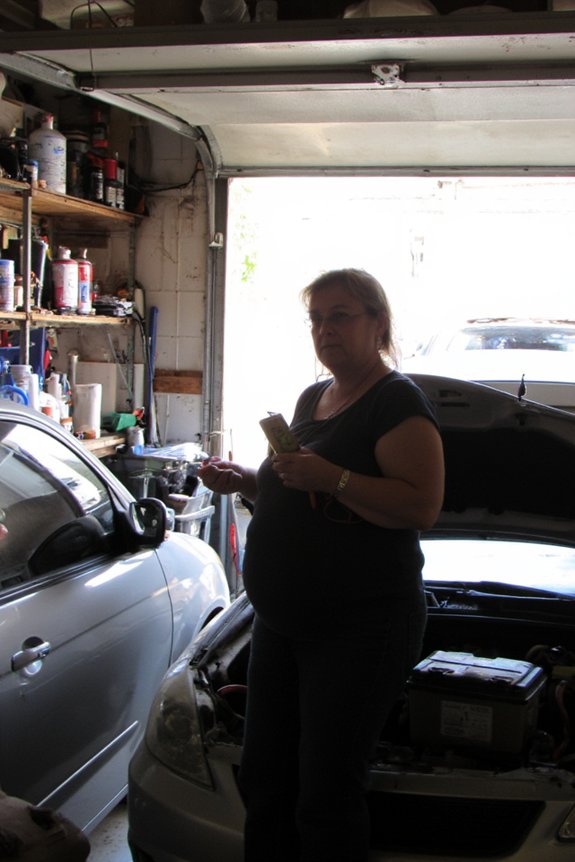
Extreme weather conditions greatly impact your car battery's performance and longevity. High temperatures above 100 degrees Fahrenheit accelerate electrolyte evaporation and damage internal components, causing sulfate buildup that shortens battery life. Conversely, low temperatures below 10 degrees Fahrenheit slow electron movement and increase internal resistance, considerably reducing the Cold Cranking Amps (CCA) necessary for efficient engine starts. These seasonal changes demand your attention; regular battery checks become essential, especially for units older than four years, to prevent unexpected failures. By understanding how extreme heat hastens degradation and cold impairs starting power, you can take proactive steps to maintain battery health. Staying vigilant against these environmental stressors liberates you from frequent battery replacements and roadside frustrations.
 10 Best Car Battery Checks for Winter Maintenance
Corrosion on Battery Terminals and Connections

You’ll notice corrosion on battery terminals forms when volatile chemicals escape the battery, disrupting electrical conductivity and causing starting problems. This buildup, often white and chalky, can lead to loose connections and reduced power transmission. To maintain performance, you should regularly clean terminals using specialized cleaners or baking soda solutions and take safety precautions to prevent corrosion from worsening. For a more accurate diagnosis of battery health and to ensure your cleaning efforts are effective, consider using a car battery tester like the FOXWELL BT705.
Causes of Terminal Corrosion
When volatile chemicals escape from your car battery, they react with moisture and air to form white, crusty deposits on the terminals. This corrosion on battery terminals disrupts electrical flow, impairing your vehicle’s performance. Environmental factors like humidity accelerate these chemical reactions, amplifying terminal deterioration. Overcharging your battery intensifies heat and gas release, further promoting corrosion at connections. Regularly cleaning battery terminals with specialized cleaners or safe homemade solutions helps you maintain a solid electrical interface and prevents buildup. Significantly, visible corrosion often signals deeper problems—charging system issues or battery health decline—that demand prompt inspection. By understanding these causes, you empower yourself to keep your battery connections clean and your vehicle running reliably without being held back by unseen terminal decay. Using a car battery tester experience can help you quickly identify battery health issues before they lead to terminal corrosion and vehicle failure.
Effects on Battery Performance
Although corrosion on battery terminals might seem minor, it greatly impairs electrical conductivity and can cause starting failures. When corrosion on battery terminals develops, it forms a barrier that disrupts the flow of electricity, leading to poor electrical conductivity. This interference compromises battery performance, causing issues like flickering lights and malfunctioning electrical components. You might notice your vehicle struggling to start or electronic systems failing intermittently. Corrosion often signals deeper problems such as overcharging or hydrogen gas release, which can further degrade the battery’s health. Understanding these effects is essential because compromised connections reduce the battery’s efficiency and lifespan. Addressing corrosion early can keep your battery operating at peak performance, ensuring reliable power delivery and preventing unexpected breakdowns.
Cleaning and Prevention Methods
Since corrosion on battery terminals can severely impair power transmission and cause starting issues, it’s crucial to clean and prevent buildup regularly. You should inspect terminals for white, ashy corrosion signs and address them promptly. Use a baking soda and water mixture for effective cleaning, restoring peak electrical contact. For prevention, apply battery terminal protectors or anti-corrosion sprays. Also, verify connections are tight, as loose terminals can worsen corrosion and electrical failures.
Keep these steps in mind for corrosion cleaning and prevention:
- Visual inspection for corrosion buildup
- Mixing baking soda with water for cleaning
- Scrubbing terminals gently to remove residue
- Applying anti-corrosion sprays or protectors
- Tightening connections to maintain secure contact
This approach frees you from repeated battery failures and unreliable starts.
Effects of Overcharging and Undercharging
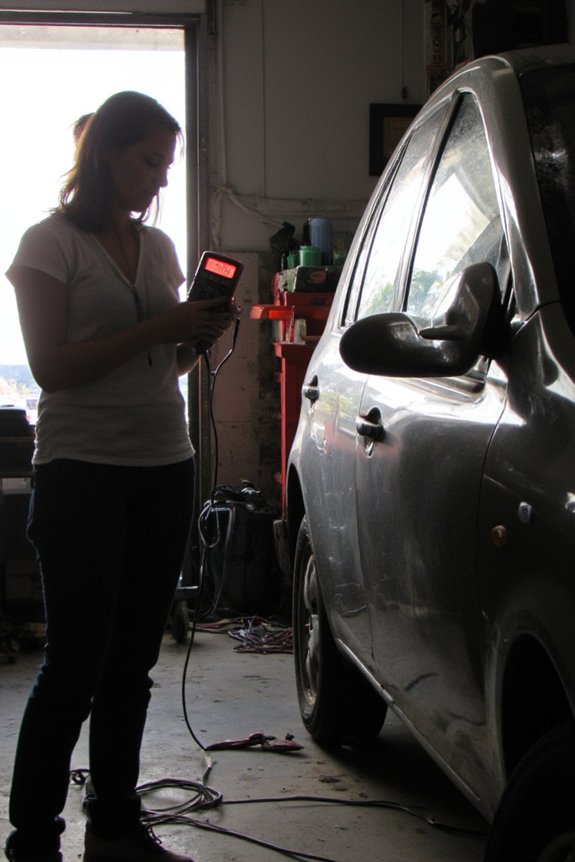
If you allow a car battery to remain overcharged or undercharged, you’ll considerably reduce its efficiency and lifespan. Overcharging generates excessive heat and causes electrolyte evaporation, damaging internal components and decreasing battery capacity. This often results from defective alternator regulators pushing voltage beyond the safe 14.5-volt limit. Conversely, undercharging fails to provide sufficient voltage, leading to poor starting power and performance issues despite the battery appearing functional. Chronic undercharging promotes sulfation, where lead sulfate crystals accumulate on plates, further limiting charge retention. Maintaining your battery within its ideal charge range is essential; deviations from this range—whether through overcharging or undercharging—compromise reliability and longevity. To liberate yourself from repeated battery failures, verify your vehicle’s charging system operates correctly and monitor battery voltage to prevent these damaging conditions. Using accurate battery testing tools can help you detect problems early, ensuring your battery stays within the optimal voltage range and extending its service life.
Battery Age and Lifespan Considerations
Beyond maintaining proper charge levels, the age of your car battery plays a significant role in its performance and reliability. The average lifespan of a car battery is three to five years, after which its ability to hold a charge diminishes. If your car battery keeps dying prematurely, consider battery age as a critical factor. Environmental extremes and manufacturer defects also accelerate decline. Regular testing after four years helps detect weakening capacity. To liberate yourself from unexpected failures, track and replace batteries over five years old. Visualize this aging impact:
- Reduced cranking power on cold mornings
- Diminished charge retention capacity
- Increased susceptibility to voltage drops
- Corrosion starting around terminals
- Warning lights flickering intermittently
To accurately monitor your battery’s health as it ages, you can use a car battery tester like the MOTOPOWER MP0515A for convenient and reliable results. Understanding battery age guarantees you maintain dependable power and avoid frustrating dead starts.
Loose or Damaged Battery Cables
Although your battery may be in good condition, loose or damaged cables can disrupt the electrical flow needed to start your car and power its systems. Battery cables subjected to vibration and movement often loosen, causing intermittent power loss or flickering lights that mimic battery or alternator faults. Corrosion, typically from hydrogen gas released during charging, further impedes electrical contact on terminals. This corrosion degrades connectivity between cables and the battery, reducing efficiency and risking failure. To maintain reliable power delivery, regularly inspect, tighten, and clean all battery cable connections. Addressing corrosion promptly restores ideal electrical contact and prevents unnecessary power loss. By actively managing your battery cables, you liberate yourself from unpredictable starting issues and extend your battery’s functional lifespan.
 Why Replace Your Car Battery Yourself?
Frequent Short Trips and Inactivity
Since frequent short trips don't allow your alternator enough time to fully recharge the battery, the cumulative effect leads to a consistently low state of charge. This low charge, combined with inactivity, accelerates sulfation—lead sulfate crystals build up on the battery plates, impairing battery performance and shortening lifespan. Without adequate charging, your battery struggles to maintain capacity and reliability.
To visualize the impact of frequent short trips and inactivity, consider:
- Rapid battery drain during repeated short drives
- Insufficient alternator runtime to restore charge
- Lead sulfate crystal formation on battery plates
- Battery voltage dropping below ideal thresholds
- Increased risk of battery failure after extended inactivity
Understanding these dynamics helps you liberate your vehicle from persistent battery issues by adjusting your driving habits.
Signs Indicating the Need for Battery Replacement
How can you tell when your car battery needs replacing? If you experience difficulty starting your vehicle, especially in cold weather, your battery may be dying and require replacement. Frequent jump-starts—more than once a month—indicate the battery’s capacity is diminishing. Inspect for visible corrosion around terminals; this deterioration signals an urgent need for replacement to prevent electrical failures. Dim headlights or flickering components while the engine runs also point to a battery failing to hold charge effectively. Additionally, if your battery is older than three to five years, test its health regularly, since aging batteries are prone to unexpected failure. Recognizing these signs empowers you to act decisively, ensuring your vehicle’s reliability and avoiding being stranded due to a dying battery.
Frequently Asked Questions
What Is Draining My Car Battery When It's Off?
You’re facing parasitic draw caused by electrical issues like lights or accessories left on. Also, battery age weakens charge retention, intensifying drain. Check connections and devices to regain control and prevent unexpected power loss.
Why Is My Car Battery Dying Repeatedly?
Like Sisyphus pushing his boulder, you face battery lifespan factors, environmental impact, and charging system issues. To liberate yourself, diagnose parasitic drains, test alternator health, and shield your battery from extreme temperatures diligently.
What Are the Three Main Causes of Battery Failure?
You’ll find the three main causes of battery failure are battery lifespan factors, extreme weather effects that accelerate degradation, and charging system issues like a faulty alternator reducing voltage output, all essential to monitor for reliable performance.
Why Do I Have to Replace My Car Battery so Often?
Ever wonder why your battery lifespan factors force frequent replacement signs? You’re likely battling heat, short trips, or parasitic drains. Follow maintenance tips like regular charging checks to liberate yourself from constant battery woes and costly replacements.
Final Thoughts
If your car battery keeps failing, understanding key factors like parasitic drain, faulty alternators, and corrosion is essential. Did you know that nearly 30% of battery failures are due to poor charging systems? Regularly inspecting connections and avoiding frequent short trips can extend your battery’s life. Remember, addressing these issues promptly helps maintain reliable performance and prevents unexpected breakdowns, ensuring your vehicle stays ready whenever you need it.
 Signs Your Car Battery Needs Replacement
Reliable Floor Jacks on a Budget: Best Picks for Under $150
Top-Rated Floor Jacks Over $100: Built for Professionals, Priced for Smart Buyers
If you want to know other articles similar to Why Does My Car Battery Keep Failing? you can visit the Battery Care and Services category.
10 Best Car Battery Checks for Winter Maintenance

How Much Does Car Battery Inspection Cost?

7 Best DIY Methods for Car Battery Terminal Cleaning

When to Replace Your Car Battery: 5 Key Tips

Why Choose Nearby Shops for Car Battery Replacement?

Why Does My Car Battery Need Regular Replacement?

Signs Your Car Battery Needs Replacement

Why Replace Your Car Battery Yourself?
Leave a Reply
This is also interesting