













5 Best Ways Wheel Alignment Differs From Balancing


Wheel alignment adjusts your tire angles—camber, caster, and toe—to guarantee proper road contact and prevent pulling, using precise machines and suspension tweaks.
Balancing corrects uneven weight in your tire-wheel assembly to eliminate steering vibrations, applying small weights for smooth rotation.
Signs of misalignment include pulling and uneven wear; vibrations suggest balancing issues.
Alignment is needed about every 6,000 miles, balancing slightly more often.
Keeping these distinct services in check preserves handling, safety, and tire life.
 How Proper Wheel Alignment Boosts Fuel Efficiency
Explore the details to understand their unique roles better.
Table
Main Points
- Wheel alignment adjusts tire angles, while balancing corrects uneven weight distribution within the tire and wheel assembly.
- Alignment focuses on camber, caster, and toe angles; balancing targets weight imbalances causing vibrations.
- Alignment improves handling and prevents pulling; balancing eliminates steering wheel vibrations.
- Alignment requires suspension adjustments and lifting the vehicle; balancing uses a machine to place small counterweights.
- Alignment is recommended every 6,000 miles; balancing is needed every 5,000 to 6,000 miles or after tire rotations.
Fundamental Purpose and Function

Wheel alignment and tire balancing serve distinct but complementary roles in vehicle maintenance. Wheel alignment adjusts the angles of the tires to optimize road contact, which enhances vehicle handling and helps prevent pulling to one side. This precision guarantees your tires wear evenly and your steering remains responsive. Tire balancing, on the other hand, corrects weight distribution within the tire and wheel assembly, eliminating vibrations in the steering and promoting a smooth ride. You’ll need regular alignment checks every 6,000 miles or twice a year to maintain proper tire angles, especially after impacts like potholes. Balancing services, typically every 5,000 to 6,000 miles or during tire rotations, address weight imbalances that can cause discomfort and premature tire wear. Both are essential for freeing your vehicle’s performance and safety.
Signs Indicating the Need for Service

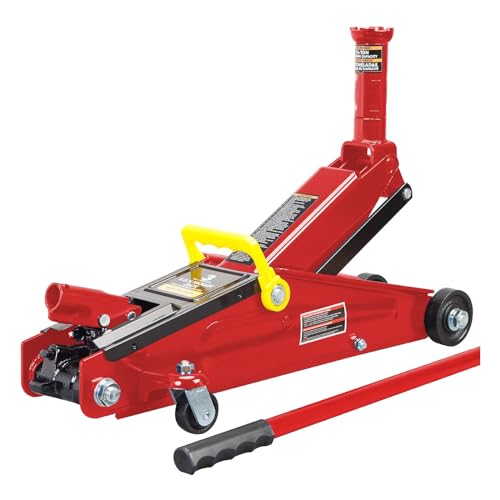
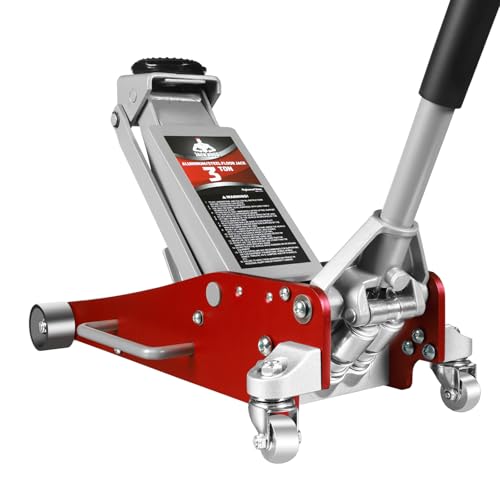
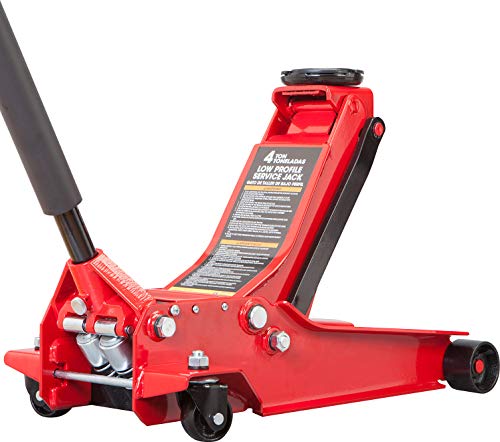
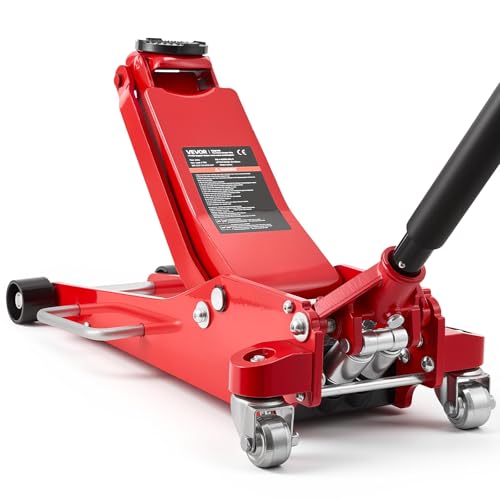
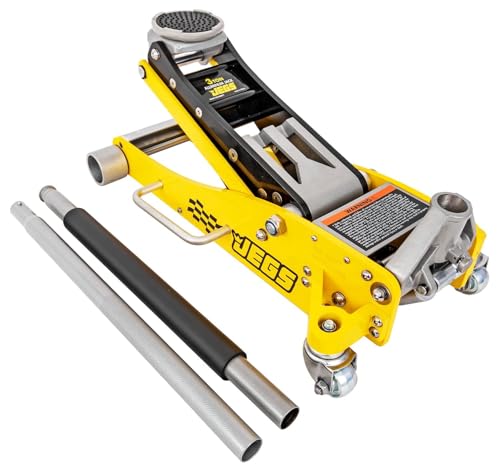
If you notice vibrations in the steering wheel or seats at higher speeds, it often signals a need for tire balancing due to uneven weight distribution. These steering wheel vibrations are primary signs indicating the need for service through a tire balancing service, which addresses weight imbalances that cause discomfort and uneven tire wear. Conversely, if your vehicle pulls to one side or the steering wheel is off-center, you should have the wheel alignment service checked promptly. Misalignment can cause premature tire wear and affect handling safety. To prevent premature tire wear and maintain peak performance, schedule regular wheel alignments every 6,000 miles and balancing every 5,000 to 6,000 miles. Recognizing these signs early guarantees your vehicle’s tires wear evenly and your driving experience remains liberated and precise. Investing in quality floor jacks ensures vehicle safety during maintenance, providing stable lifting support while performing alignment or balancing tasks.
Technical Process and Equipment Used

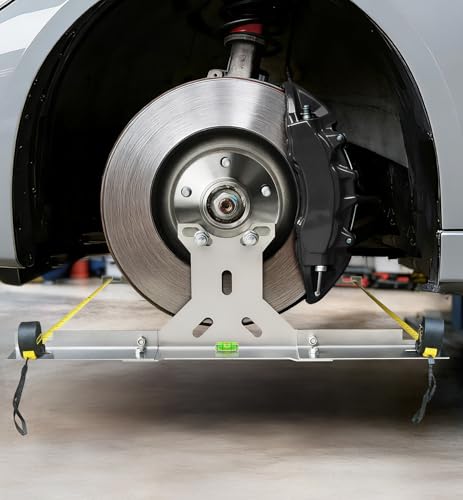
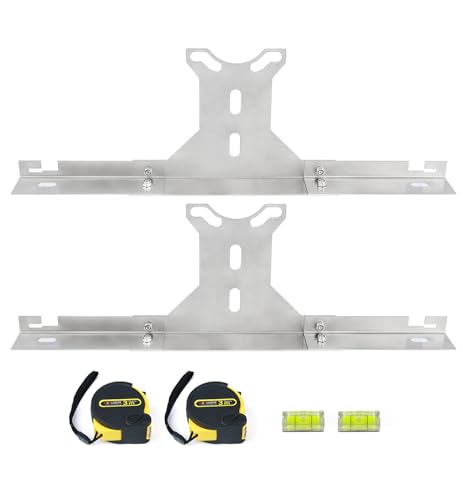
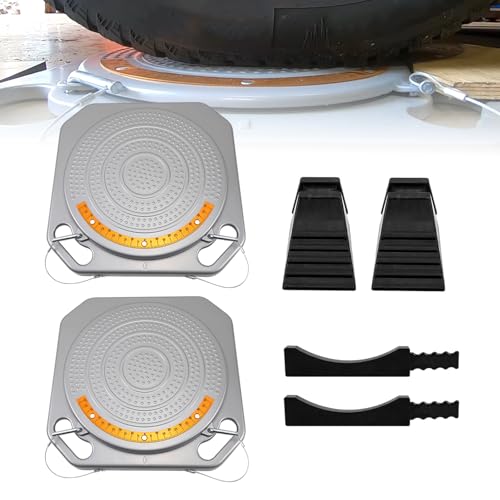
Although both services aim to enhance tire performance, they rely on distinct technical processes and specialized equipment. Wheel alignment uses specialized alignment machines to measure and adjust wheel angles—camber, caster, and toe angles—ensuring they meet manufacturer specifications. This process often requires lifting the vehicle and adjusting suspension components with tools like turntables and alignment gauges. In contrast, tire balancing employs a balancing machine that spins the tire and wheel assembly to detect uneven weight distribution. Small weights are then applied to counteract imbalances, ensuring smooth rotation. Unlike alignment, tire balancing typically doesn’t require raising the vehicle or suspension adjustments. Understanding these technical distinctions empowers you to maintain peak tire function and extend your vehicle’s performance and lifespan.
Impact on Vehicle Performance and Safety

Understanding how alignment and balancing affect your vehicle's performance and safety helps you prioritize maintenance effectively. Proper wheel alignment guarantees your wheels angle correctly, enhancing handling, stability, and fuel efficiency while preventing alignment issues that cause uneven tire wear and safety risks like pulling. Conversely, tire balancing eliminates vibrations that degrade ride comfort and strain suspension components. Ignoring wheel alignment leads to rapid uneven tire wear and compromised handling, directly impacting safety. Neglecting balancing tires results in persistent vibrations, causing driver fatigue and accelerating suspension wear. By maintaining accurate wheel alignment and tire balancing, you secure the best vehicle performance, reduce safety hazards, and extend tire life. This dual focus liberates you from costly repairs and unsafe driving conditions, empowering you to keep control and guarantee a smooth, efficient ride.
Recommended Maintenance Frequency

To maintain ideal vehicle handling and tire longevity, you should perform wheel alignment every 6,000 miles or twice annually. This recommended maintenance guarantees your tire angles remain precise, preserving optimal vehicle handling and preventing uneven tire wear. Tire balancing, on the other hand, requires attention every 5,000 to 6,000 miles or after tire rotations and flat repairs to eliminate vibrations and further uneven wear. Adhering to these maintenance frequencies is critical for sustaining vehicle performance and safety. Regular checks for both wheel alignment and tire balancing serve as essential preventive maintenance, allowing you to detect issues early and avoid costly repairs. By respecting these intervals, you liberate yourself from premature tire degradation and compromised handling, keeping your vehicle responsive and safe on the road.
 7 Tips to Reduce Wheel Alignment Costs
Frequently Asked Questions
Do I Need Wheel Alignment or Wheel Balancing?
If you notice uneven tread or steering issues, you need wheel alignment to improve handling performance and vehicle stability. Vibrations suggest balancing techniques are necessary. Regular maintenance schedules protect suspension health and extend tire lifespan from wheel wear.
Which of the 2 Types of Wheel Alignment Is Better?
You’ll find four-wheel alignment offers greater benefits of alignment by correcting all wheels, improving tire life and handling. Use professional alignment tools regularly—typically every 6,000 miles—to combat misalignment signs, despite common alignment myths.
Can I Do Balancing Without Alignment?
Sure, you can skip wheel alignment and just balance, but ignoring alignment tools risks uneven tire wear, compromised steering stability, and reduced driving comfort. Balancing techniques alone won’t optimize suspension system or vehicle performance, so follow your maintenance schedule wisely.
Do New Tires Need to Be Balanced and Aligned?
You need to balance and align new tires to prevent uneven wear, vibration issues, and compromised ride comfort. Balancing guarantees weight distribution; alignment maintains steering response and safety, boosting tire performance and extending lifespan with proper maintenance.
Final Thoughts
Think of wheel alignment and balancing as the twin pillars holding your vehicle’s stability and smoothness. While alignment adjusts your wheels’ angles like a skilled architect ensuring a building stands straight, balancing fine-tunes the rotation to eliminate vibrations, much like a maestro perfecting an orchestra’s harmony. Understanding their distinct roles helps you maintain peak performance and safety, keeping your ride precise and steady on every journey. Don’t overlook these essential services—they’re the foundation of your vehicle’s health.
 Why Wheel Alignment Matters After Hitting a Pothole
Reliable Floor Jacks on a Budget: Best Picks for Under $150
Top-Rated Floor Jacks Over $100: Built for Professionals, Priced for Smart Buyers
If you want to know other articles similar to 5 Best Ways Wheel Alignment Differs From Balancing you can visit the Wheel Alignment Balancing category.
How to Tell If Your Car Needs Wheel Balancing

Top Advantages of Regular Wheel Balancing

Why Wheel Alignment Matters After Hitting a Pothole

7 Tips to Reduce Wheel Alignment Costs

How Proper Wheel Alignment Boosts Fuel Efficiency

Why Does Wheel Alignment Affect Uneven Tire Wear?

How Frequently Should You Schedule Wheel Alignment?

5 Best Wheel Alignment Services Near You
Leave a Reply
This is also interesting