
















How to Check Your Car’s Transmission Fluid


To check your car’s transmission fluid, first gather a clean rag, funnel, and gloves. Then warm up the engine on a flat surface with the parking brake engaged.
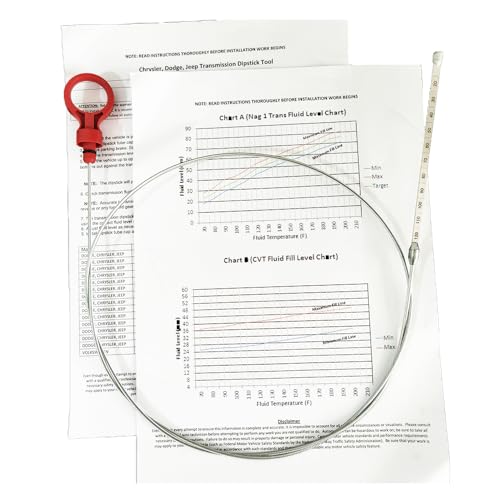
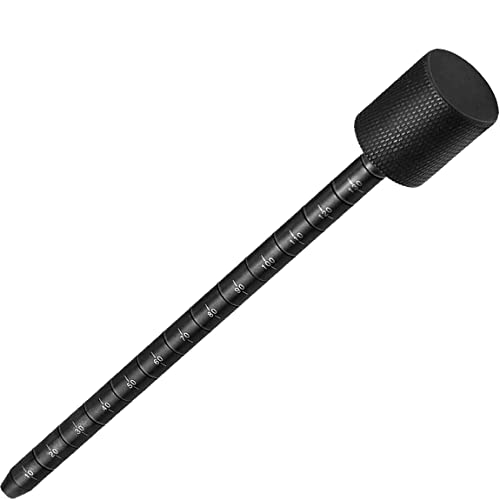
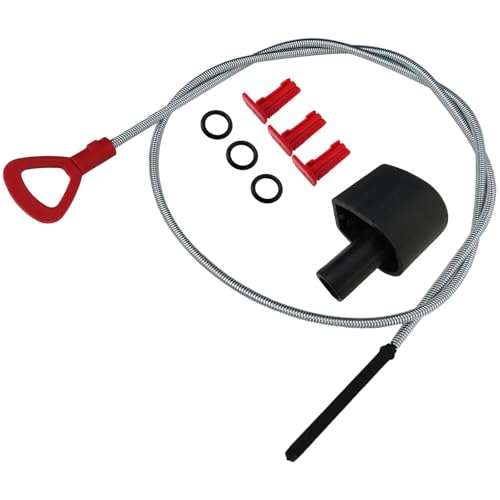
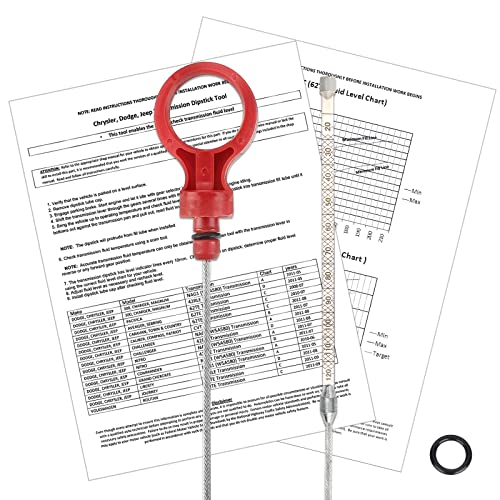
Locate the transmission dipstick—usually near the back of the engine bay—and pull it out with the engine running. Wipe it clean, reinsert, and remove it again to check fluid level between “Full” and “Add” marks.
Assess fluid color and smell for signs of wear or contamination. Learn how proper maintenance keeps your transmission functioning efficiently.
Table
- Main Points
- Gather the Tools Needed for Checking Transmission Fluid
- Preparing Your Vehicle for an Accurate Fluid Check
- Finding and Identifying the Transmission Dipstick
- Step-by-Step Procedure to Check Transmission Fluid Level
- How to Evaluate the Condition of Transmission Fluid
- Adding Transmission Fluid Safely and Correctly
- Understanding Transmission Fluid Types and Compatibility
- Signs Your Transmission Fluid Needs Changing
- Recommended Frequency for Transmission Fluid Checks and Changes
- When to Seek Professional Transmission Fluid Service
- Frequently Asked Questions
- Final Thoughts
Main Points
- Park your car on a level surface, start the engine, and shift through all gears before returning to “Park.”
- Locate the transmission dipstick in the engine bay, usually marked with a bright handle or check your manual.
- Pull out the dipstick, wipe it clean, reinsert fully, then remove again to check the fluid level between “Full” and “Add.”
- Assess fluid color and smell; healthy fluid is bright red or pink, while dark or burnt fluid indicates a problem.
- Add transmission fluid gradually using a funnel if low, and consult a professional if fluid is dark, smells burnt, or shifts are delayed.
Gather the Tools Needed for Checking Transmission Fluid

Before you check your car's transmission fluid, gather four essential tools: a clean, lint-free rag, a funnel, safety gloves, and your owner's manual. These tools guarantee you perform the task accurately and safely. The rag wipes the dipstick clean for precise fluid level readings, while the funnel aids in adding fluid without spills. Safety gloves protect your hands from hot fluid and contaminants. Most importantly, consult your owner’s manual, which specifies the correct transmission fluid type and outlines the proper checking procedure tailored to your vehicle. By taking time to gather these tools and resources, you equip yourself with the necessary precision and knowledge, empowering you to maintain your vehicle’s transmission system confidently and independently.
Preparing Your Vehicle for an Accurate Fluid Check

When you prepare your vehicle for a transmission fluid check, make certain it’s parked on a flat surface and the parking brake is engaged to guarantee safety and accuracy. Start the engine and allow it to reach operating temperature, as automatic transmission fluid expands when warm, affecting the fluid level reading. Next, shift through all gears briefly, pausing a few seconds in each, then return to “Park.” This circulates fluid throughout the system, enabling a more precise measurement. Before you proceed, consult your owner’s manual for vehicle-specific instructions, as some models require different procedures. Following these steps guarantees you check the automatic transmission fluid level under ideal conditions, providing reliable data to maintain your transmission’s health and performance.
Finding and Identifying the Transmission Dipstick

Locating the transmission dipstick is essential for accurately checking your vehicle's transmission fluid level. Typically, you’ll find it near the back of the engine bay, often labeled or distinguished by a bright red or yellow handle. This visual cue helps you quickly identify it among other components during your auto repair tasks. Keep in mind, some newer models lack a dipstick, featuring sealed transmission systems that require professional service. To guarantee precision when you check your transmission fluid, always refer to your owner's manual for the exact dipstick location and guidance. Remember, the engine should be running and the vehicle in Park or Neutral during this process. Mastering this step empowers you toward autonomous vehicle maintenance and reliable performance.
Step-by-Step Procedure to Check Transmission Fluid Level

To accurately check your transmission fluid level, start by parking your vehicle on a flat surface with the engine running and the gearshift set to Park or Neutral. Locate the transmission dipstick under the hood, pull it out slowly, and wipe it clean with a rag. Fully reinsert the dipstick, then remove it again to observe the fluid level. The fluid should be between the “Full” and “Add” markings. If it’s low, use a funnel to add the correct transmission fluid gradually, referring to your owner’s manual to verify the right type. Avoid overfilling by checking the level frequently during this process. This precise approach empowers you to maintain peak transmission performance and avoid costly repairs.
 How to Check Civic Transmission Fluid: 3 Steps
How to Evaluate the Condition of Transmission Fluid

Evaluating the condition of your transmission fluid is essential for diagnosing the health of your vehicle’s transmission system. To assess it accurately, focus on fluid color, smell, and presence of contaminants. Regular checks align with the maintenance schedule importance and help detect early transmission issues. Different transmission fluid types may exhibit varying hues, but contamination causes such as overheating or debris result in dark, burnt-smelling fluid with particles. Use the table below to guide your evaluation:
| Fluid Color | Smell | Indication |
|---|---|---|
| Bright red/pink | Neutral | Healthy, clean fluid |
| Brownish | Slight burn | Aged fluid, needs attention |
| Dark brown/black | Burnt | Contaminated, replace soon |
| Cloudy/sludgy | Foul | Severe contamination |
| Clear | None | Unusual, check fluid type |
Adding Transmission Fluid Safely and Correctly
When adding transmission fluid, you’ll want to use a funnel to avoid spills and guarantee the fluid flows smoothly through the dipstick tube. Begin by verifying the correct transmission fluid type in your owner’s manual to confirm compatibility. Position your vehicle on a level surface and warm up the engine for an accurate fluid level reading. Pour the fluid gradually using safe pouring techniques, frequently checking the dipstick to monitor fluid level maintenance. Avoid overfilling, as excess fluid can damage the transmission. After reaching the proper level between the “add” and “full” marks, securely reseal the dipstick to prevent contamination. Following these precise steps guarantees you maintain maximum transmission performance and extend its lifespan without risking leaks or fluid degradation.
Understanding Transmission Fluid Types and Compatibility
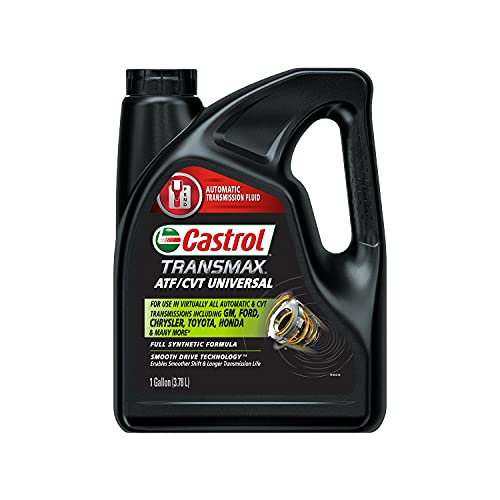
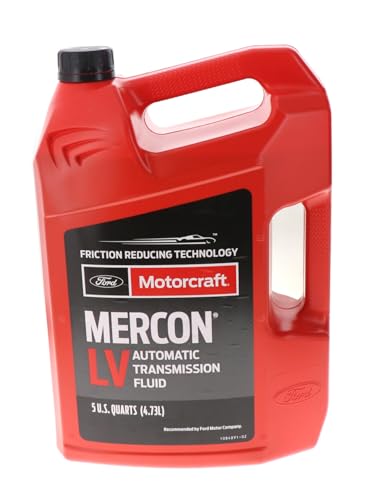
Although transmission fluids may appear similar, each type serves a distinct purpose tailored to specific transmission designs. Transmission fluid types include Automatic Transmission Fluid (ATF), continuously variable transmission (CVT) fluid, and dual-clutch transmission (DCT) fluid, all engineered for their respective systems. You must consult your owner's manual to select the correct fluid, as fluid compatibility issues can cause severe transmission damage. ATF variants such as Dexron and Mercon cater to different automatic transmissions, while synthetic fluids offer superior temperature stability and longevity, enhancing performance and durability. Avoid mixing incompatible fluids or brands, since this can degrade fluid properties and impair transmission function. Understanding the precise specifications and compatibility requirements liberates you to maintain your transmission with confidence and technical accuracy.
Signs Your Transmission Fluid Needs Changing
You’ll want to inspect your transmission fluid regularly for color changes—dark brown or black fluid signals contamination and the need for replacement. Pay attention to how your transmission performs; difficulty shifting gears or unusual noises often indicate degraded fluid. Monitoring both fluid condition and transmission response helps you identify when it’s time for a fluid change.
Fluid Color Changes
Since transmission fluid plays a vital role in lubrication and cooling, monitoring its color provides essential insight into its condition. Healthy fluid typically appears bright red or pink, signaling ideal viscosity and effective heat dissipation. Fluid temperature effects can cause the fluid to darken, turning brown or black, which indicates overheating or contamination—common transmission issues that demand prompt fluid replacement. A burnt smell or visible debris further confirms degradation and internal wear, compromising transmission efficiency. Incorporating transmission maintenance tips, such as regular fluid inspections, helps you detect these color changes early. By proactively evaluating your fluid’s color, you protect your vehicle’s transmission from damage, ensuring longevity and reliable performance. This simple check is essential for maintaining your vehicle’s mechanical freedom and ideal function.
Transmission Performance Issues
Monitoring your transmission fluid’s color helps detect early signs of fluid degradation, but performance issues often provide more direct evidence that a fluid change is necessary. If you experience delayed engagement when shifting from park to drive or reverse, or hear grinding and whining noises, your fluid may be low or contaminated. A burning smell or dark, burnt fluid signals overheating or internal damage, requiring immediate attention. Slipping gears or difficulty maintaining speed typically indicate deteriorated fluid affecting hydraulic pressure. Leaks under your vehicle can cause fluid loss, worsening these symptoms. Incorporating transmission fluid additives can improve performance temporarily, but following transmission maintenance tips like timely fluid changes is essential. Recognizing these common transmission issues helps you maintain control and avoid costly repairs, empowering you to keep your vehicle’s transmission functioning effectively.
Recommended Frequency for Transmission Fluid Checks and Changes
Checking your transmission fluid at every oil change guarantees consistent monitoring of your vehicle’s performance and helps prevent costly transmission issues. Transmission fluid lifespan varies, typically requiring changes between 30,000 and 100,000 miles, depending on your car’s make and model. Adhering to manufacturer-recommended fluid change intervals is essential to maintain peak transmission function and avoid premature wear. Follow transmission maintenance tips from your owner’s manual to confirm you use the correct fluid type and schedule. Regular checks enable you to detect contamination or degradation early, preserving transmission integrity and extending its service life. By maintaining a disciplined routine of fluid inspections and timely replacements, you liberate yourself from unexpected breakdowns and costly repairs, ensuring your vehicle operates with precision and reliability.
When to Seek Professional Transmission Fluid Service
If your transmission fluid appears dark or smells burnt, or if you notice unusual noises and delayed gear shifts, you should seek professional service immediately. Low fluid levels or vehicles without a dipstick require expert inspection to prevent further damage. Relying on trained technicians guarantees accurate fluid assessment and timely maintenance for peak transmission performance.
 Why Is Your Car Shifting Roughly Lately?
Signs of Fluid Problems
When your transmission fluid turns dark brown or black, or emits a burnt odor, you should have it inspected by a professional immediately. These transmission health indicators signal contamination or overheating, risking internal damage. Additionally, if you notice particles or debris in the fluid, it indicates wear that demands prompt attention. Unusual noises or delayed gear engagement also suggest fluid level issues or mechanical faults. Avoid common fluid myths that downplay these signs—early detection is key. Incorporate fluid maintenance tips like regular checks to prevent costly repairs and maintain peak transmission function. Recognizing these symptoms empowers you to act decisively, ensuring your vehicle’s transmission remains reliable and efficient, freeing you from unexpected breakdowns and extended downtime.
Benefits of Professional Service
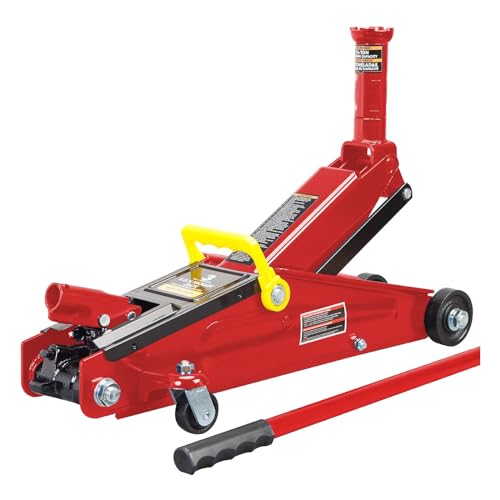
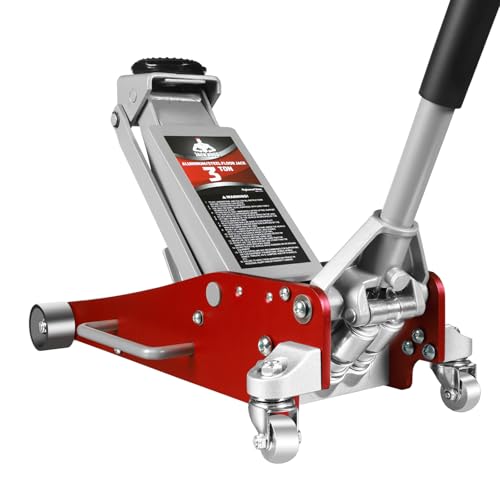
Although some vehicle owners prefer to check their transmission fluid themselves, seeking professional transmission fluid service offers critical advantages. Transmission fluid maintenance by trained technicians guarantees you get the correct fluid type, preventing costly transmission failures. Professionals efficiently locate dipsticks, especially in modern vehicles where access is challenging or dipsticks are absent. They also provide tailored recommendations based on your driving habits, optimizing performance. Importantly, used transmission fluid is hazardous waste; professional services manage its disposal safely, protecting you and the environment. Regular inspections by experts detect early transmission issues, enabling timely repairs that save money and extend your vehicle’s life. Leveraging professional technician benefits means you’re investing in precision, safety, and long-term reliability for your vehicle’s transmission system. For safe and effective vehicle maintenance, using quality floor jacks ensures your car is securely lifted before any undercarriage work, further enhancing safety during professional service.
Frequently Asked Questions
Do You Check Transmission Fluid With the Engine Running?
You should check transmission fluid with the engine running for accurate transmission maintenance tips. Monitor fluid color significance to detect issues, and follow checking frequency recommendations to guarantee peak performance and prevent costly repairs.
How Do I Know if My Car Is Low on Transmission Fluid?
If your car’s transmission fluid whispers warning signs—slipping gears, grinding noises, or dark, burnt-smelling fluid—trust those transmission fluid symptoms. Follow a precise checking procedure and adopt maintenance tips to liberate your vehicle’s shifting performance.
How Do I Check the Transmission Fluid on a Car?
You’ll check transmission fluid by warming the engine, locating the dipstick, and noting fluid color and level. Use correct transmission fluid types, check frequently, and watch common symptoms like slipping to maintain peak performance.
Do You Leave the Car Running When Adding Transmission Fluid?
You wouldn’t want to guess transmission fluid levels cold, right? Keep your engine running to reach proper engine temperature. This lets the fluid dipstick show accurate levels, freeing you from miscalculations and ensuring precision every time.
Final Thoughts
Now that you’ve mastered the art of checking your transmission fluid—because who doesn’t want to be their own mechanic superhero?—you can avoid the dreaded “transmission meltdown” surprise. Remember, clean and correctly leveled fluid keeps your car shifting smoothly, unlike your last online dating experience. Stay vigilant, check regularly, and don’t hesitate to call in the pros if things look fishy. Your transmission will thank you with many happy miles ahead.
 10 Best Ways to Check Transmission Fluid Without Dipstick
Reliable Floor Jacks on a Budget: Best Picks for Under $150
Top-Rated Floor Jacks Over $100: Built for Professionals, Priced for Smart Buyers
If you want to know other articles similar to How to Check Your Car’s Transmission Fluid you can visit the Transmission Fluid Care category.
5 Best Ways to Check Transmission Fluid Level

Why Should You Replace SUV Transmission Fluid?

10 Best Ways to Check Transmission Fluid Without Dipstick

Why Is Your Car Shifting Roughly Lately?

How to Check Civic Transmission Fluid: 3 Steps

How Much Does a Professional Transmission Fluid Check Cost?

What Frequency Should You Check Transmission Fluid?

Common Indicators of Low Transmission Fluid
Leave a Reply
This is also interesting