
















How to Identify Car Battery Drain Sources


You can identify car battery drain by first ensuring your vehicle’s electronics are off and the battery is fully charged.
Use a digital multimeter set to amps, disconnect the negative battery cable, and connect the meter in series to measure current draw.
Normal draw is 20–50 milliamps; anything higher means a drain.
Then, remove fuses one by one, noting when the draw drops considerably to pinpoint the problematic circuit.
This methodical approach helps isolate faulty components causing the drain.
Further detailed steps can clarify precise diagnosis and repairs.
Table
- Main Points
- Understanding Parasitic Battery Drain
- Common Electrical Components Causing Battery Drain
- Preparing Your Vehicle and Tools for Testing
- Setting Up and Using a Digital Multimeter
- Measuring Current Draw to Detect Battery Drain
- Isolating Problem Circuits by Testing Fuses
- Diagnosing and Repairing Faulty Components
- Preventative Measures to Avoid Future Battery Drain
- Frequently Asked Questions
- Final Thoughts
Main Points
- Use a digital multimeter set to amps to measure current draw between the negative battery cable and terminal.
- Confirm the vehicle is off, all electronics are off, and doors are closed before testing for accurate parasitic drain measurement.
- Normal parasitic current draw ranges from 20 to 50 milliamps; readings above this indicate a potential drain source.
- Remove fuses one at a time while monitoring current to isolate the circuit causing excessive battery drain.
- Inspect common drain sources like interior lights, aftermarket accessories, and faulty switches in electrical components.
Understanding Parasitic Battery Drain

Although your vehicle is turned off, certain electronic components continue to draw power, a phenomenon known as parasitic battery drain. This current draw, typically between 20 and 50 milliamps during normal operation, sustains systems like interior lights and computer modules. To diagnose abnormal power draw, you’ll use a digital multimeter to measure the current flowing from the battery. Values exceeding the expected range suggest an issue requiring deeper analysis. Identifying sources involves systematically removing fuses within the fuse box while monitoring changes in current draw. By methodically isolating each circuit, you can pinpoint which electrical components are responsible for excessive drain. Understanding this process empowers you to liberate your vehicle from unintended battery depletion efficiently and precisely.
Common Electrical Components Causing Battery Drain

Once you identify an abnormal current draw using your multimeter, the next step is to examine specific electrical components known to cause battery drain. Start by inspecting interior, dome, trunk, glove box, and under-hood lights, as faulty switches or misalignment can cause parasitic draw by keeping these lights on. Next, assess aftermarket accessories like dash cams or LED light bars; improper wiring may allow current flow even when the vehicle is off. Check for voltage drops across fuses and wiring harnesses to detect shorts or poor installations that contribute to battery drain. Finally, consider the battery’s condition—aging batteries hold less charge, exacerbating drainage symptoms such as slow cranking or dim lights. Methodically isolating these components guarantees precise identification of your vehicle’s parasitic draw source.
 Car Wiring Harness Repair Costs: Top 10 Factors
Preparing Your Vehicle and Tools for Testing

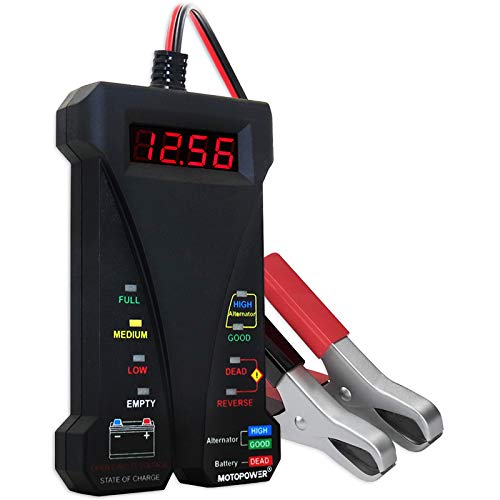
First, make certain your vehicle is completely off, with all electronics disengaged and doors closed to allow the systems to enter sleep mode, which can take up to several hours. Next, fully charge the battery to 12.6 volts to guarantee accurate test results. Finally, set your digital multimeter to the amps setting, disconnect the negative battery cable with a 10-mm wrench, and connect the meter leads in series to measure parasitic current draw precisely. For those seeking a reliable tool for these diagnostics, consider reviewing the MOTOPOWER MP0514A Battery Tester as an essential option for accurate battery assessments.
Vehicle Shutdown Procedures
Before testing for parasitic battery drain, you must confirm all electrical components—such as the radio, A/C, and lights—are turned off and that every door and compartment is securely closed to prevent false readings. Verify the battery is fully charged, ideally above 12.6 volts, to avoid misdiagnosing weak battery performance as drain. After shutting down the engine, allow the vehicle’s electrical system to enter sleep mode; this may take 30 minutes or more. Only then can you accurately measure parasitic draw. Prior to disconnecting the battery, set up your digital multimeter correctly and observe safety precautions—wear gloves and eyewear to protect yourself. Proper shutdown procedures minimize interference from vehicle lighting or other systems, confirming precise current readings during drain testing.
Multimeter Setup Steps
After confirming the vehicle’s electrical system has entered sleep mode and all components are off, prepare your tools for measuring parasitic draw. First, fully charge the battery to at least 12.6 volts to guarantee accurate readings. Using a 10-mm wrench, carefully disconnect the negative battery terminal to prevent accidental shorts. Set your multimeter to measure amps by inserting the black lead into the common ground port and the red lead into the highest amp input, typically 20A. Next, connect the multimeter leads between the disconnected negative battery terminal and the negative cable. This setup allows you to monitor current flow precisely. Double-check all electrical components remain off and doors closed to avoid false readings. With this methodical approach, you’ll accurately identify parasitic draw sources and reclaim control over your vehicle’s battery life.
Setting Up and Using a Digital Multimeter

To measure current draw accurately, start by disconnecting the negative battery cable and connecting your multimeter leads correctly—black to common ground and red to the highest amp input, usually 20A. Set the multimeter to the proper measurement mode before connecting it in series with the circuit to prevent damage and guarantee precise readings. Always follow safety protocols, including allowing onboard electronics to enter sleep mode and verifying connections before testing.
Multimeter Connection Steps
Setting up your digital multimeter correctly is essential for accurately measuring current draw without damaging the device. First, turn off the multimeter. Connect the black lead to the common ground input and the red lead to the highest amp input, typically 20A. Next, securely disconnect the negative battery cable from the vehicle battery using a 10-mm wrench—this prevents shorts. To measure parasitic drain, create a series connection by attaching one multimeter lead to the negative battery terminal and the other to the disconnected negative cable. This setup allows the multimeter to measure current draw flowing through the circuit. After recording your readings, disconnect the multimeter and firmly reconnect the negative battery cable to restore normal operation. Following these steps mirrors an automotive technician’s method for diagnosing battery drain efficiently.
Selecting Proper Measurement Mode
Choosing the correct measurement mode on your digital multimeter is critical for obtaining accurate current readings and protecting the device from damage. To measure current, begin by setting the multimeter to the 10A range, which handles higher loads safely. After connecting it in series with the battery’s negative terminal—ensuring the ignition and all electronic accessories are off—switch to the milliamp range for detecting subtle parasitic drain. For voltage checks, select the DC voltage mode and place the probes properly to verify battery voltage without risking incorrect readings. Pay close attention to your multimeter’s fuses, especially those protecting current measurement circuits, to avoid costly damage. Mastering these settings empowers you to diagnose battery drain sources accurately and confidently, liberating you from guesswork.
Safety Precautions During Testing
While preparing to test your car battery for drain, you must prioritize safety by wearing safety goggles and gloves to guard against sparks or acid exposure. First, verify the ignition is off and all electrical accessories are disconnected to prevent inaccurate current draw readings or damage to your digital multimeter. Set your multimeter to the proper amp range, usually 20A, before connecting it. Carefully remove the negative battery cable, then connect the multimeter probes in series between the cable and battery terminal to measure parasitic drain accurately. After setup, allow the vehicle’s electronics to enter sleep mode, which can take from 30 minutes to several hours, to avoid skewed results caused by active electrical systems. Following these steps guarantees safe, precise testing.
Measuring Current Draw to Detect Battery Drain

Several key steps guarantee you accurately measure current draw to detect battery drain. Start by turning off all electrical components and letting the car enter sleep mode to avoid false readings. Then, disconnect the battery’s negative cable and set your digital multimeter to the correct amp range. Connect it in series between the cable and terminal to measure parasitic drain. A normal parasitic current draw ranges from 20-50 milliamps; values above suggest a drain issue. To pinpoint the source without redundant testing, methodically pull fuses one by one and observe changes in current draw. Additionally, measuring voltage drop across fuses helps identify circuits with excessive current flow. Mastering these techniques empowers you to perform precise automotive repair and liberate your car battery from hidden drains.
Isolating Problem Circuits by Testing Fuses
After confirming that your battery’s parasitic draw exceeds normal levels, you’ll isolate problem circuits by testing fuses systematically. Begin by disconnecting the negative battery cable and connecting your digital multimeter in series to monitor current flow accurately. Remove fuses one at a time from the fuse box, starting with smaller amp-rated fuses, and watch for a significant drop in amperage on your multimeter. Reference the fuse box diagram to link each fuse to its respective component, enabling you to identify which circuit contributes to the battery drain. Document each current draw reading before and after fuse removal to create a clear pattern. This methodical process helps you pinpoint the exact circuit responsible for the parasitic draw, facilitating targeted troubleshooting and eventual repair without unnecessary component replacements.
 How to Upgrade Car Lighting for Safer Driving
Diagnosing and Repairing Faulty Components
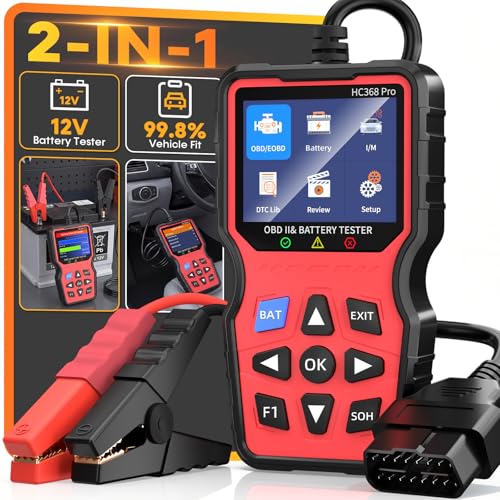
Diagnosing faulty components requires a systematic approach that starts with ensuring your battery is fully charged and the vehicle's electronics have entered sleep mode for accurate current measurement. Use a multimeter connected in series with the negative battery terminal to detect parasitic draw; readings above 50 mA indicate excessive power loss. Proceed by removing fuses one at a time while observing multimeter readings—any significant drop pinpoints the problematic circuit. Refer to the car’s fuse box chart to identify components linked to that circuit. Conduct targeted electrical tests on each component, checking wiring integrity and function to isolate the fault. After repairing or replacing the defective component, reconnect the battery and verify the multimeter reading returns to normal levels, confirming the parasitic draw issue has been resolved and restoring your battery’s reliability. For more efficient troubleshooting, consider using advanced conductance technology found in modern battery testers, which can provide highly accurate assessments of battery health and system performance.
Preventative Measures to Avoid Future Battery Drain
To prevent future battery drain, you should consistently verify that all interior and exterior lights, including dome, trunk, and glove box lights, are properly switched off or functioning as intended. Implement these preventative measures to guard against parasitic drains and maintain battery health:
- Confirm installed aftermarket electronics connect to ignition-switched power sources, not directly to the battery.
- Turn your vehicle off and unplug accessories like chargers or dash cams when idle.
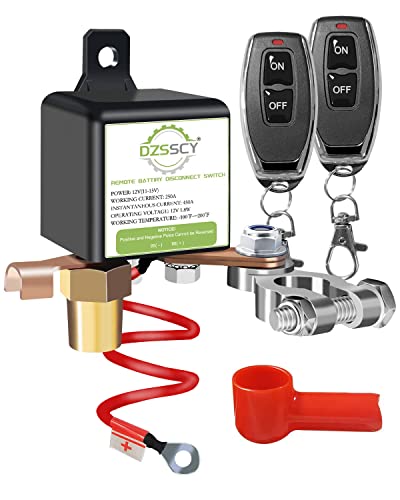
- Use a kill switch or cutoff relay to disconnect high-draw aftermarket devices from the battery.
- Regularly check for corrosion on battery terminals, clean them, and consider a battery maintainer for vehicles that remain unused.
Additionally, regularly inspect for signs of wear or damage on battery cables and related electrical components to ensure optimal performance and prevent unexpected power loss.
Frequently Asked Questions
How Do I Find the Source of a Car Battery Drain?
You’ll check battery health using a multimeter, focusing on voltage readings and parasitic draw. Systematically test electrical components via the fuse box, inspect wiring issues, and follow troubleshooting steps for effective battery maintenance and source identification.
How Do I Find What Circuit Is Draining My Battery?
Since battery parasitic draw over 50mA causes drain, use multimeter testing techniques during electrical system inspection. Analyze fuse box to isolate circuits, monitor battery voltage, check accessory power sources, faulty wiring issues, alternator performance, and interior light malfunction carefully.
What Drains a Car Battery When Nothing Is Left On?
You’re facing parasitic draw from interior lights left on, aftermarket accessories, or wiring issues. Faulty alternator, corroded terminals, ignition system faults, battery age, and temperature effects also silently drain your battery when nothing’s switched on.
How Do You Check What Is Draining My Battery?
You’ll perform battery testing methods using a multimeter to measure parasitic draw, conduct an electrical system check, inspect the fuse box, assess battery health, and identify accessory malfunction, ignition system issues, or wiring problems causing drain.
Final Thoughts
By carefully measuring current draw and isolating fuses, you’ll pinpoint the exact source of your battery drain—often a component you least expect. It’s surprising how a small oversight, like a faulty relay or dome light, can silently sap your battery overnight. Armed with your multimeter and methodical testing, you’ll not only fix the immediate issue but also prevent future drains. Your diligence guarantees reliable starts and peace of mind every time you turn the key.
 What Causes Issues in Your Car Fuse Box?
Reliable Floor Jacks on a Budget: Best Picks for Under $150
Top-Rated Floor Jacks Over $100: Built for Professionals, Priced for Smart Buyers
If you want to know other articles similar to How to Identify Car Battery Drain Sources you can visit the Lighting Electrical Care category.
Fixing Car Interior Lights That Won't Turn On

What Are the Steps to Replace Headlight Bulbs?

Why Is My Car Experiencing Electrical Issues?

7 Best Signs Your Car Alternator Is Failing

What Causes Issues in Your Car Fuse Box?

How to Upgrade Car Lighting for Safer Driving

Car Wiring Harness Repair Costs: Top 10 Factors

5 Best LED Headlights for Older Cars
Leave a Reply
This is also interesting