









What Causes Issues in Your Car Fuse Box?


You’ll encounter car fuse box issues mainly due to worn fuses, faulty wiring, or electrical overloads that disrupt circuits.
Corrosion, loose connections, and short circuits cause blown fuses and flickering lights. Aging components and excessive power draw from accessories also contribute.
Regularly inspecting and replacing fuses with correct amperage helps maintain reliability.
If these issues persist, it’s essential to understand fuse box locations, signs of relay problems, and proper maintenance techniques to keep your vehicle’s electrical system safe and functional.
Table
- Main Points
- Common Signs of Fuse Box Problems
- Understanding the Role of Fuses and Relays
- Typical Causes of Blown Car Fuses
- How Wiring Issues Affect Fuse Box Performance
- Identifying the Location of Your Vehicle’s Fuse Boxes
- Steps to Inspect and Test Fuses Safely
- Replacing Fuses: Best Practices and Precautions
- When to Suspect a Faulty Fuse Box or Relay
- Preventative Maintenance to Avoid Fuse Box Failures
- Professional Help and Diagnostic Tools for Fuse Box Issues
- Frequently Asked Questions
- Final Thoughts
Main Points
- Excessive current draw from faulty devices or motors can blow fuses and damage the fuse box.
- Short circuits caused by damaged wiring insulation lead to frequent fuse failures.
- Corrosion and fluid exposure degrade fuse box connections, causing electrical issues.
- Aging fuses lose reliability and increase the risk of electrical faults after 10–15 years.
- Loose or corroded grounding connections trigger multiple blown fuses and erratic electrical behavior.
Common Signs of Fuse Box Problems

If you notice blown fuses disrupting your radio, dome lights, or power windows, your fuse box may be the culprit. Blown fuses often signal underlying electrical problems within your vehicle’s circuits. Flickering lights or intermittent device operation can indicate increased resistance at fuse or socket connections, causing overheating. A clicking sound from the fuse box might suggest relay issues, which often coincide with power loss or failure to start. Corroded or loose grounding connections can trigger multiple blown fuses, revealing wiring faults inside the fuse box. Frequent fuse replacements, especially with aging fuses, point to excessive power draw or short circuits in electrical circuits. Recognizing these signs empowers you to diagnose and address fuse box problems effectively, restoring your vehicle’s electrical system reliability.
Understanding the Role of Fuses and Relays

You rely on fuses to interrupt electrical flow when current exceeds safe levels, protecting your vehicle’s wiring from damage. Relays, on the other hand, use low-power signals to safely control high-power circuits, reducing strain on switches and improving system durability. Understanding how both work helps you diagnose and prevent electrical failures efficiently.
Fuse Functionality Explained
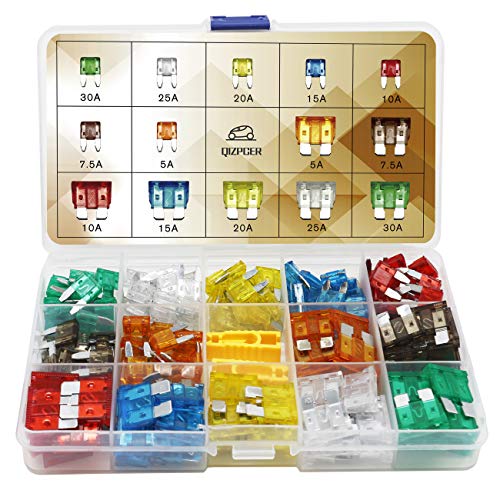
Fuses play a critical role in safeguarding your vehicle's electrical system by interrupting the flow of electricity during overloads or short circuits. They protect sensitive electrical components from damage by breaking the circuit when current exceeds a safe level. Each fuse is rated for a specific amperage, so using the correct rating is essential to prevent overheating or fire hazards. In your fuse box, you’ll find multiple fuses organized by the circuits they protect, such as lights or the radio. Regularly inspecting these fuses lets you spot potential problems early, maintaining your vehicle’s electrical health. By understanding how fuses operate, you gain control over your car’s safety, ensuring reliable function and avoiding costly repairs caused by electrical faults.
Relay Protection Benefits
While fuses protect your vehicle's electrical circuits by interrupting excessive current flow, relays complement this protection by managing the operation of high-power components through low-power control signals. Together, fuses and relays form a robust defense against electrical issues, preventing overloads and shorts that could damage critical components. You must use fuses with the correct amperage rating; otherwise, you risk overheating or fire hazards. Relays also shield passengers from high voltage exposure by acting as switches that handle heavy currents safely. Regular inspection of both fuses and relays helps you detect wear or damage early, ensuring efficient operation of lights, motors, and other systems. By maintaining proper relay function, you enhance your vehicle’s electrical reliability and extend component lifespan, freeing yourself from unexpected breakdowns.
Typical Causes of Blown Car Fuses

You’ll often find blown fuses result from common electrical failures like excessive current draw or faulty components. Wiring issues, including short circuits caused by damaged insulation or poor connections, are frequent culprits that disrupt proper current flow. Identifying these problems quickly lets you replace or repair components to prevent recurring fuse failures.
Common Electrical Failures
Because electrical components sometimes draw more current than their circuits are designed to handle, you may experience blown fuses caused by issues like worn power window motors or malfunctioning devices. When fuses blow, it’s often due to overloaded electrical systems exceeding fuse ratings. Short circuits—though discussed primarily elsewhere—can still indirectly cause fuse failures by stressing circuits. Environmental factors such as corrosion and fluid exposure degrade connections, increasing resistance and heat, which also leads to fuse blowouts. Aging fuses lose reliability over time; inspecting and replacing those older than 10–15 years prevents unexpected failures. To liberate yourself from recurring fuse issues, regularly check for signs of wear, clean corroded terminals, and replace faulty components promptly to maintain circuit integrity and protect your vehicle’s electrical system.
 7 Best Signs Your Car Alternator Is Failing
Wiring and Short Circuits
If wiring suffers from frayed insulation or loose connections, it can create short circuits that overload your vehicle’s electrical system and blow fuses. The wiring harness, exposed to moisture or physical damage, often develops faults causing electrical conductors to touch improperly. These short circuits produce excessive current flow, surpassing fuse ratings and triggering blown fuses. Additionally, high resistance at fuse or socket interfaces can cause overheating, further risking fuse failure. Malfunctioning components drawing more power than designed also stress circuits, leading to repeated fuse blowouts. To free yourself from recurring fuse problems, inspect the wiring harness for damage, guarantee secure connections, and replace compromised components promptly. Addressing these wiring and short circuit issues safeguards your electrical system’s integrity and restores reliable operation.
How Wiring Issues Affect Fuse Box Performance

When wiring issues like frayed insulation or poor connections occur, they cause short circuits that blow fuses and disrupt the electrical flow within your car’s fuse box. These short circuits increase resistance at fuse and socket interfaces, generating heat that can overheat and damage both the fuse and connected components. Environmental factors such as moisture accelerate wiring deterioration, leading to intermittent shorts that degrade fuse box performance. Damaged wiring harnesses, especially at flex points, provoke erratic electrical behavior, causing frequent fuse failures. To liberate your vehicle from these issues, regularly inspect and maintain wiring integrity. Addressing wiring problems proactively prevents excessive power draws, stabilizes electrical flow, and guarantees your fuse box operates efficiently without recurrent disruptions or failures.
Identifying the Location of Your Vehicle’s Fuse Boxes

Understanding how wiring issues impact fuse box performance highlights the importance of knowing exactly where your vehicle’s fuse boxes are located. Most vehicles have two key fuse boxes that protect critical components of the electrical system. To liberate yourself from guesswork, consult your owner's manual for precise locations and diagrams. Typically, you'll find:
Knowing your vehicle’s fuse box locations is crucial for diagnosing and fixing electrical wiring issues.
- An engine compartment fuse box guarding engine-related circuits
- A cabin fuse box under the dashboard managing interior electronics
- A larger main fuse labeled "MAIN" protecting the entire electrical system
- Multiple fuses and relays within each box stabilizing current flow
- Fuse boxes that must be regularly checked for corrosion or damage
Knowing these locations empowers you to maintain your vehicle’s electrical integrity effectively and independently.
Steps to Inspect and Test Fuses Safely
Before testing, visually inspect each fuse for broken filaments or burn marks that indicate failure. Use a multimeter set to continuity mode to verify whether the fuse is conducting electricity properly. This combination of visual and electrical checks guarantees accurate diagnosis while maintaining safety.
Visual Fuse Inspection
Anyone troubleshooting electrical issues should start by locating the vehicle's fuse box, typically found under the dashboard or in the engine compartment. Begin your visual inspection by carefully examining each fuse for signs of a blown fuse, such as broken filaments or burn marks. This quick check often reveals which fuse needs replacement without extra tools.
- Locate the fuse box using the vehicle manual.
- Remove the fuse cover carefully.
- Inspect each fuse’s filament for breaks or discoloration.
- Identify any blown fuse by visible damage.
- Replace blown fuses with the exact amperage rating specified.
Performing a precise visual inspection lets you quickly isolate faulty fuses, empowering you to restore your vehicle’s electrical system safely without unnecessary guesswork.
Using a Multimeter
After visually inspecting your fuses, using a multimeter provides a more accurate way to verify their condition. First, make certain the ignition is off and keys removed. Set your multimeter to continuity or lowest resistance mode. Carefully remove the fuse with a fuse puller or plastic tweezers. Place the multimeter probes on each fuse terminal to measure electrical currents passing through. A near-zero ohm reading shows a good fuse; infinite resistance means blown fuses require replacement with the correct amperage rating.
| Step | Action | Result |
|---|---|---|
| 1 | Power off vehicle | Prevents electrical shorts |
| 2 | Set multimeter to continuity | Prepares for accurate testing |
| 3 | Test fuse terminals | Confirms if fuse is blown |
This precise method liberates you from electrical uncertainty.
Replacing Fuses: Best Practices and Precautions
When replacing a fuse, you should always consult your vehicle's manual to identify the correct fuse rating and location, ensuring compatibility and preventing further electrical issues. Handling your fuse box with care avoids damage and electrical faults. Use new fuses matching exact amperage ratings specified to prevent overheating or fire risks. Always remove fuses with a fuse puller or insulated pliers for safety. Confirm the fuse is blown by checking for broken filaments or burn marks before replacement. If a new fuse blows quickly, it signals deeper electrical issues requiring professional diagnosis.
 Why Is My Car Experiencing Electrical Issues?
Always match fuse ratings and handle fuse boxes carefully to ensure safe and effective replacement.
- Consult the vehicle manual for fuse ratings and locations
- Use insulated tools to remove and insert fuses safely
- Inspect fuses for visible damage before replacement
- Only install new fuses with the exact amperage rating
- Seek expert help if new fuses blow repeatedly
When to Suspect a Faulty Fuse Box or Relay
Though blown fuses often point to individual component issues, multiple simultaneous fuse failures usually indicate a faulty fuse box. You should suspect fuse box problems if you hear a clicking sound when turning the ignition or operating electrical systems—this often signals a failing relay needing replacement. Flickering lights or intermittent electrical failures also suggest relay or fuse box faults that require prompt diagnosis. Overheating signs, such as melting or discoloration around the fuse box, demand immediate professional assessment to prevent further damage. Addressing these symptoms swiftly allows you to maintain control over your vehicle’s electrical system and avoid cascading failures. Stay vigilant for these indicators to liberate yourself from unexpected electrical breakdowns caused by fuse box or relay defects.
Preventative Maintenance to Avoid Fuse Box Failures
Recognizing the signs of fuse box or relay failure is just the first step; preventing these issues requires consistent maintenance. To effectively prevent damage and guarantee your car fuse box remains reliable, adopt a strict preventative maintenance routine. Focus on these key actions:
- Regularly inspect and replace aging fuses to avoid degradation and overheating.
- Verify that all electrical connections are clean, tight, and corrosion-free to maintain conductivity.
- Use only manufacturer-specified amperage fuses to prevent electrical overload.
- Limit aftermarket accessories that draw excessive power to avoid straining the fuse box.
- Schedule routine electrical system inspections with a qualified mechanic to detect issues early.
Professional Help and Diagnostic Tools for Fuse Box Issues
If you want to accurately diagnose fuse box issues, relying on professional help and specialized diagnostic tools is vital. ASE certified mechanics use multimeters and circuit testers to measure continuity, voltage drops, and detect wiring shorts. This approach guarantees precise identification of malfunctioning circuits, reducing troubleshooting time and preventing recurring problems. Here’s how professional help and diagnostic tools work together:
| Diagnostic Tool | Function | Benefit |
|---|---|---|
| Multimeter | Measures voltage & continuity | Pinpoints electrical faults |
| Circuit Tester | Detects shorts & breaks | Identifies wiring issues |
| Professional Knowledge | Expert consultation | Accurate, efficient diagnosis |
Access to professional-grade equipment and expertise empowers you to resolve fuse box issues safely and efficiently, liberating you from ongoing electrical troubles.
Frequently Asked Questions
What Can Damage a Car Fuse Box?
You can damage your car fuse box through poor fuse box maintenance, leading to corrosion damage or electrical shorts. Keep connections clean and secure to avoid failures and guarantee your electrical system stays reliable and safe.
What Are the Symptoms of a Bad Fuse Box?
When your car’s electrical system acts up, don’t beat around the bush—flickering lights, blown fuses, or dead accessories signal fuse box maintenance is due. Use troubleshooting tips to pinpoint and fix these faults swiftly.
How Much Does It Cost to Fix a Fuse Box in a Car?
You can expect fuse box replacement to cost $100 to $400 depending on damage. Repair costs for DIY fixes like fuse swaps run $10-$50. Professional diagnosis may add $50-$100, but regular checks save you money.
How Long Should a Car Fuse Box Last?
Your car fuse box typically lasts 10-15 years, but fuse longevity factors like environmental influences and electrical load matter. Regular maintenance tips—inspecting connections and preventing corrosion—can extend its life, keeping your vehicle’s electrical system reliable.
Final Thoughts
Now that you know what causes fuse box issues and how to spot them, the real question is—are you ready to tackle the hidden problem before it leaves you stranded? Ignoring warning signs or faulty wiring could escalate into costly repairs. Stay proactive: inspect, replace, and maintain your fuses carefully. If uncertainty creeps in, don’t hesitate to use diagnostic tools or seek professional help. Your car’s electrical system depends on it—act before it’s too late.
 What Are the Steps to Replace Headlight Bulbs?
Reliable Floor Jacks on a Budget: Best Picks for Under $150
Top-Rated Floor Jacks Over $100: Built for Professionals, Priced for Smart Buyers
If you want to know other articles similar to What Causes Issues in Your Car Fuse Box? you can visit the Lighting Electrical Care category.
Fixing Car Interior Lights That Won't Turn On

What Are the Steps to Replace Headlight Bulbs?

Why Is My Car Experiencing Electrical Issues?

7 Best Signs Your Car Alternator Is Failing

How to Upgrade Car Lighting for Safer Driving

Car Wiring Harness Repair Costs: Top 10 Factors

How to Identify Car Battery Drain Sources

5 Best LED Headlights for Older Cars
Leave a Reply
This is also interesting