









7 Signs Your Car Suspension Needs Attention


You’ll know your car suspension needs attention if you spot uneven tire wear, excessive bouncing, or clunking noises during driving.
Steering difficulties, like delays or pulling to one side, also indicate worn components or misalignment.
Check for visible fluid leaks around shocks or struts, and watch for noticeable body lean or swaying when turning.
These signs affect safety and handling, so understanding each can help you maintain control and avoid costly repairs.
Table
Main Points
- Uneven or rapid tire wear indicates suspension misalignment or worn components needing inspection.
- Excessive vehicle bouncing signals worn shock absorbers or struts reducing ride quality and stability.
- Clunking or knocking noises suggest deteriorated bushings or ball joints requiring professional evaluation.
- Steering difficulties, delays, or vehicle pulling to one side point to suspension or alignment issues.
- Visible fluid leaks on shocks or struts indicate compromised seals and reduced suspension performance.
Uneven Tire Wear Patterns

How can you tell if your suspension system is failing? One clear indicator is uneven tire wear. If you notice excessive wear on one side of a tire or cupping patterns, it often points to misaligned wheels or deteriorating suspension components. Worn shocks and bushings frequently cause rapid tire wear on specific areas, signaling suspension issues that need immediate attention. Ignoring these signs accelerates suspension deterioration, leading to compromised vehicle stability and costly repairs. Regularly inspecting your tires for these wear patterns empowers you to address suspension problems promptly, preserving your car’s performance and your driving safety. By staying vigilant to uneven tire wear, you gain control over your vehicle’s condition and avoid being trapped by escalating mechanical failures.
Excessive Vehicle Bouncing

If your vehicle continues to bounce excessively after hitting a bump, it’s likely due to worn-out shock absorbers or struts failing to control spring motion. This not only degrades ride quality but also reduces vehicle stability and safety. Identifying these causes early helps you maintain control and avoid further suspension damage.
Causes of Excessive Bouncing
When your vehicle continues to bounce excessively after encountering a bump, worn-out shock absorbers or struts are often the primary cause. These components control spring motion and stabilize your ride. Excessive bouncing signals that suspension components need urgent attention. Key causes include:
- Shock absorbers reaching the end of their 50,000-100,000 mile lifespan.
- Springs or struts weakened by rough terrain or potholes.
- Worn-out suspension parts failing to dampen vibrations properly.
- Neglecting regular inspections that would catch early deterioration.
Impact on Ride Quality
Although you might expect a smooth ride after passing over bumps, excessive vehicle bouncing clearly indicates that your shock absorbers or struts aren't absorbing impacts properly. This is a critical sign you need to inspect your suspension system. When shocks or struts wear out, they fail to dampen spring motion, causing continuous bouncing and increased body roll. Such suspension problems degrade ride quality, making your drive uncomfortable and less controlled. Additionally, excessive bouncing compromises vehicle stability during turns and sudden stops, risking your safety. Addressing these signs you need maintenance promptly restores proper shock absorption, improves handling, and prevents further damage. Don’t ignore these symptoms—replacing worn shocks or struts is essential to regain a stable, liberated driving experience.
 10 Key Items Covered in Suspension Checks
Clunking or Knocking Noises

Unusual clunking or knocking noises as you drive over bumps often signal worn suspension components like bushings or ball joints. These sounds result from metal-to-metal contact caused by wear and tear, indicating compromised suspension integrity. Ignoring them risks escalating damage and safety hazards. To maintain control and freedom on the road, watch for these signs:
- Repeated clunking or knocking during normal driving conditions
- Increased play or looseness in steering or suspension parts
- Noticeable changes in vehicle handling and stability
- Persistent noise despite smooth road surfaces
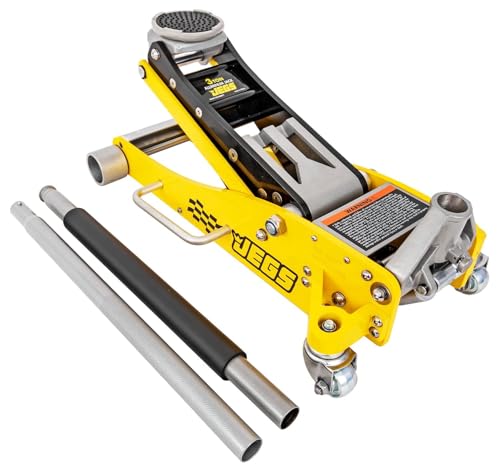
Don’t delay a professional evaluation; early detection frees you from costly repairs and unsafe driving. Your suspension’s health directly affects your driving liberation—address these noises promptly to stay in control. If you need to safely inspect your suspension at home, consider using a built-in ratcheting safety bar for stable and secure vehicle elevation during your checks.
Steering Difficulties or Delays

Persistent clunking noises often lead to steering difficulties or delays, which signal worn suspension components like control arms or tie rods. These issues reduce responsiveness, impair vehicle control, and compromise safety. If your car pulls to one side or steering feels erratic, misalignment or wear in suspension parts is likely. Addressing these symptoms promptly prevents further damage and costly repairs.
| Symptom | Possible Cause | Impact on Vehicle Control |
|---|---|---|
| Steering delay | Worn control arms | Reduced responsiveness |
| Pulling to one side | Misalignment | Erratic handling |
| Erratic steering | Tie rod wear | Compromised stability |
| Steering lag | Suspension wear | Decreased safety |
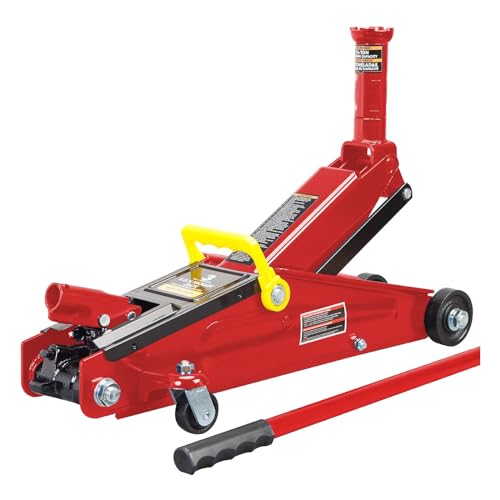
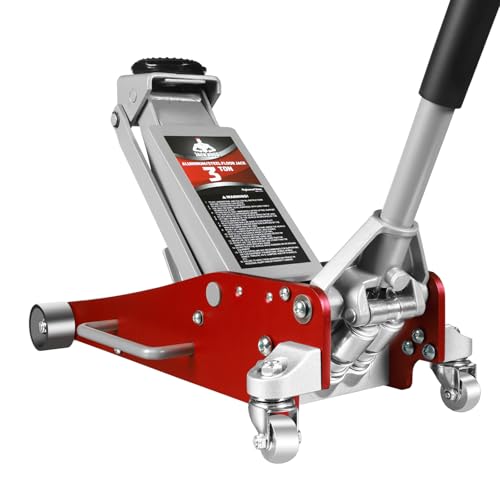
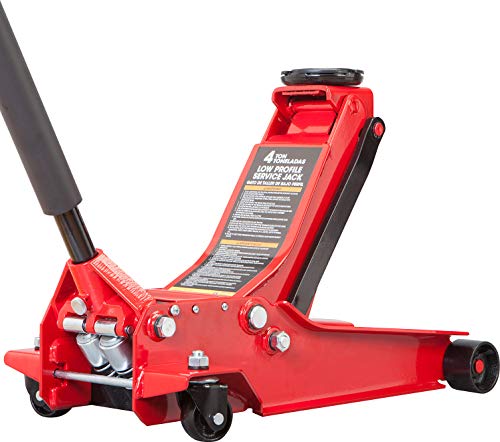
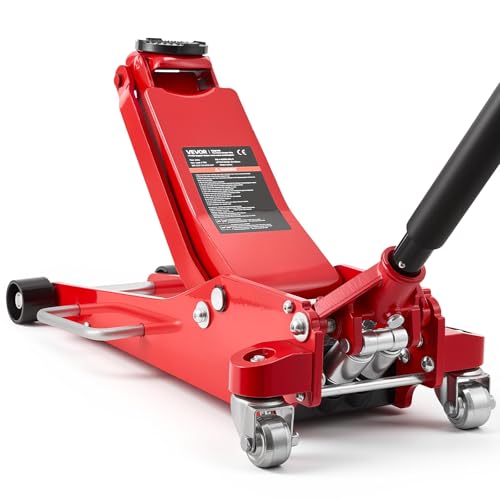
Keep suspension components maintained to guarantee precise steering and liberate your driving experience. Using a low-profile floor jack can make inspecting and repairing your suspension safer and more efficient.
Visible Fluid Leaks Around Suspension

You should inspect suspension components closely to identify any visible fluid leaks, especially around shocks or struts where hydraulic fluid loss is critical. Such leaks directly impair suspension performance, causing rough rides and reduced handling stability. Addressing these issues promptly prevents further damage and guarantees your vehicle maintains safe, reliable operation.
Identifying Leak Sources
When fluid appears on or around your vehicle’s suspension components, such as shocks or struts, it often signals compromised seals or worn parts that need immediate attention. Identifying the exact source of fluid leaks is critical to protect your suspension system and maintain safety. You should:
- Inspect shocks and struts for oily residue or wetness along their bodies.
- Check suspension components for fluid pooling or drips underneath the vehicle.
- Trace fluid paths to pinpoint leaking seals or damaged parts.
- Consult a professional mechanic promptly to diagnose and repair issues.
Ignoring fluid leaks reduces lubrication, accelerates wear, and risks metal-on-metal contact within your suspension system. Taking swift, precise action liberates you from costly repairs and unsafe driving conditions.
Impact on Suspension Performance
Although fluid leaks around suspension components may seem minor, they directly impair your vehicle’s damping ability, causing excessive bouncing and reduced stability. These leaks indicate compromised seals in shocks or struts, leading to inadequate damping and diminished vehicle performance. When damping falters, you lose control over handling, increasing suspension problems and safety risks. Even small fluid leaks signal underlying damage that demands your attention. A visible puddle under your car after parking confirms significant leakage and component failure. Ignoring these signs accelerates wear through metal-on-metal contact, shortening suspension lifespan. Regularly inspecting for fluid leaks helps you detect issues early, ensuring your suspension components function effectively. Addressing fluid leaks is essential to maintaining stability, safety, and the liberation that comes with confident driving. Using a quality floor jack when inspecting or repairing your suspension can enhance both safety and efficiency during maintenance.
Importance of Timely Repairs
Visible fluid leaks around suspension components signal compromised shocks or struts that require immediate attention to maintain vehicle performance and safety. Ignoring these leaks in your vehicle’s suspension might result in deteriorated handling and increased risk on the road. Timely repairs help you:
 How Much Are Suspension and Steering Checks?
- Preserve shocks and struts’ damping efficiency by maintaining proper fluid levels
- Prevent metal-on-metal contact inside suspension components, averting costly damage
- Avoid excessive bouncing and rough rides that compromise control and comfort
- Detect issues early through regular inspections, reducing overall maintenance expenses
Vehicle Pulling to One Side
If your vehicle consistently pulls to one side while driving on flat roads, it signals a likely front wheel misalignment that demands immediate attention. This pulling to one side stresses suspension components like control arms and bushings, compromising your vehicle’s handling and stability. Ignoring this issue accelerates uneven tire wear, forcing costly replacements and reducing safety. To liberate yourself from ongoing problems, schedule a thorough vehicle alignment inspection promptly. Proper alignment realigns suspension parts, restores balanced tire wear, and enhances control. Regular suspension inspections and maintenance prevent misalignment from escalating, ensuring your driving experience remains safe and comfortable. Address pulling issues decisively to maintain freedom on the road and avoid the cascading effects of neglected suspension faults.
Noticeable Body Lean or Swaying
When your vehicle leans noticeably or sways during turns, it often points to issues with the sway bar or worn shock absorbers that compromise stability. This body lean and swaying signal that your suspension system isn’t maintaining proper vehicle stability. Ignoring these signs risks control loss, especially in sharp maneuvers. You should act swiftly to regain safe, liberated driving.
- Body lean when parked may indicate damaged springs or failing suspension components.
- Excessive swaying reduces traction and increases rollover risk.
- Worn-out shock absorbers fail to dampen motion, causing instability.
- Regular suspension system inspections catch problems early, preserving control.
Addressing noticeable body lean or swaying liberates you from unsafe driving conditions by restoring your suspension’s integrity.
Frequently Asked Questions
What Are the Symptoms of a Bad Suspension?
You’ll notice suspension noise, uneven tire wear, and a bouncing ride. Your vehicle handling worsens, steering issues arise, and stability fades. These symptoms mean your suspension needs inspection to keep your drive safe and liberating.
How Do I Know if My Car Needs a New Suspension?
Imagine cruising, but your car sways wildly on bumps—that’s a clear sign of wear. Prioritize suspension maintenance tips to improve driving comfort, avoid costly repairs, and gain suspension upgrade benefits that enhance control and safety.
Is It OK to Drive a Car With Bad Suspension?
You shouldn’t drive with bad suspension; it compromises driving safety, causes handling issues, and reduces ride comfort. Delaying suspension repairs increases cost implications and risks, so address problems promptly to maintain control and avoid expensive damage.
What Does a Worn Out Suspension Feel Like?
Isn’t it fun when your worn shocks turn every drive into a bumpy ride? You’ll notice noise problems, steering issues, and uneven tires—all telling you your suspension’s begging for repair to regain control and freedom.
Final Thoughts
Think of your car’s suspension like the foundation of a house—if it’s shaky, everything else feels it. Ignoring signs like uneven tire wear or clunking noises is like letting cracks spread unnoticed. By addressing these warning signals promptly, you’re reinforcing stability, ensuring smooth handling, and extending your vehicle’s life. Stay vigilant, and treat your suspension like a well-tuned instrument—precise, balanced, and ready to perform safely every time you drive.
 Signs It’s Time to Replace Steering Parts
Reliable Floor Jacks on a Budget: Best Picks for Under $150
Top-Rated Floor Jacks Over $100: Built for Professionals, Priced for Smart Buyers
If you want to know other articles similar to 7 Signs Your Car Suspension Needs Attention you can visit the Suspension Steering Care category.
Common Indicators Your Car Suspension Needs Attention

When to Schedule Your Suspension Inspection: 7 Tips

Why Regular Steering Checks Matter for Your Car

Top 3 Suspension and Steering Inspection Tips

Signs It’s Time to Replace Steering Parts

How Much Are Suspension and Steering Checks?

10 Key Items Covered in Suspension Checks

Find Local Suspension and Steering Inspection Services
Leave a Reply
This is also interesting