













Why Follow an Exhaust System Inspection Checklist?


You follow an exhaust system inspection checklist to guarantee you don’t miss critical issues like leaks, corrosion, or damaged components that affect performance and emissions.
It helps you detect problems early, maintain compliance with regulations, and avoid costly repairs or fines.
Using a checklist also streamlines your inspection process, promotes safety, and builds customer trust through clear communication.
Understanding these advantages will prepare you to manage exhaust system inspections more efficiently and effectively.
Table
- Main Points
- Benefits of Using an Exhaust System Inspection Checklist
- Key Components to Inspect in the Exhaust System
- Common Signs Indicating Exhaust System Problems
- Legal and Safety Considerations During Inspection
- Best Practices for Communicating Inspection Results to Customers
- Frequently Asked Questions
- Final Thoughts
Main Points
- Ensures all critical exhaust components are thoroughly checked, preventing oversight and missed issues.
- Helps detect early signs of wear or damage, enabling timely maintenance and avoiding costly repairs.
- Guarantees compliance with EPA regulations, reducing the risk of legal penalties for emission violations.
- Streamlines the inspection process, improving efficiency and consistency in service delivery.
- Enhances clear communication with customers by providing documented, transparent inspection results.
Benefits of Using an Exhaust System Inspection Checklist

When you use an exhaust system inspection checklist, you make certain every vital component—from the exhaust manifold to the catalytic converter and muffler—is thoroughly examined, minimizing the chance of overlooking issues that could cause expensive repairs. This systematic approach enhances your ability to detect early signs of exhaust wear or damage, enabling proactive maintenance that preserves engine performance and overall vehicle performance. The system plays an essential role in emission control, so adhering to the checklist guarantees compliance with EPA regulations, preventing legal complications. Utilizing an inspection checklist streamlines exhaust system inspection and exhaust system repair processes, improves service efficiency, and strengthens communication by clearly documenting component conditions. Ultimately, this disciplined method empowers you to maintain your vehicle’s health confidently and avoid unexpected breakdowns.
 10 Tips to Spot Exhaust Leaks During Inspection
Key Components to Inspect in the Exhaust System

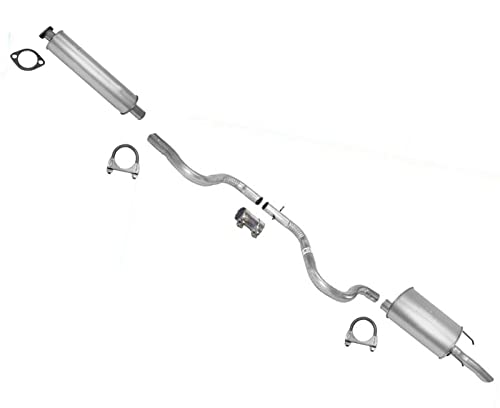
A thorough exhaust system inspection depends on systematically evaluating each key component to identify wear or damage that could impair performance. Start by inspecting the exhaust manifold for cracks or leaks, as it directs emissions to the catalytic converter. Examine the catalytic converter for overheating, clogs, and damage since it reduces harmful gases like carbon monoxide. Check mufflers for internal damage and leaks to maintain noise reduction and fuel efficiency. Inspect exhaust pipes for corrosion and holes, which can cause exhaust leaks and lower vehicle performance. Finally, assess hangers and clamps to guarantee they securely support the system during operation. Regular inspection and maintenance of these components safeguard your vehicle’s efficiency and your freedom from harmful emissions.
Common Signs Indicating Exhaust System Problems

Although exhaust system issues might seem subtle at first, you should watch for specific signs that indicate problems. Identifying these early can free you from costly repairs and safety risks. Here are three common signs of an exhaust system problem:
Spotting early exhaust issues can prevent expensive repairs and ensure your safety on the road.

- Unusual noises such as rattling or loud sounds often point to internal damage or loose components. Visible rust, cracks, or holes in the muffler clearly show deterioration, leading to potential exhaust leaks.
- A sudden drop in fuel efficiency or activation of the check engine light can signal underlying exhaust system failures affecting engine performance.
- Excessive exhaust smoke or strange odors indicate leaks or malfunctions requiring immediate inspection.
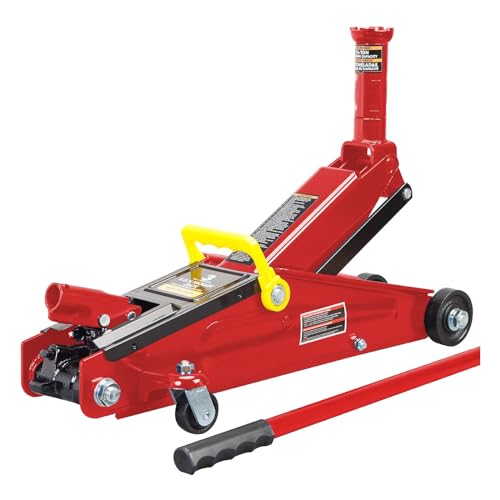
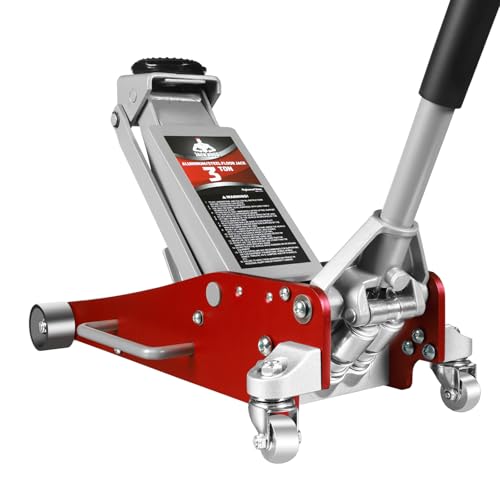
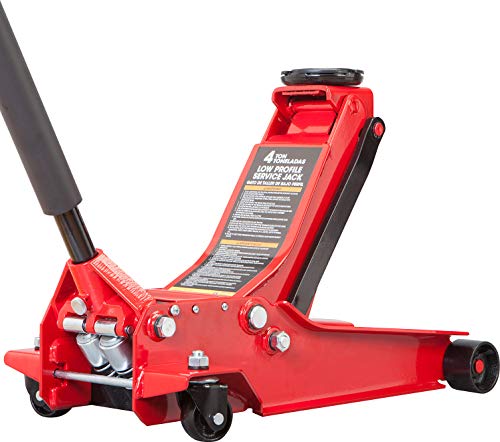
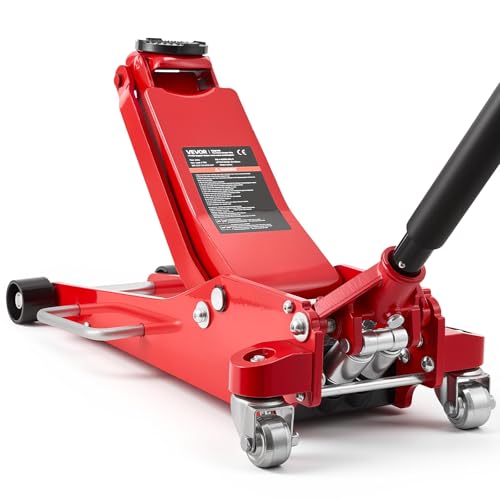
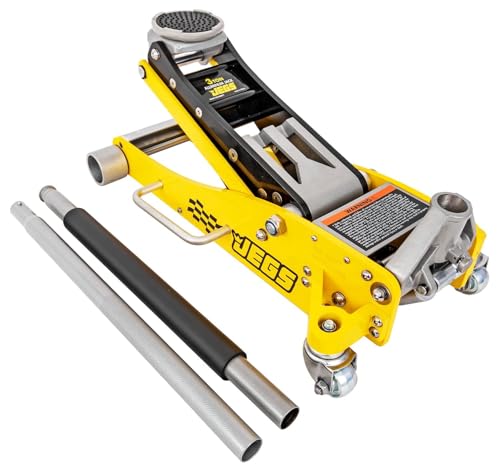
Recognizing these signs of an exhaust problem empowers you to act before minor issues become major. Using reliable lifting equipment during inspections, such as a quality floor jack, ensures safe and efficient access to the exhaust system for thorough evaluation.
Legal and Safety Considerations During Inspection

Because exhaust system inspections directly impact vehicle compliance and safety, you must follow legal guidelines and safety protocols meticulously. Using a detailed checklist guarantees thorough inspections that identify emission control issues critical for compliance with EPA regulations and the Clean Air Act. Neglecting these steps risks legal consequences, including fines for tampering or illegal alterations. Documenting each inspection step enhances transparency and reinforces customer trust by clearly communicating the vehicle’s exhaust system condition and compliance status. Adhering to these practices not only safeguards vehicle operation but also demonstrates professionalism and accountability. By committing to precise, checklist-driven inspections, you protect yourself and your customers from potential liabilities while promoting safer, legally compliant vehicles on the road.
Best Practices for Communicating Inspection Results to Customers

When you use a detailed checklist during exhaust system inspections, you create a clear and organized record that simplifies communicating specific issues and repair needs to your customers. Since the exhaust system plays a significant role in vehicle performance and emission control, it’s essential to inspect your exhaust system thoroughly and relay findings effectively. Follow these best practices:
 7 Steps to Inspect Your Exhaust System During Oil Change
- Present visual evidence like photos or diagrams to enhance customer comprehension and highlight the urgency of repairs.
- Clearly explain how identified issues can lead to engine damage if not addressed promptly, emphasizing the importance of maintenance of your exhaust.
- Maintain transparency by outlining required versus suggested repairs, empowering customers to make informed decisions confidently.
This approach guarantees you communicate specific issues with clarity and build trust through transparency.
Frequently Asked Questions
What Would an Exhaust System Be Inspected For?
You inspect the exhaust system for exhaust leaks, rust damage, muffler condition, and catalytic converter function. Check hangers integrity, pipe alignment, heat shields, emissions control, noise levels, and perform a thorough visual inspection to guarantee peak performance.
What Is Very Important When Checking the Exhaust System?
Picture a humming engine; you must spot exhaust leaks, assess noise levels, check rust, pipe condition, and gasket wear. Prioritize component integrity, mounting brackets, muffler health, vibration analysis, and emission control to keep freedom on the road.
How Often Should a Mechanic Check Your Exhaust System?
You should have a mechanic check your exhaust system annually, focusing on exhaust leaks, muffler condition, noise levels, pipe corrosion, hanger integrity, catalytic converter, exhaust tips, and emissions testing to prevent performance issues and adjust inspection frequency accordingly.
Why Is It Important to Make Sure the Exhaust Is in Good Condition?
You need to prevent exhaust leaks to maintain engine performance, reduce harmful emissions, and improve fuel efficiency. Ensuring good exhaust condition supports noise reduction, complies with safety regulations, minimizes maintenance costs, and enhances vehicle longevity and driving experience.
Final Thoughts
Following an exhaust system inspection checklist keeps your work as precise as a surgeon’s scalpel, ensuring no detail is missed. It helps you identify issues early, maintain safety standards, and comply with legal requirements. By systematically checking key components and recognizing common problem signs, you provide clear, reliable results to your customers. Using a checklist not only streamlines your process but also builds trust through consistent, thorough inspections every time.
 Professional Exhaust System Inspection Costs Explained
Reliable Floor Jacks on a Budget: Best Picks for Under $150
Top-Rated Floor Jacks Over $100: Built for Professionals, Priced for Smart Buyers
If you want to know other articles similar to Why Follow an Exhaust System Inspection Checklist? you can visit the Exhaust System Care category.
3 Best Ways to Inspect Your Car’s Exhaust

Professional Exhaust System Inspection Costs Explained

7 Steps to Inspect Your Exhaust System During Oil Change

10 Tips to Spot Exhaust Leaks During Inspection

Exhaust System Inspection Steps for Car Owners

Why Schedule Exhaust System Inspection Annually?

7 Tips for Exhaust Inspection After Emissions Failure

10 Tips for Inspecting Used Car Exhaust Systems
Leave a Reply
This is also interesting