















Why Schedule Exhaust System Inspection Annually?



You should schedule an exhaust system inspection annually to catch leaks, rust, and damage early, ensuring your vehicle runs safely and efficiently.
Regular checks help maintain engine performance, improve fuel economy, and reduce harmful emissions while preventing costly repairs.
Inspections also keep you compliant with environmental regulations and avoid unexpected breakdowns.
Climate, driving habits, and vehicle age influence how often you need these inspections.
Understanding the details of these benefits and procedures will further clarify why annual inspections matter.
Table
- Main Points
- Understanding the Main Components of Your Exhaust System
- Key Benefits of Annual Exhaust System Inspections
- Common Signs Indicating an Exhaust System Inspection Is Needed
- The Role of Exhaust Inspections in Maintaining Vehicle Performance
- How Exhaust System Leaks Affect Fuel Efficiency and Emissions
- Safety Risks Associated With Neglected Exhaust Systems
- The Impact of Climate and Driving Habits on Inspection Frequency
- What Mechanics Look for During a Comprehensive Exhaust Inspection
- Avoiding Costly Repairs Through Preventative Exhaust Maintenance
- Preparing Your Vehicle for the National Car Test (NCT) Through Regular Inspections
- Frequently Asked Questions
- Final Thoughts
Main Points
- Early detection of leaks prevents harmful carbon monoxide exposure and ensures vehicle safety.
- Maintains optimal engine performance and improves fuel efficiency by restoring proper exhaust flow.
- Identifies rust, corrosion, and damage to extend the lifespan of mufflers and catalytic converters.
- Ensures compliance with emission standards, avoiding environmental penalties and legal issues.
- Prevents costly repairs by addressing minor exhaust system issues before they escalate.
Understanding the Main Components of Your Exhaust System

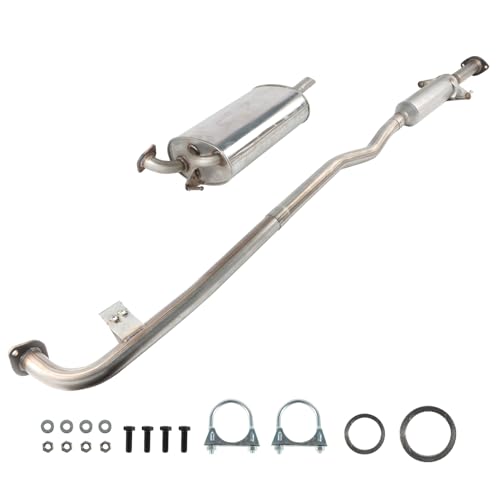
Your vehicle’s exhaust system consists of several key components that work together to manage and treat engine emissions effectively. The exhaust manifold collects emissions from the engine and channels them into the catalytic converter, which transforms harmful gases into less dangerous substances like water vapor and carbon dioxide. The catalytic converter is vital for keeping the exhaust system functioning within environmental regulations. Following this, the muffler reduces noise by dissipating sound waves, ensuring a quieter ride. Finally, the tailpipe releases the treated gases into the atmosphere, and its condition directly impacts the overall exhaust system functionality. Understanding these parts helps you appreciate why maintaining the exhaust system is functioning at its best is essential for safety, performance, and environmental responsibility.
Key Benefits of Annual Exhaust System Inspections
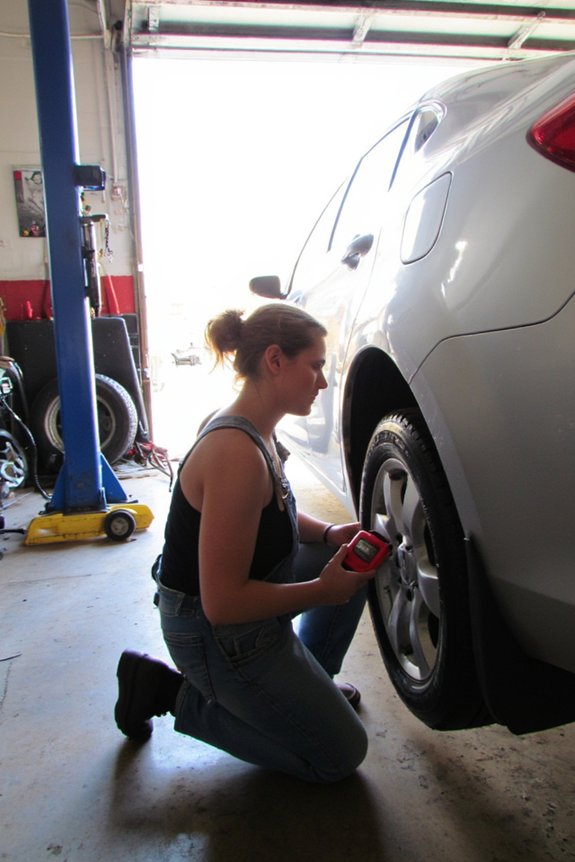
Annual exhaust system inspections offer several essential benefits that directly impact your vehicle’s performance, safety, and compliance with regulations. When you have your exhaust system inspected annually, you catch leaks or damage early, avoiding costly repairs later. A well-maintained exhaust system guarantees peak engine performance and fuel efficiency by promoting proper exhaust flow and minimizing power loss. Safety is enhanced by detecting exhaust leaks that could introduce harmful gases like carbon monoxide into your vehicle’s cabin. Additionally, regular inspections assure your vehicle meets emissions standards, helping you pass tests such as the National Car Test (NCT) with ease. Routine maintenance through annual exhaust system inspections also extends the lifespan of critical components like the muffler and catalytic converter, preserving your vehicle’s integrity and your freedom on the road.
Common Signs Indicating an Exhaust System Inspection Is Needed
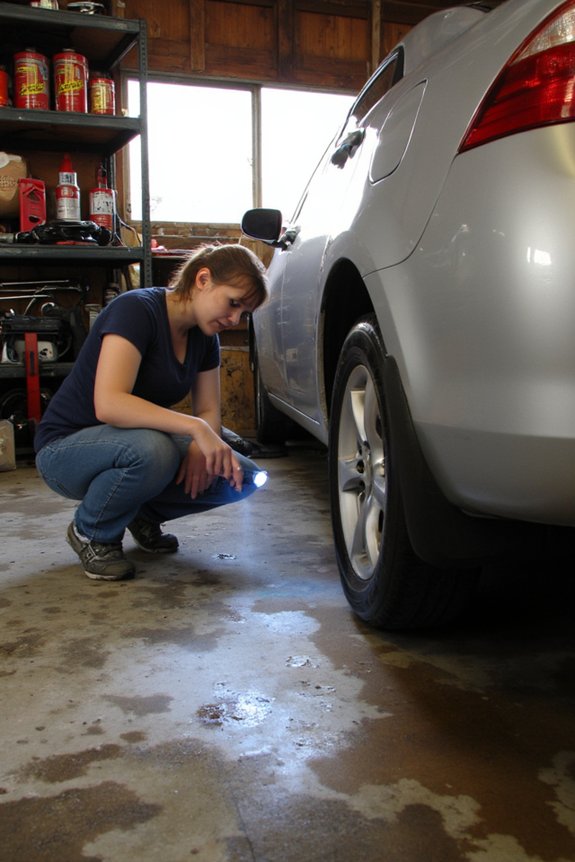
If you hear loud exhaust noise while driving, it often signals a compromised muffler or exhaust component that needs inspection. You should also watch for visible rust or corrosion on the exhaust system, as these indicate structural deterioration. Addressing these signs promptly helps maintain your vehicle’s safety and efficiency.
Loud Exhaust Noise
How can you tell when your exhaust system needs immediate attention? Loud exhaust noise, such as hissing or rumbling, often signals a hole or crack in the muffler. This compromised integrity demands prompt inspection to prevent further damage. The exhaust system plays an essential role in controlling engine noise and emissions; when you notice a sudden spike in engine noise, it may indicate leaks in the exhaust manifold gasket requiring thorough examination. Ignoring these sounds can degrade vehicle performance and escalate repair costs considerably. Scheduling regular inspections helps you detect and fix issues early, maintaining peak engine function and fuel efficiency. By addressing loud exhaust noise promptly, you protect your vehicle’s liberation from costly failures and guarantee its continued reliability on the road.
 Exhaust System Inspection Steps for Car Owners
Visible Rust or Corrosion
Although rust and corrosion may seem superficial, their presence on your exhaust system components often signals deeper structural issues that demand immediate attention. You’ll commonly find rust around joints, bends, and connections—critical weak points prone to developing an exhaust leak. Exposure to moisture, road salt, and chemicals accelerates corrosion, compromising the integrity of essential parts like the exhaust manifold, catalytic converter, and muffler. Ignoring these signs risks costly repairs and diminished vehicle performance. By scheduling an annual inspection, you can identify visible rust or corrosion early, preventing exhaust leaks and preserving your system’s structural soundness. Taking proactive steps guarantees your vehicle operates safely and efficiently, granting you the freedom to drive without unexpected breakdowns or costly interruptions.
The Role of Exhaust Inspections in Maintaining Vehicle Performance
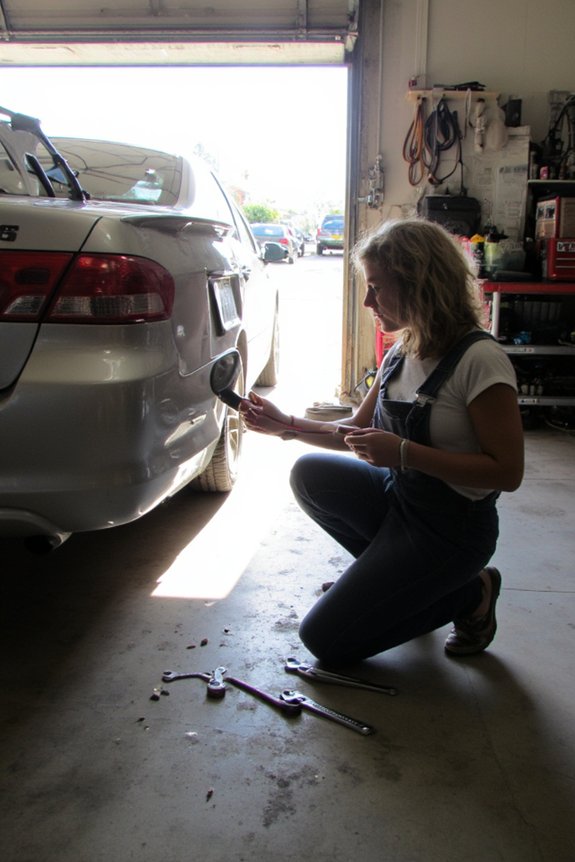
Because your vehicle’s exhaust system directly influences engine efficiency and emissions control, conducting annual inspections plays an essential role in maintaining peak performance. Exhaust system inspections help you identify leaks or blockages that hinder exhaust flow, which can reduce engine power and overall vehicle responsiveness. These inspections also verify the ideal function of the catalytic converter and muffler, ensuring your vehicle complies with environmental standards. By keeping the exhaust system leak-free and clear of wear, you prevent minor defects from escalating into costly repairs that degrade performance. Additionally, regular inspections help maintain fuel efficiency by enabling the engine to operate effectively. Prioritizing annual exhaust system inspections safeguards both your vehicle’s performance and your safety, freeing you from unexpected breakdowns and harmful gas exposure.
How Exhaust System Leaks Affect Fuel Efficiency and Emissions
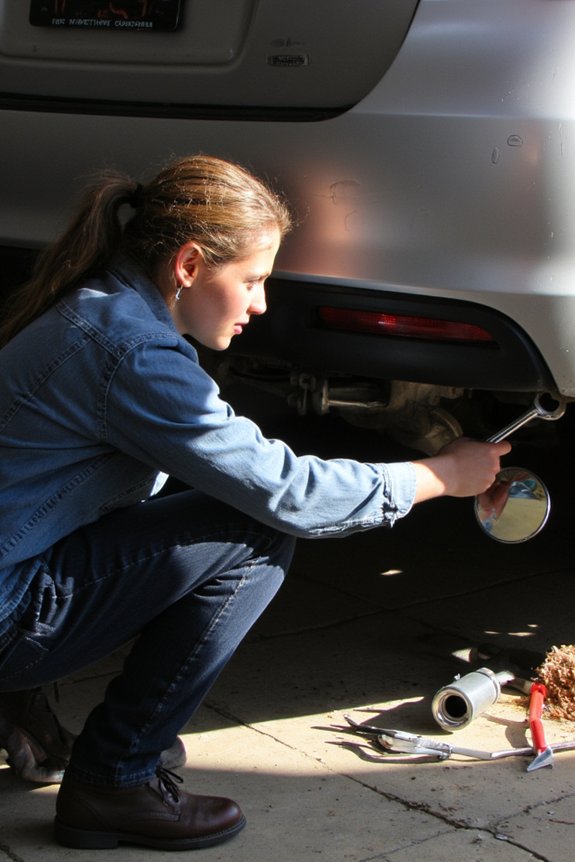
If your exhaust system has leaks, you'll notice a drop in fuel efficiency as the engine works harder due to improper back pressure and faulty oxygen sensor readings. These leaks also allow unfiltered exhaust gases to escape before reaching the catalytic converter, increasing harmful emissions like hydrocarbons and nitrogen oxides. Regular inspections help identify these issues early, maintaining ideal engine performance and compliance with emissions standards.
Fuel Economy Decline
When your exhaust system leaks, it disrupts the engine’s back pressure, which directly lowers fuel efficiency by impairing ideal combustion. You’ll notice increased fuel consumption—studies reveal up to a 15% rise—because your engine works harder to maintain power. This inefficiency not only raises your driving costs but also signals that it’s time for thorough exhaust system inspections. Regular checks catch leaks early, restoring maximum combustion and fuel economy.
| Issue | Impact on Fuel Economy |
|---|---|
| Exhaust leak size | Larger leaks cause bigger losses |
| Back pressure loss | Reduces combustion efficiency |
| Engine workload | Increased, burns more fuel |
| Unburned fuel | Wasted, lowers mileage |
| Inspection frequency | Annual checks prevent declines |
Stay vigilant; annual inspections liberate your vehicle’s full efficiency potential.
Increased Harmful Emissions
Although exhaust system leaks might seem minor, they considerably increase harmful emissions by allowing gases like carbon monoxide and hydrocarbons to escape before proper treatment. These leaks lead to incomplete combustion, which raises fuel consumption and lowers fuel efficiency by up to 30%. By scheduling regular exhaust system inspections, you can detect leaks early and prevent emissions from exceeding regulatory limits. Ignoring this essential maintenance risks failing emissions tests, incurring costly repairs, fines, and potential legal issues. Promptly addressing leaks not only reduces your vehicle’s carbon footprint but also saves you hundreds annually on fuel. Prioritizing exhaust system inspections liberates you from avoidable expenses and environmental harm, ensuring your vehicle complies with emissions standards and operates efficiently.
Engine Performance Impact
Because exhaust system leaks allow gases to escape before reaching the catalytic converter, your engine’s performance suffers noticeably. These leaks disrupt the ideal air-fuel mixture necessary for complete combustion, reducing fuel efficiency by up to 10%. Incomplete combustion increases harmful emissions like hydrocarbons and carbon monoxide, compromising your vehicle’s environmental impact and regulatory compliance. Scheduling regular exhaust system inspections helps you identify leaks early, restoring proper exhaust flow and air-fuel balance. By maintaining an efficient exhaust system, you not only improve fuel economy but also reduce toxic emissions and enhance engine responsiveness. Prioritizing exhaust system inspections liberates you from excess fuel costs and environmental penalties, ensuring your vehicle runs cleanly and efficiently while meeting emission standards consistently. Using specialized cleaners and detailing kits for your car's interior can further support your maintenance routine, helping you keep your vehicle in top condition inside and out.
Safety Risks Associated With Neglected Exhaust Systems
Neglecting your vehicle’s exhaust system greatly increases safety risks by allowing harmful gases like carbon monoxide to enter the cabin, threatening your health. Exhaust system inspections are essential to detect rust, cracks, or leaks that compromise cabin air quality and driver safety. A leaking exhaust manifold gasket can cause engine overheating, escalating the risk of severe engine damage and roadside breakdowns. Additionally, a faulty exhaust system diminishes vehicle performance, making acceleration sluggish and potentially hazardous in traffic. Beyond safety, neglect can lead to emissions non-compliance and failed safety inspections, exposing you to fines and unsafe conditions. By scheduling annual exhaust system inspections, you liberate yourself from hidden dangers, ensuring your vehicle operates safely and reliably while protecting your well-being and that of your passengers.
The Impact of Climate and Driving Habits on Inspection Frequency
When you live in a region with harsh winters or high humidity, your vehicle’s exhaust system requires more frequent inspections to prevent corrosion and moisture-related damage. Road salt accelerates rust, while moisture buildup compromises metal integrity, making regular exhaust system inspections crucial. Additionally, if your driving involves heavy traffic or frequent short trips, exhaust components endure increased wear, necessitating inspections beyond the standard annual schedule. Aggressive driving habits, such as rapid acceleration and sudden braking, impose further stress on the system, especially in high-performance vehicles. Older vehicles or those with high mileage face elevated risks, so tailoring inspection frequency to your specific climate and driving patterns guarantees the best exhaust system function and longevity. Prioritize these inspections to maintain safety and liberation on the road.
What Mechanics Look for During a Comprehensive Exhaust Inspection
When your mechanic inspects your exhaust system, they carefully check for leaks by looking for residue and soot that signal compromised seals. They assess each component, like the muffler and catalytic converter, for damage or unusual noises that could indicate failure. Finally, they examine all connections and seals to verify nothing is loose or binding, maintaining peak system performance.
 Why Follow an Exhaust System Inspection Checklist?
Leak Detection Methods
During a thorough exhaust inspection, mechanics focus on several key leak detection methods to guarantee system integrity. They conduct meticulous visual system inspections, looking for yellowish or orangey residue and exhaust soot that signal leaks. Every inch of the exhaust, especially bends, is checked for holes, dents, cracks, or pitting. Mechanics also scrutinize connections and slip joints for looseness or binding, which often indicate potential leaks. Auditory cues play an essential role—they listen for rattling mufflers or hissing exhaust manifolds that reveal hidden issues. Additionally, diagnostic tools test exhaust flow and pressure for blockages or inconsistencies, uncovering leaks invisible to the eye. These extensive methods ensure your exhaust system remains sealed, efficient, and safe, empowering you with freedom from unexpected breakdowns or harmful emissions.
Component Damage Assessment
After identifying potential leaks through various detection methods, mechanics turn their attention to evaluating the condition of each exhaust system component. They visually inspect the entire system, starting at the exhaust manifold, checking for holes, dents, or cracks, especially near bends where stress concentrates. They look for yellowish or orangey residue and exhaust soot, signs of leaks that weaken system integrity. Components like mufflers and catalytic converters undergo assessment for physical damage, rattling, and heat sink condition. Corrosion and rust are carefully noted, as these can degrade parts rapidly. This thorough evaluation guarantees your exhaust system remains robust, preventing performance loss and harmful emissions, empowering you to maintain control and freedom on the road.
Connection and Seal Checks
A thorough exhaust inspection includes checking every connection and seal to ascertain tightness and proper alignment, preventing leaks that can compromise engine efficiency and increase emissions. Mechanics examine all connections in the exhaust, focusing on slip joints and gaskets for signs of rust, corrosion, or wetness that indicate potential leaks. They verify the exhaust manifold gasket maintains integrity since a compromised seal can degrade engine performance and cabin air quality. Loose or damaged pipes and hangers are identified to maintain proper exhaust flow and prevent further damage. Additionally, muffler and tailpipe connections undergo scrutiny to confirm secure attachment, essential for noise reduction and safe gas expulsion. By addressing these connection and seal issues, you preserve your vehicle’s performance while liberating yourself from costly repairs and environmental harm.
Avoiding Costly Repairs Through Preventative Exhaust Maintenance
Although small exhaust system issues may seem insignificant, addressing them promptly can save you from extensive and costly repairs down the line. Having your exhaust system inspected at least annually allows for early detection of leaks or cracks that, if ignored, could damage crucial components like oxygen sensors and catalytic converters. These parts are expensive to replace, so catching problems early protects your wallet. Furthermore, a properly maintained exhaust system guarantees peak engine performance and fuel efficiency, reducing unnecessary strain and fuel costs. Preventative maintenance also prevents harmful emissions from entering your vehicle cabin, safeguarding your health. By scheduling regular inspections, you liberate yourself from unexpected breakdowns and high repair expenses, maintaining your vehicle’s integrity and your peace of mind.
Preparing Your Vehicle for the National Car Test (NCT) Through Regular Inspections
When you schedule regular exhaust system inspections, you increase your chances of passing the National Car Test (NCT) by ensuring your vehicle meets emissions and noise standards. Having your exhaust system inspected at least annually helps detect leaks, corrosion, or damage that could cause NCT failure. This proactive approach guarantees compliance with environmental regulations and prevents harmful gases from infiltrating your cabin.
| Inspection Focus | Benefit |
|---|---|
| Emissions Control | Meets legal environmental limits |
| Noise Levels | Avoids excessive sound penalties |
| Component Integrity | Prevents leaks and damage |
| Safety | Protects against carbon monoxide exposure |
Regular inspections liberate you from unexpected repair costs and enhance your vehicle’s performance, making NCT preparation precise and effective.
Frequently Asked Questions
How Often Should I Check My Exhaust System?
You should check your exhaust system at least once a year to guarantee it meets emission standards, maintains performance, and avoids costly repairs. Adjust frequency based on driving conditions, vehicle age, and any unusual noises or vibrations.
What Would an Exhaust System Be Inspected For?
You inspect your exhaust system for leaks, damage, rust, and loose connections, ensuring emission control components like the catalytic converter function properly. This maintains ideal performance, reduces harmful emissions, and helps you drive confidently and freely.
How Often Should Your Exhaust System Be Checked by a Qualified Mechanic?
You should schedule exhaust maintenance inspections annually, but if you drive extensively or notice issues, get your exhaust system checked more frequently by a qualified mechanic to guarantee safety, efficiency, and prevent costly repairs down the road.
How Much Does It Cost to Replace Your Exhaust System?
Replacing your exhaust system can cost a small fortune—from $300 to $1,200—depending on exhaust durability and materials. Labor runs $75-$150 per hour, with 2-3 hours typical. Choose wisely to free your ride efficiently.
 10 Tips to Spot Exhaust Leaks During Inspection
Final Thoughts
You can’t afford to ignore your exhaust system—skipping annual inspections is like inviting engine disaster on a silver platter. Regular checks catch tiny leaks and corrosion before they explode into costly repairs or emissions failures. By staying proactive, you’ll keep your vehicle running efficiently, save on fuel, and breeze through inspections like the NCT. Don’t let a neglected exhaust turn your car into a ticking time bomb—schedule that inspection now!
Reliable Floor Jacks on a Budget: Best Picks for Under $150
Top-Rated Floor Jacks Over $100: Built for Professionals, Priced for Smart Buyers
If you want to know other articles similar to Why Schedule Exhaust System Inspection Annually? you can visit the Exhaust System Care category.
3 Best Ways to Inspect Your Car’s Exhaust
Professional Exhaust System Inspection Costs Explained

7 Steps to Inspect Your Exhaust System During Oil Change

10 Tips to Spot Exhaust Leaks During Inspection

Why Follow an Exhaust System Inspection Checklist?
Exhaust System Inspection Steps for Car Owners

7 Tips for Exhaust Inspection After Emissions Failure
10 Tips for Inspecting Used Car Exhaust Systems
Leave a Reply
This is also interesting