
















What Dashboard Lights Mean Immediate Car Trouble?


You need to act immediately when your dashboard shows the red oil pressure light, flashing check engine light, or engine temperature overheating alarm—these indicate critical engine issues. Battery warnings, brake system alerts, transmission temperature warnings, airbag malfunctions, and brake pad wear lights also demand urgent attention to avoid costly damage or safety risks. Ignoring these can lead to severe mechanical failure. Understanding what each light signifies helps you maintain your vehicle’s reliability and safety.
Table
- Main Points
- Red Oil Pressure Warning Light
- Check Engine Light: Critical Alerts
- Battery Warning Light and Charging Issues
- Brake System Warning Indicators
- Engine Temperature Overheating Alarm
- Transmission Temperature Warning Light
- Airbag System Malfunction Light
- Brake Pad Wear Warning Light
- Frequently Asked Questions
- Final Thoughts
Main Points
- Red oil pressure light signals critical engine oil issues requiring immediate stop and inspection to prevent severe engine damage.
- Flashing check engine light indicates serious engine faults needing urgent diagnosis to avoid costly failure.
- Engine temperature warning means overheating; stop driving immediately to prevent engine damage.
- Brake system warning lights alert to critical safety issues like low brake fluid or worn pads needing prompt attention.
- Battery warning light shows charging system failure; address immediately to avoid breakdown or battery damage.
Red Oil Pressure Warning Light

If your Red Oil Pressure Warning Light comes on, it signals a critical drop in oil pressure that demands your immediate attention to prevent severe engine damage. This red oil pressure warning light indicates a serious issue such as low oil levels, a malfunctioning oil pump, or significant leaks, all requiring urgent investigation. You must stop the vehicle safely and check the oil level immediately. If the oil is low, adding some may temporarily relieve the problem, but persistent illumination signals deeper engine trouble. Ignoring this warning risks catastrophic engine failure, leading to costly repairs or complete engine replacement. To protect your engine’s longevity and maintain control over your vehicle’s health, seek a professional inspection without delay whenever this warning light stays on after topping off oil.
Check Engine Light: Critical Alerts

When your Check Engine Light activates, it signals a range of issues from a loose gas cap to critical engine malfunctions. You need to respond immediately if the light is flashing, as this indicates severe problems that could cause engine failure. Identifying the cause quickly helps prevent costly damage and keeps your engine functioning properly.
Causes of Activation
Although the Check Engine Light may seem like a generic warning, it activates due to specific critical issues within your vehicle’s systems. Common causes include ignition system faults such as faulty spark plugs or coils, which trigger the engine warning light by indicating misfires or inefficiencies. A malfunctioning oxygen sensor or mass airflow sensor disrupts fuel mixture and engine performance, causing the Check Engine Light to illuminate. Additionally, a blocked diesel particulate filter signals exhaust system failure requiring immediate attention. Sometimes, a loose oil dipstick can cause the Check Engine Light to activate, demanding the oil pressure light and related systems be inspected. While other warnings like the brake warning light, battery light, ABS system, coolant temperature warning, and tire pressure monitoring system indicate separate critical issues, the Check Engine Light demands your vehicle be checked promptly for these precise faults.
Urgent Response Needed
Because the Check Engine Light (CEL) signals a spectrum of issues, ranging from a loose gas cap to critical engine or emissions system failures, you must address it immediately. When the CEL flashes—a red warning light among common dashboard warning lights—it indicates a serious problem that requires immediate action. Continuing to drive risks catastrophic damage, such as a blown head gasket or engine seizure. If the oil pressure warning light or other system lights appear alongside the CEL, pull over immediately and have your vehicle checked. While some alerts like “check your tire pressure” are less urgent, the flashing CEL demands urgent diagnostic evaluation. Ignoring it compromises your vehicle’s integrity and your freedom on the road. Prompt response preserves performance and prevents costly repairs.
Battery Warning Light and Charging Issues

If the Battery Warning Light, shown as a battery icon, illuminates on your dashboard, it signals a malfunction in your vehicle’s charging system, often caused by a worn alternator, corroded terminals, or damaged wiring. This light indicates serious issues that demand immediate attention to prevent total battery failure. A flashing Battery Warning Light is an urgent problem, highlighting that your battery isn’t charging properly. To prevent such failures, regularly inspect battery connections and terminals for corrosion or damage. Ignoring this warning compromises your vehicle’s reliability and can cause unexpected breakdowns. Addressing charging system problems promptly guarantees your vehicle remains operational and avoids costly repairs, giving you the freedom to drive without the constraint of sudden electrical failures.
Brake System Warning Indicators

Beyond electrical issues like those signaled by the Battery Warning Light, your vehicle relies heavily on its braking system to keep you safe. The Brake System Warning illuminates to alert you of critical problems demanding immediate attention. Here’s what to check:
 How to Decode Dashboard Warning Lights
- Low brake fluid or worn brake pads – both reduce braking efficiency and risk brake failure.
- Handbrake engaged – verify it’s fully released before driving to avoid damage and warning activation.
- Anti-lock braking system (ABS) faults – these impair vehicle stability and compromise emergency braking performance.
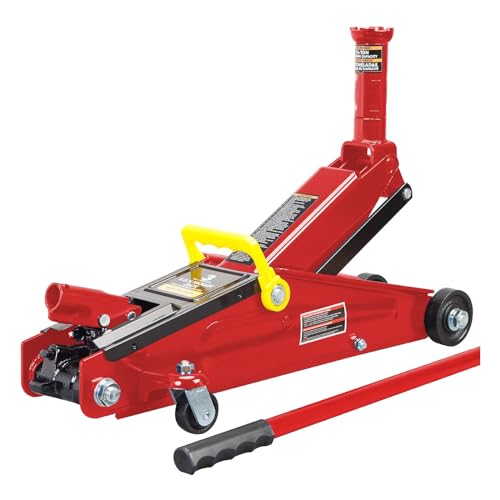
Ignoring this warning jeopardizes your control and safety. Prioritize regular maintenance and prompt inspection of the braking system to maintain peak function and liberation from unexpected breakdowns. If you need to lift your vehicle for brake system maintenance, using a low profile floor jack like the TONDA can help ensure safe and efficient access.
Engine Temperature Overheating Alarm

When the engine temperature warning light comes on, it signals that your engine is overheating, often due to low coolant, a faulty water pump, or radiator problems. You need to pull over safely and shut off the engine immediately to avoid severe damage like a blown head gasket. Addressing these causes quickly can prevent catastrophic failure and costly repairs.
Causes of Overheating
Although the engine temperature warning light alerts you to overheating, understanding its causes helps you address the problem promptly. Overheating stems from critical mechanical failures or neglect. Key causes include:
- Low coolant levels: Insufficient coolant impairs heat dissipation, elevating engine temperature rapidly.
- Malfunctioning thermostat or water pump: These components regulate coolant flow; failure stops circulation, causing overheating.
- Radiator issues: Blockages or leaks reduce cooling efficiency, risking catastrophic engine damage like a blown head gasket or total engine failure.
Ignoring overheating leads to severe damage, so regular maintenance—checking coolant levels and radiator function—is essential. By grasping these causes, you can act decisively to prevent expensive repairs and maintain your vehicle’s freedom and reliability. For those working on their vehicles, understanding load-bearing requirements is crucial when using foundation jacks to safely support your car during cooling system repairs.
Immediate Safety Measures
Recognizing the engine temperature warning light signals an urgent need to act immediately to protect your vehicle. When the dashboard warning for the engine temperature light illuminates, you must pull over safely to prevent catastrophic damage from an overheating engine. Turn off the engine promptly to halt further heat buildup. Avoid driving with the red oil light or any other vital warnings active, and check the brake fluid as part of your safety routine. After the engine cools, inspect coolant levels and look for leaks before restarting. Regular maintenance is essential to prevent overheating issues and maintain safe engine operation. Responding swiftly to these warnings guarantees you liberate yourself from costly repairs and maintain reliable vehicle performance.
Transmission Temperature Warning Light
If your Transmission Temperature Warning Light comes on, it signals that the transmission fluid temperature has risen beyond safe levels, risking severe damage to your vehicle's transmission system. This illuminated warning on your dashboard demands immediate car trouble attention to prevent transmission failure. Here’s what you should do:
- Stop driving immediately to avoid further overheating and costly repairs.
- Check fluid levels and quality; low or degraded transmission fluid often causes this warning.
- Arrange for regular maintenance to replace old fluid and inspect components, preventing overheating.
Ignoring this warning light compromises your transmission’s integrity, leading to severe mechanical damage. By acting promptly, you maintain control over your vehicle’s health and avoid expensive downtime, ensuring your freedom on the road.
Airbag System Malfunction Light
While addressing transmission issues is essential to maintaining your vehicle’s performance, you shouldn’t overlook the Airbag System Malfunction Light. This airbag warning, often depicted as a person with a deployed airbag, signals a system malfunction that demands immediate inspection. Ignoring it introduces a critical safety risk by potentially disabling airbag deployment during a collision, directly compromising passenger safety. Common causes include faulty sensors, connection failures, or module defects—issues that require professional diagnostics for accurate identification and repair. Promptly addressing this warning guarantees your airbag system functions correctly and aligns with safety standards. Don’t delay—treat the Airbag System Malfunction Light as an urgent alert to maintain your vehicle’s protective integrity and secure your freedom on the road.
 7 Reasons Dashboard Lights Appear and Car Won’t Start
Brake Pad Wear Warning Light
The Brake Pad Wear Warning Light, displayed as a red brake pad icon, signals that your brake pads have worn down to a critical level requiring immediate replacement. Ignoring this warning risks brake failure, compromising your safety and leading to costly repairs. Your vehicle’s sensors trigger this light to prompt regular inspection and timely maintenance.
To maintain peak braking performance and avoid extended stopping distances, act promptly:
- Schedule immediate attention when the brake pad wear warning light illuminates.
- Replace worn brake pads to restore braking efficiency and prevent rotor damage.
- Follow a regular inspection routine, typically every 30,000 to 70,000 miles, tailored to your driving habits.
Responding quickly safeguards your liberation on the road by ensuring reliable, safe braking.
Frequently Asked Questions
What Is the Most Serious Warning Light on a Car?
You should prioritize oil pressure and brake system warnings—they signal critical engine and safety failures. Battery warning, coolant temperature, engine check, ABS, airbag, tire pressure, fuel level, and maintenance reminders matter but aren’t always immediately urgent.
What Is the Master Warning ⚠?
Think of the master warning ⚠ as your car’s urgent messenger. Its significance lies in interpreting dashboard alert meanings and car warning symbols. Understanding this icon helps you troubleshoot car issues and maintain safety through effective vehicle maintenance tips.
What Does a Transmission Warning Light Look Like?
You’ll spot a transmission warning light as a gear-shaped dashboard symbol, often red or amber, signaling shifting issues or low transmission fluid. Ignoring it risks vehicle performance; schedule a mechanic inspection for diagnostic trouble and car safety.
What Is the Malfunction Symbol on a Car?
You’ll recognize the malfunction indicator by its engine silhouette on your dashboard warning. It signals engine performance or sensor issues, guiding your car diagnostics, vehicle maintenance, troubleshooting steps, repair solutions, and warning light meanings through precise information and colors.
Final Thoughts
If you ignore dashboard warning lights, you’re not alone—studies show 60% of drivers delay addressing critical alerts, risking severe damage. When you see the red oil pressure light, check engine light with critical codes, or battery warning, act immediately to prevent costly repairs. Understanding these signals helps you respond swiftly, ensuring safety and vehicle longevity. Don’t wait—recognize these urgent indicators and get professional help right away to avoid breakdowns.
 Dashboard Warning Light Symbols and Their Meanings
Reliable Floor Jacks on a Budget: Best Picks for Under $150
Top-Rated Floor Jacks Over $100: Built for Professionals, Priced for Smart Buyers
If you want to know other articles similar to What Dashboard Lights Mean Immediate Car Trouble? you can visit the Dashboard Warning Light Guide category.
Why Do Hybrid Car Dashboard Lights Turn On?

7 Best Fixes for Dashboard Lights After Oil Change

Why Does the Battery Warning Light Appear?

Dashboard Warning Light Symbols and Their Meanings

7 Reasons Dashboard Lights Appear and Car Won’t Start

How to Decode Dashboard Warning Lights

10 Best Dashboard Warning Lights to Check Before Inspection

Why Are Red Dashboard Warning Lights On?
Leave a Reply
This is also interesting