












7 Reasons Dashboard Lights Appear and Car Won’t Start


If your dashboard lights come on but your car won’t start, it usually points to a weak or dead battery, faulty starter motor, or ignition switch problems.
It could also stem from fuel delivery issues, a failing alternator, security system malfunctions, or wiring and electrical faults disrupting proper voltage and signals.
Ensuring accurate diagnosis is key, and understanding these causes will help you identify the right solution to get your vehicle running smoothly again.
Table
Main Points
- A dead or weak battery causes dashboard lights to appear but prevents the engine from starting due to insufficient power.
- Faulty alternators trigger battery warning lights and fail to charge the battery, leading to starting issues.
- Starter motor problems cause clicking sounds or silence despite dashboard lights, indicating failure to engage the engine.
- Ignition switch faults allow dashboard illumination but disrupt the electrical connection needed to start the car.
- Fuel system failures prevent engine ignition even with dashboard lights on, often due to fuel pump or filter issues.
Dead or Weak Battery

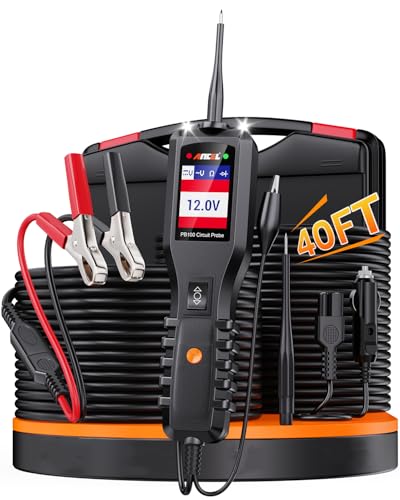
If your car won't start and the dashboard lights appear dim, a dead or weak battery is often the culprit. When the battery voltage drops below operational levels, electrical components respond sluggishly, and you might hear a clicking sound as the starter motor fails to engage fully. This clicking often signals insufficient power to crank the engine. Diagnostic trouble codes like P0562 or P0563 can confirm voltage irregularities through a scanner. You can temporarily revive your vehicle by jump-starting, but persistent issues usually indicate battery degradation. Prioritize battery maintenance—clean terminals and monitor electrolyte levels—to prevent failure. By understanding these symptoms and acting promptly, you gain control over your vehicle’s reliability, avoiding the frustration of unexpected stalls caused by a compromised battery. Investing in a reliable battery tester can help you quickly assess battery health and prevent unexpected breakdowns.
Faulty Starter Motor

If you hear a clicking or no sound when turning the key, your starter motor may be failing. You can test it by tapping the motor while attempting to start the engine, which might temporarily help if it’s stuck. If symptoms persist, replacing the starter motor and inspecting the relay and wiring are necessary steps to restore reliable starting.
Starter Motor Symptoms
A faulty starter motor directly affects your vehicle's ability to crank the engine, often producing distinctive symptoms such as a clicking sound, a whirring noise, or complete silence when you turn the key. Recognizing starter motor symptoms can help you diagnose why your car won't start even when dashboard lights come on. Use an OBD2 scanner to check for codes like P0606, P1682, or P3000, indicating a faulty starter or related electrical issues. Inspect the starter relay and wiring for faults, as these can also disrupt starting. Key symptoms include:
- Repeated clicking sound without engine turnover.
- Whirring noise without engine engagement.
- Total silence when attempting to start.
Regular maintenance can prevent sudden failure, but if symptoms persist, replacement is necessary.
 Dashboard Warning Light Symbols and Their Meanings
Replacement and Repair
When your starter motor fails to engage despite proper voltage and relay function, you'll need to proceed with repair or replacement to restore engine starting capability. First, verify voltage at the starter during ignition; a significant drop signals a malfunction. Inspect the starter relay and wiring thoroughly, as faults here can mimic starter motor failure. If tapping the starter doesn’t produce engagement, replacement is generally necessary. Confirm your battery delivers adequate voltage, as low power can complicate diagnosis. Replacing the faulty starter motor involves disconnecting wiring, removing the defective unit, and installing a new one matched to your car’s specifications. Proper repair or replacement not only resolves the no-start condition but also extinguishes dashboard lights triggered by starter issues, liberating you from recurring ignition failures and guaranteeing reliable engine startup.
Ignition Switch Issues

Although the dashboard lights may illuminate, the ignition switch can still prevent your vehicle from starting due to internal faults. The ignition switch is integral to the vehicle starting system, and issues here often cause intermittent starting or a stalling engine. To diagnose ignition switch problems, focus on these three points:
- Inspect for physical damage and verify the ignition lock cylinder properly engages the switch.
- Monitor for diagnostic trouble codes like P1682, P1601, and B1342, which indicate ignition switch faults.
- Note symptoms: dead silence when turning the key or inconsistent starting behavior.
If these signs persist, replacing the ignition switch will restore proper function and liberation from starting problems. Addressing this promptly safeguards your vehicle’s reliability.
Fuel System Problems

If you've ruled out ignition switch faults but your engine still won't start despite the dashboard lights coming on, the issue may lie within the fuel system. Fuel system problems often manifest as engine cranking without ignition, engine stalling, or no fuel smell. Insufficient fuel supply, usually caused by a faulty fuel pump or a clogged fuel filter, restricts fuel flow necessary for combustion. A malfunctioning fuel pump fails to deliver fuel, causing starting issues, while a clogged fuel filter blocks fuel passage and demands timely replacement. To diagnose accurately, scan your vehicle with an OBD2 device; diagnostic trouble codes like P0171, P0174, and P0087 pinpoint fuel delivery faults. Addressing these elements liberates you from frustrating no-start scenarios and restores reliable engine operation.
Faulty Alternator

If your dashboard shows a battery warning light or your headlights dim while driving, your alternator might be failing. You’ll want to test its output with a multimeter, which should read between 13.8 and 14.2 volts when the engine runs. Anything lower signals a problem that could prevent your car from starting due to insufficient battery charge.
Alternator Symptoms Overview
Three key indicators can help you identify a faulty alternator: the battery warning light illuminating on your dashboard, dimming headlights, and flickering electrical components. These symptoms signal charging issues that demand immediate attention. Watch for:
- Battery warning light glowing steadily, pointing to alternator or drive belt malfunction.
- Dimming headlights and flickering dashboard lights, revealing insufficient power supply.
- Electrical problems escalating, including a drained battery due to a failing alternator.
Regularly inspect the alternator’s drive belt for looseness or damage, since a malfunctioning belt disrupts charging. Recognizing these symptoms lets you act decisively, preventing complete battery failure and loss of vehicle power. Your vehicle’s electrical health hinges on a well-functioning alternator—don’t ignore these critical dashboard lights and symptoms.
Testing Alternator Output
Although the alternator plays a crucial role in maintaining your vehicle's electrical system, you should verify its output to confirm proper function. Use a multimeter to measure voltage at the battery terminals while the engine runs. A healthy alternator produces 13.8 to 14.4 volts. Voltage below 13.8 volts signals faulty output, causing symptoms like dim dashboard lights, electrical issues, and starting failure. Also, inspect the drive belt for damage or looseness to prevent alternator failure. Here's a quick reference for your testing:
 Why Does the Battery Warning Light Appear?
| Voltage Range (V) | Status | Common Symptoms |
|---|---|---|
| 13.8 – 14.4 | Normal Output | Stable dashboard lights |
| < 13.8 | Low Output | Battery warning light |
| < 12.0 | Battery Discharge | Car won’t start |
| > 14.4 | Overcharging Risk | Electrical issues |
Test regularly to liberate yourself from unexpected breakdowns. For tools like a multimeter or reliable safety features, referring to automotive equipment suppliers can improve your testing accuracy and personal safety.
Security System Malfunction
A malfunctioning security system can prevent your car from starting, often signaled by a flashing security light on the dashboard. This no-start condition occurs because the system may disable the starter or block fuel delivery to protect your vehicle. To identify and resolve the issue, consider these steps:
- Check the key fob for battery or signal problems, as a faulty fob can trigger the immobilizer.
- Try using a spare key to determine if the primary key's transponder is malfunctioning.
- Consult your owner’s manual to reset the security system, which often restores normal function.
Wiring and Electrical Issues
Sometimes, wiring and electrical issues cause dashboard lights to flicker and prevent your car from starting. Wiring issues often result in inconsistent voltage reaching the starting system, leading to electrical problems and failure to start. Corroded wiring or damaged connections disrupt the flow, making it crucial to inspect and maintain secure connections free of corrosion. Blown fuses associated with the starting system can also interrupt electrical flow, causing your ignition to remain unresponsive. Because these problems can be intermittent and difficult to detect, professional diagnostics are often necessary to pinpoint the root cause accurately. Seeking professional advice guarantees thorough evaluation and repair, restoring reliable electrical performance and freeing you from frustrating start-up failures caused by hidden wiring faults.
Frequently Asked Questions
Why Wont My Car Start but the Dash Lights Come On?
You might face battery issues, ignition problems, or fuel supply interruptions. Starter motor faults, electrical faults, wiring damage, or key fob malfunctions can cause this. Check diagnostic codes and safety features to pinpoint engine failure causes.
Why Wont My Car Start but the Dashboard Lights Flicker?
Did you know 70% of no-start cases involve battery issues? Flickering dashboard lights often signal starter problems, ignition failure, electrical shorts, or wiring faults. Check fuel pump, key fob, alternator health, engine overheating, and safety features to free your ride.
Will a Bad Alternator Cause All Dash Lights to Come On?
Yes, alternator failure often triggers all dash warning lights due to battery issues and electrical system faults. Use diagnostic tools and follow troubleshooting steps promptly for effective car maintenance, ensuring charging system health and vehicle safety during starting problems.
Why Did All My Dash Lights Come on and My Car Died?
Your car died and dash lights came on due to battery failure, ignition issue, or electrical short. Check for fuel problems, starter malfunction, bad wiring, sensor failure, voltage drop, relay fault, or connection issues disrupting power flow.
Final Thoughts
Think of your car as a complex orchestra, where every component must play its part perfectly. When dashboard lights glow but the engine won’t start, it’s like a misplayed note disrupting the symphony. By pinpointing issues—from a weak battery to wiring faults—you can restore harmony and get your vehicle running smoothly again. Address these technical cues promptly, and you’ll guarantee your car performs reliably, avoiding unexpected breakdowns and costly repairs.
 7 Best Fixes for Dashboard Lights After Oil Change
Reliable Floor Jacks on a Budget: Best Picks for Under $150
Top-Rated Floor Jacks Over $100: Built for Professionals, Priced for Smart Buyers
If you want to know other articles similar to 7 Reasons Dashboard Lights Appear and Car Won’t Start you can visit the Dashboard Warning Light Guide category.
Why Do Hybrid Car Dashboard Lights Turn On?

7 Best Fixes for Dashboard Lights After Oil Change

Why Does the Battery Warning Light Appear?

Dashboard Warning Light Symbols and Their Meanings

How to Decode Dashboard Warning Lights

What Dashboard Lights Mean Immediate Car Trouble?

10 Best Dashboard Warning Lights to Check Before Inspection

Why Are Red Dashboard Warning Lights On?
Leave a Reply
This is also interesting