










Why Do Hybrid Car Dashboard Lights Turn On?


When your hybrid car’s dashboard lights turn on, it usually signals issues like a blown fuse, inverter malfunction, degraded battery cells, or a failing 12-volt battery affecting system performance.
Yellow lights warn of minor problems you should monitor, while red lights demand immediate attention to avoid severe damage or limp mode.
Ignoring these warnings risks costly repairs and reduced efficiency.
Understanding these signals helps you take precise action—explore further to grasp their impact and proper troubleshooting steps.
Table
- Main Points
- Common Causes of Hybrid Dashboard Warning Lights
- Understanding the Severity Indicated by Warning Light Colors
- Impact of Hybrid System Issues on Vehicle Performance
- Immediate Actions to Take When Dashboard Lights Illuminate
- Diagnosing Hybrid System Problems With Professional Tools
- Preventive Maintenance to Avoid Dashboard Warning Lights
- Frequently Asked Questions
- Final Thoughts
Main Points
- Hybrid dashboard lights often turn on due to battery issues like blown fuses, faulty cells, or inverter malfunctions.
- Yellow lights indicate minor problems needing monitoring, while red lights signal urgent hybrid system failures requiring immediate attention.
- A failing 12-volt battery can trigger hybrid warning lights by mimicking hybrid system errors.
- Restarting the vehicle can reset temporary glitches, but persistent lights need professional hybrid system diagnostics.
- Ignoring hybrid warning lights risks reduced power, limp mode activation, and costly repairs to the hybrid drivetrain.
Common Causes of Hybrid Dashboard Warning Lights

When your hybrid car's dashboard warning lights turn on, they often indicate specific technical issues that require immediate diagnosis. The hybrid system warning light can illuminate due to several common causes. A blown fuse may disrupt power flow to the hybrid battery pack, impairing overall performance. A malfunctioning inverter is another critical factor, reducing power output and efficiency, signaling urgent attention. Faulty or degraded battery cells also trigger dashboard warning signals by diminishing hybrid functionality. Additionally, a failing 12-volt battery can mimic hybrid system errors, activating warning lights despite healthy hybrid components. Mechanical faults within the hybrid system further contribute to warning light activation, demanding a thorough inspection. Prompt battery repair and inverter assessment are essential to restore your vehicle’s ideal performance and guarantee your liberation from persistent dashboard warnings.
Understanding the Severity Indicated by Warning Light Colors

When a yellow warning light appears, it signals a minor issue that needs your attention but doesn't require immediate action. In contrast, a red light indicates a critical problem demanding you to stop the vehicle and address the issue promptly. Recognizing these colors helps you prioritize your response to protect your hybrid system and maintain safety.
Yellow Light Meaning
A yellow warning light on your hybrid car’s dashboard signals a minor issue requiring your attention, such as a software glitch or a system malfunction. Yellow warning lights act as cautionary indicators, prompting you to monitor your hybrid vehicle’s systems closely. While immediate action isn’t mandatory, ignoring these signals can escalate problems, possibly triggering the check engine light or causing your vehicle to rely more on the gas engine, reducing fuel efficiency. To interpret the specific meaning of a yellow warning light, consult your owner’s manual, which provides detailed diagnostics tailored to your hybrid model. Addressing these alerts promptly empowers you to maintain peak vehicle performance and avoid costly repairs, preserving your freedom from unexpected breakdowns and inefficiencies.
 Toyota Corolla Dashboard Warning Lights Explained
Red Light Significance
Red warning lights on your hybrid car's dashboard signal critical issues that demand your immediate attention to prevent severe damage. These red warning lights typically indicate urgent malfunctions within the hybrid system or safety-related problems requiring prompt action. Ignoring them risks hybrid system failure and forces reliance solely on the gasoline engine, compromising efficiency and safety. When you see a red warning light, you must safely pull over and stop the vehicle to avoid exacerbating the problem. The owner's manual provides essential, model-specific information to diagnose the issue’s severity and guide your next steps. Recognizing the gravity of red warning lights empowers you to respond decisively, preserving your vehicle’s integrity and your freedom on the road.
Action Based on Color
Although dashboard warning lights come in various colors, their hue directly reflects the urgency of the issue detected in your hybrid vehicle. You must interpret these dashboard indicators precisely to maintain safety and prevent damage. For example, a yellow "Check Hybrid System" light signals a minor malfunction requiring timely attention, while a red light demands immediate action to avoid critical failure or activation of limp mode.
| Warning Light Color | Recommended Action |
|---|---|
| Yellow | Schedule maintenance soon; monitor system |
| Red | Pull over immediately; seek professional repair |
| Flashing Red | Stop driving; risk of severe hybrid system damage |
Understanding these warning lights empowers you to act decisively, ensuring your hybrid electric vehicle operates reliably and safely.
Impact of Hybrid System Issues on Vehicle Performance

When the hybrid system warning light turns on, you’ll likely notice reduced power output and slower acceleration as the vehicle shifts reliance away from the electric motor. This shift increases fuel consumption, causing a measurable decline in fuel economy. Addressing these issues promptly is essential to maintain peak vehicle performance and prevent further system degradation.
Reduced Power Output
If your hybrid system warning light comes on, you might notice a significant drop in power output that forces the vehicle to rely solely on its gasoline engine. This reduced power output stems from hybrid system malfunctions—often linked to inverter failures—that compromise the electric motor’s contribution. As a result, your vehicle may enter a “limp mode,” limiting acceleration and speed to protect critical components. You might also detect unusual noises or vibrations, signaling deeper mechanical issues. Ignoring the warning light risks exacerbating these problems, leading to costly repairs and further performance degradation. Employing advanced diagnostic tools promptly helps identify the root cause, restoring ideal hybrid functionality. By addressing hybrid system issues swiftly, you reclaim your vehicle’s full power potential and maintain the freedom to drive efficiently and confidently.
Fuel Economy Decline
Beyond reduced power output, hybrid system issues directly affect your vehicle's fuel economy by forcing it to rely more on the gasoline engine. When the hybrid system warning light activates, it signals malfunctions often tied to the high-voltage battery or inverter. A failing battery impairs charge retention, reducing electric assist and increasing gasoline consumption, thereby decreasing miles per gallon. Similarly, inverter faults limit power conversion efficiency, causing higher fuel usage to maintain performance. This shift away from electric propulsion not only diminishes fuel economy but also escalates your operational costs. If ignored, these issues can cause the system to default entirely to gasoline power, severely undermining efficiency. Monitoring and addressing hybrid system warning light alerts promptly helps preserve ideal fuel economy and liberates you from unnecessary expenses.
Immediate Actions to Take When Dashboard Lights Illuminate

Stay calm and immediately evaluate the dashboard light's color and message to determine the issue's severity. When a warning light comes on, check if it’s yellow or red—yellow signals a minor issue, while red demands urgent attention. If a battery warning or hybrid system alert appears, safely pull over to prevent damage and avoid relying solely on the gasoline engine, which compromises fuel efficiency. Restart the vehicle to reset temporary glitches, but if lights persist, don’t ignore them. Check for multiple alerts that may indicate interconnected problems. Promptly consulting a hybrid specialist guarantees accurate diagnosis and repair. Acting decisively safeguards your vehicle’s performance and your freedom on the road, preventing minor faults from escalating into critical failures.
Diagnosing Hybrid System Problems With Professional Tools

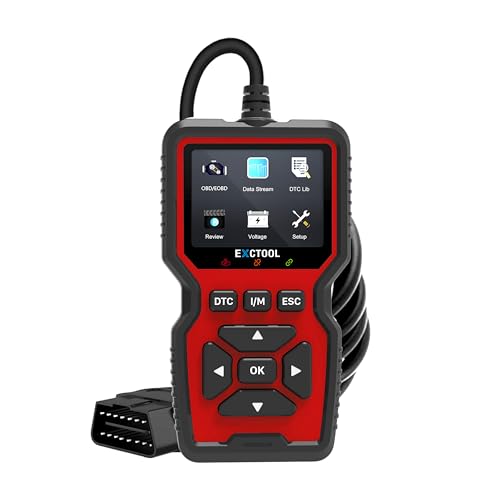
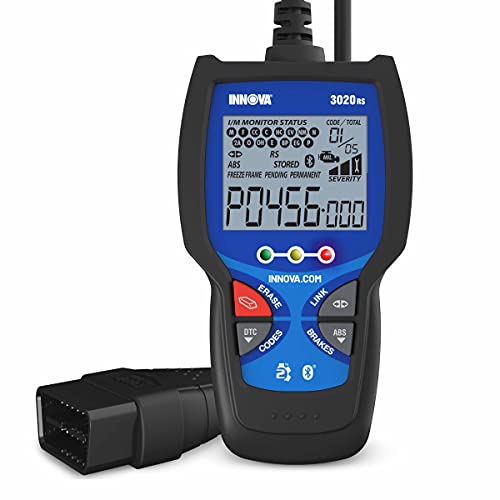
Recognizing dashboard warnings is only the initial step in resolving hybrid system issues. To accurately diagnose these problems, you need professional diagnostic tools that interface directly with the hybrid system’s ECU. These tools extract error codes pinpointing specific faults triggering warning lights. They also assess the high-voltage battery's condition and test inverter functionality, essential for hybrid performance. Advanced scanners detect software glitches and communication failures between vehicle subsystems, which standard checks might miss. Electrical anomalies like blown fuses or weak auxiliary batteries also emerge through routine diagnostics. Relying on professional assessments guarantees you get precise, actionable insights, enabling targeted repairs that prevent system degradation. By embracing these technologies, you liberate yourself from guesswork and maintain your hybrid’s safety and efficiency with confidence and control.
 Why Are Red Dashboard Warning Lights On?
Preventive Maintenance to Avoid Dashboard Warning Lights
Although dashboard warning lights provide critical alerts, you can often prevent them through diligent preventive maintenance. Staying proactive helps you avoid unexpected failures and maintain your hybrid vehicle's reliability. Focus on these key steps:
Prevent dashboard warnings with proactive maintenance to ensure your hybrid’s reliability and avoid unexpected issues.
- Follow manufacturer guidelines for routine checks, including oil changes and fluid inspections, to keep systems running smoothly.
- Protect the hybrid battery from extreme temperatures, preventing performance degradation and warning light activation.
- Regularly update your vehicle’s hybrid system software to fix bugs and enhance functionality.
- Use high-quality diagnostic tools for precise assessments of wiring, connectors, and hybrid components, enabling timely repairs before issues escalate.
- To ensure your battery is in good health and avoid surprise failures, consider using accurate battery testing devices that provide reliable diagnostics for hybrid and conventional vehicles.
Frequently Asked Questions
Why Do All My Dashboard Lights Come on Randomly?
You’re experiencing dashboard light malfunctions likely due to electrical system issues affecting battery performance indicators and hybrid system alerts. Understanding warning light meanings helps you diagnose systemic faults and regain control over your vehicle’s functionality.
Is It Safe to Drive With a Hybrid System Warning Light On?
Imagine ignoring a smoke alarm; driving with a hybrid system warning light risks unseen damage. For safe driving, follow maintenance tips and troubleshooting steps immediately—don’t risk your freedom or your hybrid’s essential performance.
What Causes Dashboard Lights to Go on and Off?
You’ll see dashboard light meanings fluctuate due to hybrid battery issues, electrical system faults, or warning light resets. Regular maintenance reminders prevent erratic signals, ensuring you liberate yourself from unexpected breakdowns and maintain system efficiency.
Why Do All Dash Lights Come on When Starting Car?
When you start your hybrid vehicle, all dashboard lights illuminate during the ignition cycle process to test car electrical systems. This brief self-check reveals dashboard light meanings and warning light functions, ensuring hybrid vehicle indicators work properly.
Final Thoughts
When your hybrid car’s dashboard lights gently nudge your attention, it’s a subtle reminder that your vehicle’s intricate systems deserve prompt consideration. These signals, varying in urgency, help you navigate potential inefficiencies before they escalate. By addressing these indicators with timely diagnostics and preventive care, you maintain peak performance and extend your hybrid’s longevity. Staying attentive guarantees your driving experience remains smooth, efficient, and free from unexpected interruptions.
 10 Best Dashboard Warning Lights to Check Before Inspection
Reliable Floor Jacks on a Budget: Best Picks for Under $150
Top-Rated Floor Jacks Over $100: Built for Professionals, Priced for Smart Buyers
If you want to know other articles similar to Why Do Hybrid Car Dashboard Lights Turn On? you can visit the Dashboard Warning Light Guide category.
7 Best Fixes for Dashboard Lights After Oil Change

Why Does the Battery Warning Light Appear?

Dashboard Warning Light Symbols and Their Meanings

7 Reasons Dashboard Lights Appear and Car Won’t Start

How to Decode Dashboard Warning Lights

What Dashboard Lights Mean Immediate Car Trouble?

10 Best Dashboard Warning Lights to Check Before Inspection

Why Are Red Dashboard Warning Lights On?
Leave a Reply
This is also interesting