










How to Identify a Failing Car Radiator


You can identify a failing car radiator by watching your engine’s temperature gauge for spikes above 220 °F or warning lights signaling overheating.
Check for brightly colored coolant puddles or a sweet smell, indicating leaks.
Inspect the radiator for visible cracks, corrosion, or clogged fins restricting flow.
Listen for hissing or gurgling noises suggesting coolant escape.
Poor cabin heating also points to circulation issues.
If you want to understand all signs and related components, keep exploring further details.
Table
- Main Points
- Signs of Engine Overheating
- Detecting Coolant Leaks
- Identifying Discolored or Sludgy Coolant
- Inspecting for Damaged or Clogged Radiator Fins
- Recognizing Unusual Smells From the Cooling System
- Monitoring Warning Lights and Temperature Gauge
- Noticing Unusual Noises From the Radiator Area
- Evaluating Poor Heating Performance in the Cabin
- Checking for Visible Cracks and Corrosion on the Radiator
- Assessing Related Cooling System Components
- Frequently Asked Questions
- Final Thoughts
Main Points
- Look for coolant leaks or brightly colored fluid pooling beneath the vehicle near the radiator area.
- Check the radiator for visible cracks, corrosion, bubbling seams, or hairline fractures.
- Observe if the engine temperature gauge frequently spikes above the normal range (195–220 °F).
- Notice if the cabin heater produces poor heat, indicating restricted coolant flow through the radiator.
- Listen for hissing or bubbling noises from the radiator area, signaling coolant boiling or escaping air.
Signs of Engine Overheating

Engine overheating is a critical symptom indicating a failing radiator or cooling system issue. You’ll first notice signs of overheating when the temperature gauge climbs into the yellow or red zone, signaling the engine's temperature is beyond safe limits—typically above 220 °F. The dashboard’s warning lights will activate, demanding immediate action. Persistent engine overheating escalates friction within internal components, risking severe damage or meltdown. While leaking coolant often accompanies such failures, focus here remains on temperature indicators and system alerts. Visible smoke from the engine compartment further confirms critical overheating. To free yourself from costly repairs, promptly recognize these signs and consult a professional mechanic for precise diagnostics. Managing your cooling system effectively guarantees your engine’s longevity and prevents catastrophic failure.
 Essential Maintenance Intervals for Your Car’s Cooling System
Detecting Coolant Leaks

How can you tell if your car's radiator is leaking coolant? Look for brightly colored fluid—green, orange, or pink—pooling beneath your vehicle; this is a clear sign something’s wrong. Regularly monitor coolant levels; needing frequent top-ups is a sign that your radiator or hoses may be compromised. Inspect the radiator closely for cracks, corrosion, or bubbling seams, all indicators of potential coolant leaks. If you detect a sweet, syrupy odor while driving or after parking, it signals escaping coolant, undermining the cooling engine process. A pressure test can precisely locate weak spots causing the leak. Since a coolant leak can cause the engine to overheat, it’s essential to act swiftly and seek consultation with a professional to prevent severe damage and restore your vehicle’s reliable cooling system.
Identifying Discolored or Sludgy Coolant

Noticing coolant leaks often leads to inspecting the fluid itself, where color and consistency provide valuable diagnostic clues. When you observe discolored coolant—shifting from bright fluorescent hues like green or pink to rusty brown or a thick, sludgy texture—you’re witnessing contamination that directly impairs radiator performance. This degradation often stems from rust, oil, or debris mixing with the coolant, causing sludge buildup that restricts flow. Such blockages elevate overheating risks by reducing the system’s ability to dissipate heat efficiently. Regularly checking the coolant appearance in the overflow tank is essential; early detection of rusty or sludgy fluid lets you address problems before severe engine damage occurs. By monitoring coolant condition precisely, you gain control over your vehicle’s cooling health and avoid costly failures.
Inspecting for Damaged or Clogged Radiator Fins

Although radiator fins are small and delicate, their condition plays a critical role in your vehicle's cooling efficiency. Inspect the radiator fins closely for damage such as bends or missing sections, which reduce airflow and impair heat dissipation. Clogged fins, often caused by dirt, debris, or corrosion, restrict airflow and can lead to overheating. This compromises the cooling system’s ability to regulate engine temperature effectively. To maintain peak performance, gently spray the fins with a garden hose to remove obstructions—avoid high-pressure water that could worsen damage. Routinely checking that fins remain straight and free of physical obstructions is essential to prevent overheating and protect your engine. Remember, preserving the integrity of radiator fins directly supports the longevity and reliability of your vehicle’s cooling system.
Recognizing Unusual Smells From the Cooling System

Why might you detect a sweet or syrupy odor near your vehicle’s engine? Such unusual smells often signal a coolant leak, a critical radiator symptom. When the radiator is leaking, coolant escapes, compromising the system’s ability to regulate engine temperature. You may notice this odor more while driving or just after parking, indicating active leakage. Ignoring these signs puts you at risk for an overheating engine, which can cause severe engine damage. Recognizing and responding promptly to these unusual smells allows you to inspect the radiator and associated components immediately. By addressing a coolant leak early, you prevent escalation of damage and maintain your vehicle’s cooling system integrity, ensuring your freedom on the road without unexpected breakdowns.
Monitoring Warning Lights and Temperature Gauge
You need to keep a close eye on your dashboard warning indicators, as they signal overheating or cooling system malfunctions. The temperature gauge normally stays between 195–220 °F (91–104 °C), so any sudden spikes or shifts into the yellow or red zones demand immediate action. Ignoring these fluctuations can lead to severe engine damage, making prompt response critical.
Dashboard Warning Indicators
How can you quickly determine if your car’s radiator is failing while driving? Pay close attention to your dashboard warning lights, which serve as your first line of defense against engine overheating and coolant leaks. If the coolant temperature warning light activates, it signals a critical issue with the radiator or cooling system that demands immediate action. Simultaneously, monitor the temperature gauge; a steady rise toward the red zone confirms radiator failure or coolant circulation problems. These indicators aren’t just alerts—they’re precise diagnostics guiding you to prevent catastrophic engine damage. By actively watching these dashboard warning lights and the temperature gauge, you gain the power to intervene early, protecting your vehicle’s integrity and avoiding costly repairs. Don’t ignore these signals; your engine’s health depends on your vigilance.
Temperature Gauge Fluctuations
Dashboard warning lights provide immediate alerts, but the temperature gauge offers continuous, real-time insight into your engine’s thermal condition. When you notice fluctuations or a rise into the yellow or red zone on the temperature gauge, it signals overheating and possible radiator issues. Inconsistent coolant flow often causes these fluctuations, hinting at failing thermostats or compromised cooling system components. Ignoring these signs risks severe engine damage. Immediate attention to warning lights and gauge spikes prevents costly repairs. Choosing the right radiator for your vehicle is just as crucial as selecting quality floor jacks for safe and reliable maintenance.
| Gauge Reading | Possible Cause | Risk Level |
|---|---|---|
| Normal (195–220 °F) | Ideal coolant flow | Low |
| Fluctuating | Thermostat failure | Moderate |
| Yellow Zone | Radiator blockage | High |
| Red Zone | Critical overheating | Severe engine damage |
Noticing Unusual Noises From the Radiator Area
Several distinct noises emanating from the radiator area can signal critical issues within your vehicle’s cooling system. If you notice unusual noises such as hissing or gurgling, coolant or air may be escaping, indicating leaks that demand immediate repair to prevent overheating. Persistent bubbling suggests boiling coolant, often caused by a failing radiator or thermostat malfunction. Clattering or rattling sounds point to loose components or debris trapped in the fins, obstructing airflow and reducing cooling efficiency. Whining noises often stem from water pump problems, disrupting coolant circulation and risking engine damage. Ignoring these auditory warnings lets minor radiator faults escalate, compromising your engine’s integrity. By paying attention to unusual noises near the radiator area, you safeguard your vehicle against overheating and costly repairs.
 Why Should You Regularly Flush Your Coolant System?
Evaluating Poor Heating Performance in the Cabin
Beyond unusual noises, poor heating performance inside your vehicle often signals issues with the radiator's ability to circulate hot coolant effectively. When you notice that the cabin heating struggles to reach desired warmth despite adjusting controls, suspect compromised coolant circulation. Radiator issues such as leaks or clogs disrupt the essential flow of hot coolant needed for efficient heating system operation. Additionally, a malfunctioning thermostat can restrict coolant movement, further diminishing radiator functionality and resulting in inadequate cabin warmth. To liberate yourself from discomfort, regularly inspect both the radiator and thermostat to guarantee peak performance. Identifying and addressing these problems early preserves the heating system’s integrity, preventing escalation and ensuring consistent heating performance within your vehicle’s interior.
Checking for Visible Cracks and Corrosion on the Radiator
How can you be certain your radiator isn’t suffering from hidden damage? Begin by conducting thorough inspections for visible cracks, as even hairline fractures can cause coolant leaks, leading to overheating and potential engine damage. Use a flashlight to examine the radiator behind the grill, since damage often hides from a frontal view. Pay close attention to seams and joints where corrosion or rust commonly forms, weakening the radiator’s structure. Also, check the coolant reservoir for discoloration, which signals rusty coolant circulation due to radiator corrosion. Performing monthly inspections lets you detect visible cracks and corrosion early, preventing extensive repairs. Staying vigilant guarantees your radiator maintains its integrity, safeguarding your engine’s performance and freeing you from avoidable mechanical failures.
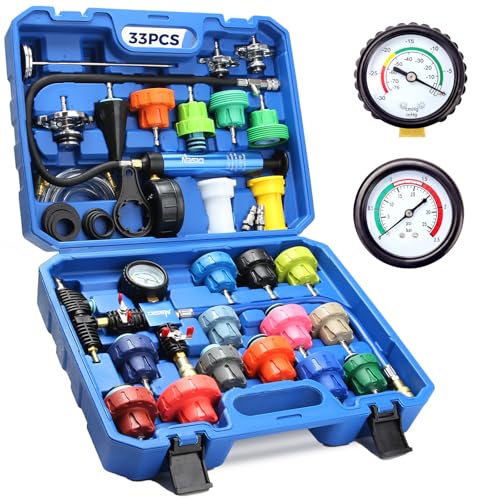
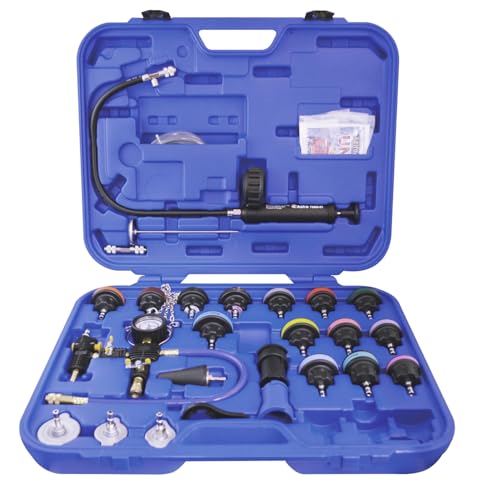
A thorough radiator assessment requires evaluating related cooling system components to guarantee peak performance. Begin by inspecting radiator hoses for signs of corrosion, cracks, or bulges, as compromised hoses can cause low coolant levels and leaks. Use a pressure tester and coolant dye kit to detect hidden leaks that lead to engine overheating. Check the cooling system pressure cap after the engine cools; a faulty cap disrupts pressure, impairing coolant flow. Observe the water pump’s operation by verifying coolant circulation at startup—no movement signals pump failure. Confirm the radiator cooling fan activates when the engine warms to prevent overheating during idle. Additionally, watch for signs of a faulty head gasket, such as coolant contamination or external leaks. If any issues arise, consult a repair specialist immediately to restore your cooling system’s integrity.
Frequently Asked Questions
How Do You Tell if You Have a Bad Radiator?
You’ll notice engine overheating and fluctuating radiator temperature if the radiator pressure drops. Check coolant levels frequently and perform a visual inspection for leaks or corrosion. Follow maintenance tips to guarantee your radiator operates efficiently and liberates you from breakdowns.
How Do You Know if a Radiator Needs Replacing?
Wondering if your radiator needs replacement? Watch for radiator symptoms like overheating issues, coolant leaks, or poor heating. Perform diagnostic tests and follow maintenance tips to confirm replacement signs, ensuring your vehicle stays reliable and cool.
What 5 Types of Problems Can Be Observed on a Radiator?
You’ll notice radiator fluid leaks, an overheating engine, rust buildup, corroded connections, blocked passages, and air pockets causing cooling inefficiency. Identifying these issues lets you liberate your vehicle from severe damage and costly repairs.
Can a Radiator Be Bad Without Leaking?
You can experience radiator symptoms like overheating issues and poor coolant quality without leaks. Internal corrosion or blockages impact performance. Pressure testing reveals hidden faults, helping you liberate your vehicle from unnoticed radiator failures efficiently.
Final Thoughts
If you ignore the subtle signs of a failing radiator, your engine’s health could quickly spiral into chaos. You’ll want to catch issues like overheating, leaks, and corrosion early—think of your radiator as the heart of your cooling system, tirelessly working to keep everything flowing smoothly. By staying vigilant and inspecting these key indicators regularly, you can prevent costly breakdowns and guarantee your vehicle runs efficiently, no matter the road ahead.
 Coolant System Leak Repair Costs and Guide
Reliable Floor Jacks on a Budget: Best Picks for Under $150
Top-Rated Floor Jacks Over $100: Built for Professionals, Priced for Smart Buyers
If you want to know other articles similar to How to Identify a Failing Car Radiator you can visit the Coolant System Care category.
Top 10 Reasons Behind Coolant System Corrosion

How to Flush Your Car’s Radiator Efficiently

What Coolant Works Best for Older Car Engines?

Why Routine Fluid Changes Matter for Your Engine

How to Tell Your Coolant System Needs Attention

Coolant System Leak Repair Costs and Guide

Why Should You Regularly Flush Your Coolant System?

Essential Maintenance Intervals for Your Car’s Cooling System
Leave a Reply
This is also interesting