










What Coolant Works Best for Older Car Engines?


For older car engines, you want a traditional green antifreeze mixed 50/50 with distilled water to guarantee optimal corrosion protection and thermal stability.
Avoid modern OAT formulations, as they can damage vintage cooling systems through chemical reactions.
Regularly check and maintain coolant quality to prevent rust, overheating, and leaks.
Using the correct coolant not only preserves engine integrity but also extends system lifespan.
Exploring compatibility and advanced alternatives can further enhance your engine’s cooling performance.
Table
- Main Points
- Importance of Using the Right Coolant for Older Engines
- Differences Between Traditional and Modern Coolants
- Benefits of Green Conventional Antifreeze
- Overview of Waterless Coolant Options Like Evans
- Compatibility Considerations for Classic Car Cooling Systems
- How to Properly Mix and Dilute Antifreeze
- Signs Your Coolant Needs Replacement
- Environmental Impact of Antifreeze Disposal
- Recommended Brands and Where to Buy Them
- Maintenance Tips to Extend Cooling System Life
- Frequently Asked Questions
- Final Thoughts
Main Points
- Use traditional green ethylene glycol-based antifreeze with corrosion inhibitors suited for vintage engine materials to prevent rust and deposits.
- Mix coolant at a 50/50 ratio with distilled water for optimal heat transfer and freeze protection in older engines.
- Avoid mixing modern OAT or hybrid coolants with older antifreeze types to prevent harmful chemical reactions and corrosion.
- Replace coolant every 2-3 years or when brown discoloration, low specific gravity, or overheating occurs to maintain system integrity.
- Regularly inspect hoses, check coolant levels, and use manufacturer-recommended antifreeze to ensure engine reliability and prevent damage.
Importance of Using the Right Coolant for Older Engines

Although older engines often operate with open cooling systems prone to evaporation and heat loss, using the right coolant is critical to prevent overheating and guarantee reliable performance. You must select a coolant compatible with vintage engine materials to avoid corrosion and maintain system integrity. Traditional green antifreeze typically matches these requirements, providing effective corrosion inhibition. A precise 50/50 mix of antifreeze and distilled water optimizes thermal stability, preventing freezing or boiling. Regular maintenance, including coolant checks and changes every 2-3 years, is essential to avoid rust buildup in aging cooling components. Avoid mixing different antifreeze types, as chemical reactions can degrade the coolant and damage your engine. By adhering strictly to manufacturer coolant specifications, you safeguard your older engine's operation and extend its functional life.
Differences Between Traditional and Modern Coolants

You’ll notice traditional coolants rely on ethylene glycol with basic additives, while modern formulas incorporate advanced corrosion inhibitors tailored for aluminum components. Understanding corrosion protection methods is essential, as older coolants are more prone to causing deposits and rust. Also, mixing different coolant types can trigger chemical reactions that damage your engine, so compatibility is a key concern.
Composition and Additives
When selecting coolant for older engines, understanding the differences in composition and additives between traditional and modern formulations is crucial. Traditional coolants, primarily ethylene glycol-based, contain corrosion inhibitors and lubricants tailored to protect cast iron and copper components typical in older engines. Modern coolants use organic acid technology (OAT) or hybrid OAT, offering extended protection and preventing scaling and foaming in sealed, high-pressure systems. However, these may not suit older engines, potentially disrupting ideal coolant level stability. Additionally, propylene glycol in some traditional formulations reduces toxicity, enhancing environmental safety during leaks. Recognizing these compositional distinctions guarantees you maintain the correct coolant level without compromising engine integrity, aligning your choice with the specific chemical demands of older engine materials while promoting longevity and performance.
Corrosion Protection Methods
Because corrosion can severely damage engine components, selecting the right coolant for your older car hinges on understanding the protective methods these fluids employ. Traditional coolants, primarily ethylene glycol-based, rely on corrosion inhibitors that may falter over time, especially in aluminum parts, necessitating frequent changes. Their pH tends to drop, accelerating corrosion. In contrast, modern coolants using hybrid organic acid technology (HOAT) maintain stable pH levels and incorporate advanced inhibitors tailored to protect both aluminum and iron components, extending service intervals. For older engines with brass or copper, choosing a coolant with compatible corrosion protection additives considerably enhances durability. By analyzing these differences, you can liberate your engine from premature wear, ensuring ideal longevity through precise corrosion protection strategies tailored to your vehicle’s material composition.
Compatibility and Mixing Issues
Although modern coolants offer advanced protection through hybrid organic acid technology (HOAT), they often pose compatibility challenges with traditional antifreeze types used in older engines. You must avoid mixing coolants like Dexcool (orange) with traditional green antifreeze to prevent blockages and corrosion. Compatibility is vital because older engines rely on specific chemical formulations to maintain material integrity. Refer to manufacturer guidelines to guarantee proper coolant selection and avoid damaging your engine.
| Coolant Type | Composition | Compatibility Notes |
|---|---|---|
| Traditional Green | Inorganic additives | Compatible with vintage engines |
| Dexcool (Orange) | Organic acid technology | Not compatible with traditional green |
| HOAT (Hybrid) | Combination additives | Risky when mixed with conventional types |
| Mixing Types | Varied | Causes corrosion, blockages |
| Manufacturer Specs | Engine-specific | Vital for compatibility |
Benefits of Green Conventional Antifreeze

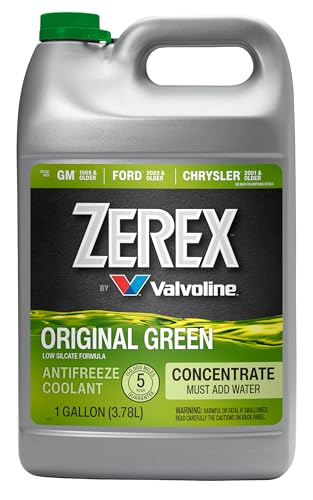
Since older car engines often have more vulnerable metal components, using green conventional antifreeze like Zerex Original Green provides essential corrosion inhibition that protects these parts effectively. This antifreeze is engineered to maintain ideal engine temperature and prevent overheating, ensuring your vintage system performs reliably. When diluted 50/50 with distilled water, it maximizes heat transfer and freeze protection, vital for enduring cold climates. Regular maintenance with green conventional antifreeze also prevents rust and scale buildup, extending engine life.
 How to Flush Your Car’s Radiator Efficiently
Key benefits include:
- Targeted corrosion inhibitors for older metals
- Proven thermal stability under varied conditions
- Compatibility with vintage engine materials
- Ideal freeze and boil-over protection
- Prevention of coolant degradation and deposit formation
Choosing green conventional antifreeze liberates you from premature engine wear while preserving classic performance.
Overview of Waterless Coolant Options Like Evans

Waterless coolants like Evans offer a distinct advantage by eliminating water from the cooling system, which prevents corrosion and electrolysis common in traditional antifreeze mixtures. By removing water, these coolants maintain chemical stability and extend engine life. Evans waterless coolant boasts a boiling point above 375°F, considerably reducing overheating and vapor lock risks, critical for older engines susceptible to heat stress. It also protects against freezing down to -40°F, ensuring reliable performance across diverse climates. Installing waterless coolants requires a complete drain and flush to remove all water residues, guaranteeing maximal system efficiency. By enabling higher operating temperatures without boil-over, waterless coolants provide enhanced durability and reduced maintenance for classic cars. This makes them a technically superior choice for vintage engine cooling systems.
Compatibility Considerations for Classic Car Cooling Systems

When selecting coolant for your classic car, you must prioritize compatibility with the engine’s original materials and cooling system design. Older engines typically require traditional green antifreeze, as their cooling systems were engineered before modern formulations emerged. Avoid mixing coolants like Dexcool with green antifreeze to prevent chemical reactions that cause overheating and damage. Consider manufacturer specs carefully to maintain corrosion protection and system integrity. Many classic cars feature open cooling systems needing routine flushing every 2-3 years. Also, verify if hybrid organic acid technology (HOAT) antifreeze suits your aluminum components.
- Use manufacturer-recommended coolants exclusively
- Prevent mixing different antifreeze types
- Flush and replace coolant regularly in open systems
- Confirm compatibility with aluminum parts
- Maintain corrosion inhibitors for system longevity
How to Properly Mix and Dilute Antifreeze
You need to mix antifreeze with distilled water at a precise 50/50 ratio to guarantee ideal freeze and boil protection. Using the wrong water quality or combining different antifreeze types can cause corrosion and compatibility issues in your cooling system. Always verify the mixture’s specific gravity to maintain performance, especially in older engines.
Ideal Mixing Ratios
Although mixing antifreeze properly might seem straightforward, achieving the perfect 50/50 ratio of antifreeze to distilled water is critical for maximum freeze and boil protection in older engines. This balance guarantees your engine coolant performs at its best, preventing corrosion and maintaining thermal stability. Use a specific gravity tester to confirm a mix around 1.070 for accuracy. Avoid blending different antifreeze types, as incompatible chemicals can degrade your system. Regular adjustments, especially with temperature shifts, sustain engine health and prevent failure.
- Target 50% antifreeze, 50% distilled water ratio
- Verify dilution with a specific gravity tester (~1.070)
- Use manufacturer-recommended antifreeze types only
- Never mix incompatible antifreeze formulas
- Regularly inspect and adjust coolant concentration
Master this to liberate your engine from overheating and freezing risks.
Water Quality Importance
Maintaining the correct antifreeze-to-water ratio only guarantees part of your engine's cooling efficiency; the quality of water used for mixing plays a significant role in system longevity. You must prioritize water quality importance by exclusively using distilled water when diluting antifreeze. Unlike tap water, distilled water lacks minerals and impurities that accelerate corrosion and mineral buildup inside the cooling system. Ensuring a precise 50/50 antifreeze-to-distilled water mix optimizes freeze and boil protection while minimizing internal damage. Regularly check the mixture’s specific gravity to confirm proper dilution and keep detailed records of your coolant maintenance. By controlling water quality and mixture ratios meticulously, you liberate your older engine from premature wear, enhancing reliability and performance over time.
Avoiding Compatibility Issues
When mixing antifreeze, guarantee compatibility by never combining different formulations, such as Dexcool and traditional green antifreeze, as this can cause chemical reactions that degrade coolant performance and damage engine components. To properly mix and dilute antifreeze, adhere to manufacturer guidelines and use distilled water for dilution. The ideal mix is 50% antifreeze and 50% distilled water, ensuring corrosion protection and freeze resistance. Test the mixture’s specific gravity regularly to maintain effectiveness. Monitor antifreeze color—green signals good condition; brown indicates contamination.
- Never mix incompatible antifreeze types
- Use distilled water to prevent mineral deposits
- Maintain a 50/50 antifreeze-to-water ratio
- Regularly test coolant specific gravity
- Replace contaminated or discolored antifreeze promptly
Following these steps liberates your engine from premature wear and cooling inefficiency.
Signs Your Coolant Needs Replacement
If your coolant turns brown instead of its usual green, it signals contamination that demands immediate replacement to protect your engine from damage. You should also monitor coolant levels regularly; a significant drop indicates leaks or degradation within the cooling systems, requiring prompt attention. Using an antifreeze specific gravity tester helps verify the mixture ratio—if it falls below the ideal 50% antifreeze and 50% water, replacement is essential. Overheating during operation often results from aged or ineffective coolant, signaling the need for a coolant flush. Additionally, detecting a sweet smell or residue near the engine bay or under the vehicle points to leaks, which compromise cooling system integrity and necessitate immediate replacement and repairs to avoid catastrophic engine failure.
Environmental Impact of Antifreeze Disposal
Because antifreeze contains toxic compounds like ethylene glycol, improper disposal can severely harm wildlife and contaminate water supplies. You must understand the environmental impact of antifreeze disposal to prevent irreversible damage. Ethylene glycol’s high toxicity demands stringent handling and recycling protocols. Opt for propylene glycol-based antifreeze when possible, as it reduces ecological risk. Always dispose of used antifreeze at authorized facilities to comply with local regulations and protect groundwater.
 Top 10 Reasons Behind Coolant System Corrosion
Proper antifreeze disposal is crucial to protect wildlife, water supplies, and the environment from toxic contamination.
- Toxicity of ethylene glycol threatens aquatic and terrestrial species
- Illegal dumping leads to persistent water contamination
- Recycling antifreeze minimizes hazardous waste accumulation
- Biodegradable alternatives lessen environmental footprint
- Immediate spill cleanup mitigates local ecosystem damage
Recommended Brands and Where to Buy Them
You’ll find top-performing green antifreeze brands like Zerex Original and Peak Green at specialized auto parts stores and convenience outlets, ensuring compatibility with older engines. Pricing varies, with options like Durex Classic Green offering economical concentrate and premixed formulas around $7 to $9, primarily through farm supply retailers. Additionally, John Deere CoolGuard II provides extended service life at similar locations, while store brands present cost-effective alternatives without compromising protection.
Popular Green Antifreeze
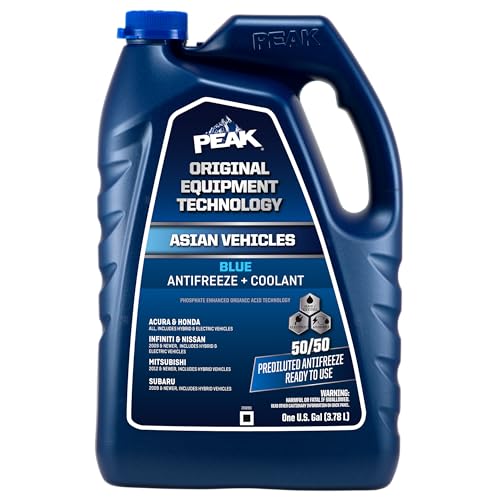
Anyone maintaining an older car engine should consider reliable green antifreeze brands like Zerex Original Green and Peak Green, both engineered for compatibility and longevity. Zerex Original offers a service life of up to 5 years, ensuring extended protection. When selecting your coolant, evaluate these factors:
- Zerex Original Green’s proven formulation suits vintage engines.
- Peak Green matches older vehicle requirements precisely.
- Durex Classic Green is a cost-effective alternative found in farm supply stores.
- Store brand green antifreeze provides budget flexibility without sacrificing performance.
- Availability of traditional green antifreeze is shrinking; sourcing locally at Carquest or Rural King can be strategic.
Choosing the right green antifreeze empowers you to maintain your older engine’s integrity while embracing technical liberation.
Purchase Locations and Pricing
Selecting the right green antifreeze is only part of maintaining an older engine; knowing where to purchase it and understanding pricing nuances can influence your maintenance strategy. Zerex Original Green, favored for its five-year service life, is readily available at NAPA and similar auto parts stores, ensuring consistent supply. Durex Classic Green, priced at $8.99 per gallon concentrate and $6.99 premixed, is accessible through local farm supply outlets, offering cost-effective options. Peak Green, compatible with older engines, can be found at convenience stores like Walgreens, though premixed forms dominate shelves due to concentrate scarcity. When servicing components like the radiator cap, selecting antifreeze with proven longevity reduces frequency of maintenance, liberating you from constant upkeep. Evaluate local availability and pricing to optimize your coolant replacement schedule efficiently.
Maintenance Tips to Extend Cooling System Life
Although maintaining an older car’s cooling system can be challenging, regularly checking coolant levels and performing timely flushes are critical to preventing engine overheating and damage. You must make certain to follow these maintenance steps to extend your cooling system’s lifespan and guarantee engine reliability.
- Make certain coolant levels are consistently checked and topped off to avoid overheating.
- Perform a coolant flush every 5 years to remove contaminants and preserve system efficiency.
- Use distilled water when mixing antifreeze to prevent mineral deposits and corrosion.
- Test antifreeze concentration with a specific gravity tester, maintaining a 50/50 antifreeze-to-water ratio for maximum protection.
- Tag your radiator cap with the last coolant change date to track maintenance and schedule timely replacements.
These precise actions free you from costly repairs and maintain peak engine performance.
Frequently Asked Questions
What Kind of Coolant for Older Cars?
You should prioritize coolant compatibility by using traditional green antifreeze or HOAT formulas for older cars. Mixing types risks corrosion. Always maintain a 50/50 mixture with distilled water to protect your engine effectively and liberate performance.
What Coolant to Use in Old Cars?
You should choose coolant types like traditional green antifreeze, ensuring a 50/50 mix with distilled water. Avoid mixing formulations, and prefer propylene glycol-based coolants for open systems to protect older engines efficiently.
Can You Use Newer Coolant in Older Cars?
You might think newer coolant offers advantages, but coolant compatibility can be tricky. Using modern formulas in older engines risks corrosion unless you flush thoroughly. Always prioritize manufacturer advice to avoid damaging your vintage vehicle’s cooling system.
Does It Really Matter What Coolant I Put in My Car?
Yes, coolant compatibility really matters. If you use the wrong type, you risk corrosion, poor heat transfer, and engine damage. Always follow manufacturer specs to guarantee ideal performance and protect your engine’s longevity and reliability.
Final Thoughts
Choosing the right coolant for your older engine isn’t just smart—it’s essential. Did you know that up to 50% of engine failures in classic cars stem from improper cooling? Using green conventional antifreeze or advanced waterless options like Evans can greatly reduce corrosion and overheating risks. By understanding compatibility and regularly monitoring your coolant’s condition, you’ll protect your engine’s longevity and performance while minimizing environmental impact. Stay proactive to keep your classic running smoothly.
 Why Does My Car Overheat After Coolant Flush?
Reliable Floor Jacks on a Budget: Best Picks for Under $150
Top-Rated Floor Jacks Over $100: Built for Professionals, Priced for Smart Buyers
If you want to know other articles similar to What Coolant Works Best for Older Car Engines? you can visit the Coolant System Care category.
Top 10 Reasons Behind Coolant System Corrosion

How to Flush Your Car’s Radiator Efficiently

Why Routine Fluid Changes Matter for Your Engine

How to Tell Your Coolant System Needs Attention

Coolant System Leak Repair Costs and Guide

Why Should You Regularly Flush Your Coolant System?

Essential Maintenance Intervals for Your Car’s Cooling System

How to Identify a Failing Car Radiator
Leave a Reply
This is also interesting