










Recommended Timing Belt Replacement Intervals Explained


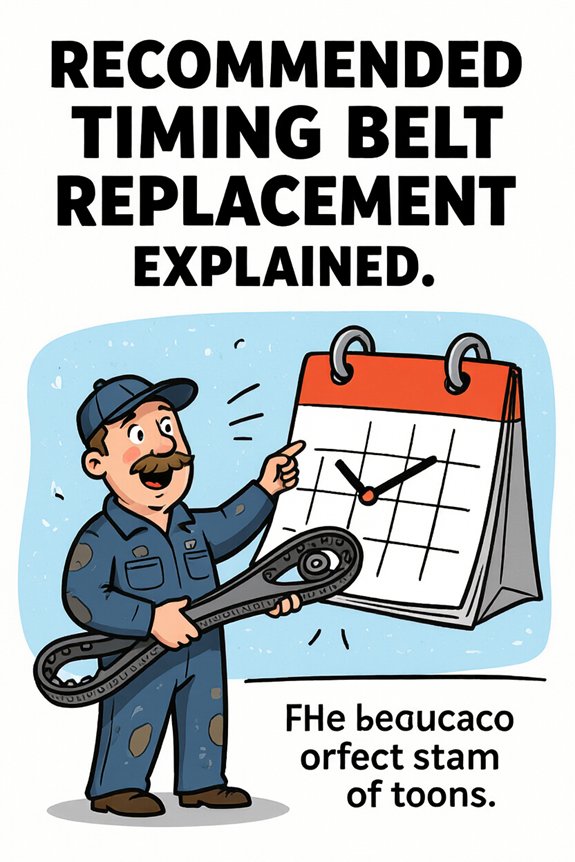
You should replace your timing belt between 60,000 and 100,000 miles, depending on your vehicle’s make and model.
This vital maintenance prevents catastrophic engine damage caused by belt failure, which can lead to bent valves and costly repairs.
Look for signs like cracks, worn teeth, or engine misfires to anticipate early replacement.
Coordinating related parts replacement can save on labor.
Understanding these guidelines helps you maintain your engine’s reliability and performance while avoiding expensive issues.
Table
- Main Points
- What Is a Timing Belt and How It Works
- Why Timing Belt Replacement Is Critical
- Typical Timing Belt Replacement Intervals
- Factors Influencing Replacement Frequency
- Signs Your Timing Belt Needs Replacement
- Risks of Delaying Timing Belt Replacement
- Components Often Replaced Alongside the Timing Belt
- Tips for Planning Your Timing Belt Replacement
- Frequently Asked Questions
- Final Thoughts
Main Points
- Timing belt replacement intervals typically range from 60,000 to 100,000 miles depending on the vehicle make and model.
- Modern vehicles often recommend replacement between 70,000 and 90,000 miles under normal driving conditions.
- Regular inspections can identify early wear, possibly necessitating replacement before the recommended mileage.
- Consult the owner's manual for manufacturer-specific timing belt replacement recommendations and mileage guidelines.
- Replacing the timing belt at recommended intervals prevents catastrophic engine damage and costly repairs.
What Is a Timing Belt and How It Works

A timing belt is a durable rubber belt with teeth that mesh precisely with the crankshaft and camshaft, ensuring your engine's valves and pistons operate in perfect synchronization. This synchronization is essential because the timing belt controls the opening and closing of the engine’s intake and exhaust valves, aligning them perfectly with piston movement. As a maintenance item, the timing belt experiences wear and must be replaced typically every 60,000 to 100,000 miles to prevent failure. If it breaks or slips, catastrophic damage can occur, causing valves and pistons to collide and potentially requiring a complete engine replacement. Regular inspections help you identify signs of wear early, so you can replace the timing belt proactively, preserving your engine's critical components and maintaining peak performance.
Why Timing Belt Replacement Is Critical
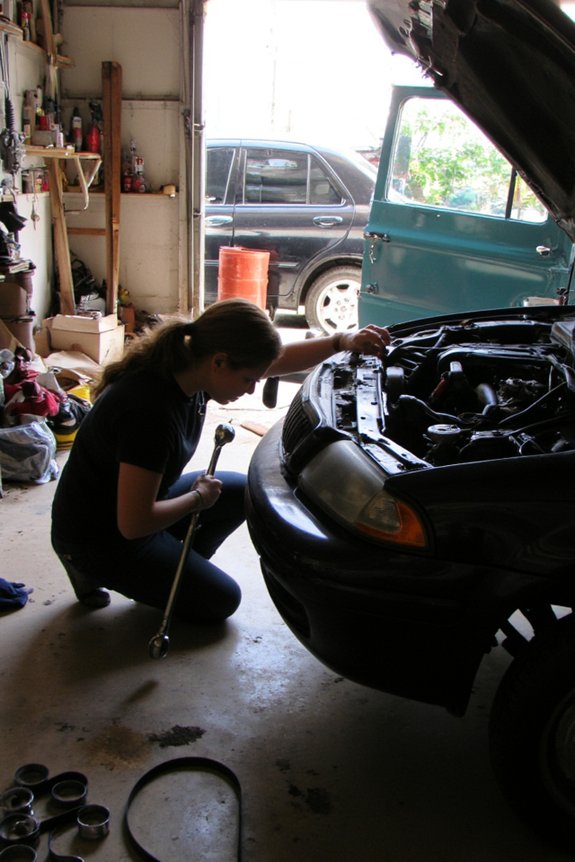
Because your engine's timing belt controls the precise movement of valves and pistons, replacing it at recommended intervals is essential to prevent mechanical failures. Ignoring this important maintenance can lead to catastrophic failure, causing severe engine damage like bent valves or broken cylinders. Manufacturers suggest timing belt replacement every 60,000 to 100,000 miles to maintain engine synchronization. While timing belt replacement costs might seem high, they’re minimal compared to potential repair bills resulting from belt failure. Regular timing belt service, including inspections for wear or oil leaks, helps you identify timing belt needs before problems escalate. To avoid the risk of total engine replacement, you must replace your timing belt promptly, ensuring your vehicle operates reliably and freeing you from costly and unnecessary repairs.
Typical Timing Belt Replacement Intervals
Timing belt replacement intervals typically fall between 60,000 and 100,000 miles, depending on your vehicle’s make and model. To avoid costly engine damage and guarantee vehicle longevity, you must consult your owners manual for the precise timing belt replacement interval. Modern vehicles often recommend replacing the timing belt between 70,000 and 90,000 miles, but some allow up to 105,000 miles under ideal driving conditions. Regular inspections help detect wear that could shorten this interval.
Key points to remember:
 Warning Signs Your Car’s Timing Belt Is Failing
- Consult your owners manual for exact timing belt replacement interval.
- Typical intervals range from 60,000 to 100,000 miles.
- Replace the timing belt proactively to prevent engine damage.
- Adjust timing belt replacement based on driving conditions and regular inspections.
Factors Influencing Replacement Frequency
Understanding the specific factors that influence how often you should replace your timing belt helps tailor maintenance to your vehicle’s needs. Timing belt replacement intervals generally range between 60,000 and 100,000 miles, but environmental factors like extreme temperatures, humidity, and exposure to oil can accelerate rubber deterioration, forcing you to replace the belt sooner. The age of the timing belt is equally critical; even if your mileage is low, belts older than seven years degrade and warrant replacement. Vehicles with interference engines demand stricter intervals since belt failure risks severe engine damage. Regular maintenance checks and vigilant inspection for signs of wear guarantee you address degradation promptly. By considering these factors precisely, you liberate yourself from unexpected failures and optimize engine longevity through timely timing belt replacement.
Signs Your Timing Belt Needs Replacement
How can you tell when your timing belt is due for replacement? Recognizing early signs is essential to avoid engine damage and maintain freedom from costly repairs. Pay close attention to these indicators:
- Engine misfires, difficulty starting, or inconsistent performance above 2,000 RPM signal timing belt issues.
- Visible wear such as cracks, splits, or damaged teeth means the belt must be replaced promptly.
- Oil or coolant leaks saturating the timing belt indicate both seal repairs and belt replacement.
- Unusual engine noises like ticking or squealing suggest imminent belt failure requiring immediate action.
Risks of Delaying Timing Belt Replacement
If you delay replacing your timing belt, you risk catastrophic engine damage, especially in interference engines where a broken belt can cause pistons to hit valves. Ignoring recommended intervals can lead to repair costs that far exceed the price of timely maintenance. Watch for signs of belt wear like cracks or oil leaks, because failure often occurs without warning.
Engine Damage Risks
Although timing belts may seem durable, delaying their replacement can cause catastrophic engine failure. In interference engines, a broken timing belt causes pistons to collide with valves, leading to severe engine damage risks. To avoid this, the timing belt must be replaced at manufacturer-recommended intervals—typically between 60,000 and 100,000 miles. Ignoring cracks or oil leaks accelerates wear, increasing failure probability. A timely timing belt change prevents sudden breakdowns and costly repairs.
Key points to reflect upon:
- Timing belt replacement cost is minimal compared to engine overhaul expenses.
- Signs like cracks or oil leaks indicate urgent timing belt job necessity.
- Interference engines are particularly vulnerable to catastrophic engine failure.
- Proactive timing belt replacement safeguards engine integrity and your financial freedom.
Costly Repair Consequences
One missed timing belt replacement can trigger a chain reaction of engine failures that cost thousands of dollars to repair. When you delay the need to replace the timing belt beyond the recommended 60,000 to 100,000 miles, you risk catastrophic failure. A broken timing belt causes engine components like valves and pistons to collide, bending valves and damaging cylinders. This damage leads to extensive repair costs, sometimes requiring a complete engine replacement. Additionally, prolonged use of a worn timing belt results in performance issues such as engine misfires and starting difficulties, further escalating expenses. By addressing timing belt wear promptly, you protect your engine’s integrity and avoid these costly consequences, ensuring reliable performance and financial freedom from unexpected, expensive repairs.
Signs of Belt Wear
Recognizing the signs of timing belt wear can prevent the costly engine damage described earlier. You need to inspect your timing belt regularly and replace it at the first signs of wear to avoid catastrophic engine damage. Key indicators include:
- Visible cracks, splits, or fraying on the timing belt surface.
- Engine misfires or performance fluctuations, especially above 2,000 RPM.
- Ticking noises emanating from the engine compartment, signaling belt deterioration.
- Difficulty starting the engine, which may point to a failing timing belt.
Ignoring these signs of wear risks bent valves and engine immobilization, resulting in expensive repairs. By acting promptly when these symptoms appear, you liberate yourself from unexpected breakdowns and maintain your engine’s reliability and longevity.
Components Often Replaced Alongside the Timing Belt
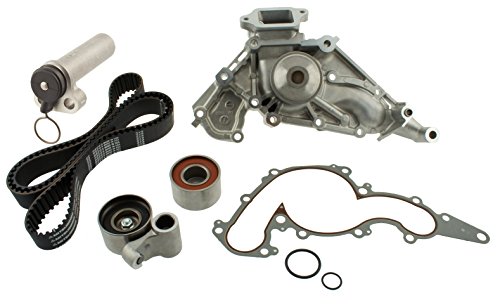
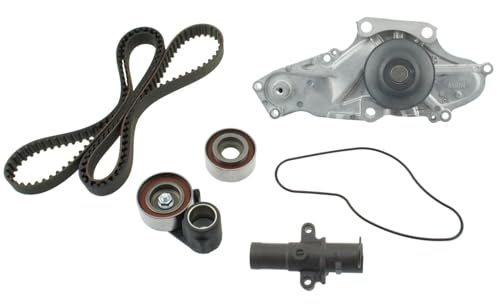
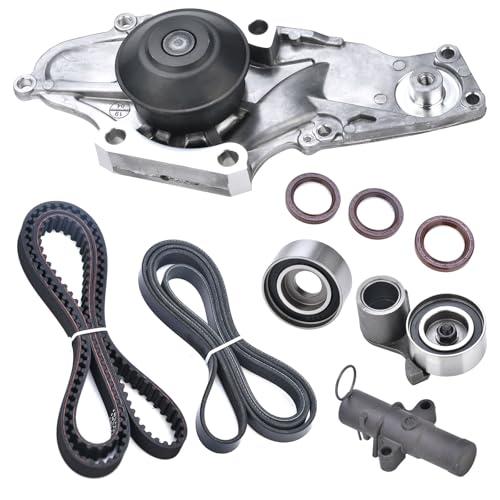
Since the timing belt works in concert with several critical components, you should replace the timing belt tensioner, idler pulleys, and water pump during the service to prevent premature failures. These parts endure the same stresses and wear as the timing belt, making it important to replace them simultaneously. Additionally, inspect the serpentine belt and camshaft and crankshaft seals for wear or leaks, as oil contamination can damage the new timing belt.
| Component | Reason to Replace |
|---|---|
| Timing Belt Tensioner | Prevents belt slack and failure |
| Idler Pulleys | Guarantees proper belt tension |
| Water Pump | Avoids engine overheating |
| Serpentine Belt | Maintains accessory operation |
| Camshaft & Crankshaft Seals | Prevents oil contamination |
Replacing the timing belt alongside these parts guarantees lasting engine reliability.
 What Is the Average Labor Time for Timing Belt Replacement?
Tips for Planning Your Timing Belt Replacement
You should schedule your timing belt replacement based on both mileage and the vehicle’s age to avoid unexpected failures. Prepare for service by coordinating the replacement of related components like the tensioner and water pump to optimize costs and engine reliability. Always review maintenance records and consult your owner's manual to plan the timing accurately.
Scheduling Replacement Timing
Although timing belt replacement intervals vary, consulting your owner's manual guarantees you follow the manufacturer's specific mileage and age recommendations. Timing belts need to be replaced typically between 60,000 and 100,000 miles or sooner if age-related wear occurs. To schedule replacement timing effectively, monitor for signs of deterioration and plan ahead to avoid engine damage.
- Replace a timing belt during routine maintenance or before extended trips to prevent failures.
- Change the timing belt alongside recommended parts like the water pump, tensioners, and seals included in a timing belt kit.
- Account for labor savings by combining replacements of timing belts and water pump usually.
- Inspect timing belts regularly for cracks, fraying, or other wear indicators to determine ideal replacement timing.
This proactive approach guarantees your engine’s reliability and liberation from unexpected breakdowns.
Preparing for Service
Proper planning plays a vital role in ensuring your timing belt replacement proceeds smoothly and prevents unexpected engine issues. Start by consulting your vehicle’s owner’s manual to identify the manufacturer’s recommended timing belt replacement intervals, typically between 60,000 and 100,000 miles. Monitor wear signs like cracks or oil leaks, which may necessitate earlier service. Schedule the replacement during routine maintenance to minimize downtime and avoid engine failure. When replacing the timing belt, consider changing the water pump and tensioners simultaneously to optimize performance and reduce labor costs. Maintain detailed service records to track previous replacements and plan future maintenance accurately. By following these precise steps, you’ll liberate yourself from unexpected breakdowns and keep your engine running reliably within the specified intervals.
Frequently Asked Questions
What Is the Recommended Timing Belt Interval?
You should monitor your timing belt lifespan closely, watching for replacement signs like belt wear to maintain engine performance. Follow maintenance tips, consider DIY replacement carefully, factor costs, and check warranty coverage to avoid costly failures.
At What Mileage Should Timing Belts Be Replaced?
Long before cars roared, you should replace your timing belt every 60,000 to 100,000 miles. Regular timing belt inspection prevents timing belt failure, preserves timing belt function, and manages timing belt cost through timely timing belt replacement.
Can a Timing Belt Last 20 Years?
You shouldn't rely on timing belt longevity reaching 20 years; watch for belt wear indicators and signs of failure. Prioritize vehicle maintenance tips, consider replacement cost factors, and consult a DIY replacement guide or professional service recommendations to protect engine performance.
What Is the Service Interval for a Timing Belt?
Coincidentally, timing belt longevity hinges on manufacturer's recommendations, usually 60,000–100,000 miles. You’ll spot signs belt wear during inspections, and timely replacement boosts engine performance. A DIY replacement saves costs and guarantees your freedom.
Final Thoughts
You can’t afford to ignore your timing belt—it's the heartbeat of your engine. Replacing it at recommended intervals prevents catastrophic engine failure and costly repairs that feel like a financial black hole. Keep an eye on wear signs and factor in driving conditions to plan timely replacements. Don’t wait for warning signs to escalate; proactive maintenance guarantees your engine runs smoothly and reliably, saving you from unexpected breakdowns and preserving your vehicle’s longevity.
 Why Replace Your Toyota Camry Timing Belt?
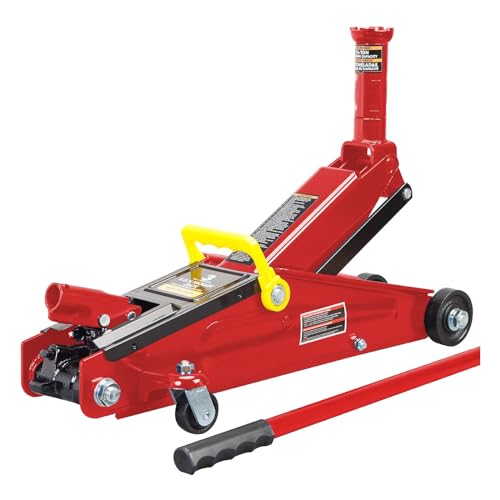
Reliable Floor Jacks on a Budget: Best Picks for Under $150
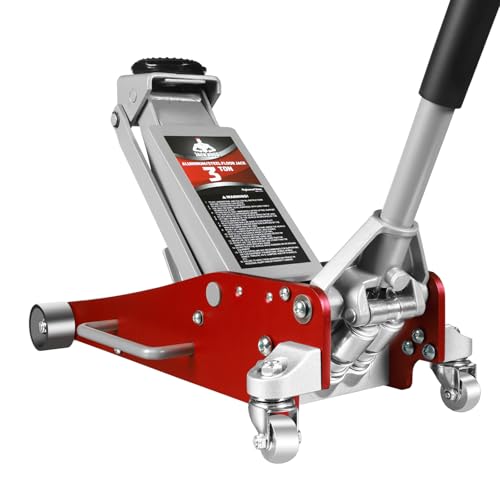
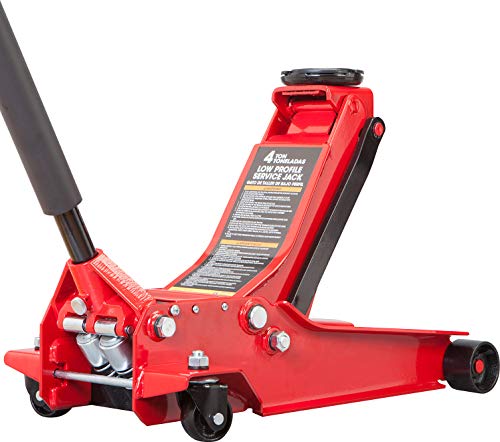
Top-Rated Floor Jacks Over $100: Built for Professionals, Priced for Smart Buyers
If you want to know other articles similar to Recommended Timing Belt Replacement Intervals Explained you can visit the Timing Belt Care and Replacement category.
Warning Signs Your Car’s Timing Belt Is Failing

What Tools Are Needed for Timing Belt Replacement?

Timing Belt Vs Timing Chain: 5 Key Differences

How to Tell If Your Timing Belt Needs Replacement

Consequences of a Broken Timing Belt Explained

Why Does Timing Belt Replacement Cost Vary?

What Are the Top Shops for Timing Belt Replacement?

Why Replace Your Toyota Camry Timing Belt?
Leave a Reply
This is also interesting