











Why Is Your Car Shifting Roughly Lately?


Your car is shifting roughly because its transmission isn’t maintaining proper hydraulic pressure, often due to low or contaminated fluid.
Worn clutches, faulty solenoids, or damaged bands can also disrupt smooth gear engagement.
Low fluid reduces lubrication and causes delayed or jerky shifts, while leaks or burnt fluid worsen these issues.
If shifting feels inconsistent or delayed, addressing fluid levels and component condition is essential.
Understanding these factors will clarify how to restore smooth shifting and protect your transmission.
Table
- Main Points
- Slipping Transmission Symptoms
- Causes of Rough Shifting
- How Low Transmission Fluid Affects Gear Changes
- Transmission Fluid Leak Detection
- The Role of Transmission Fluid in Smooth Shifting
- Faulty Sensors and Transmission Performance
- Worn Clutch Impact on Transmission Function
- Delayed Engagement and Transmission Health
- Importance of Regular Transmission Fluid Maintenance
- When to Seek Professional Transmission Service
- Frequently Asked Questions
- Final Thoughts
Main Points
- Low or contaminated transmission fluid often causes rough, delayed, or jerky gear shifts.
- Worn clutches, faulty solenoids, or damaged bands disrupt smooth gear engagement.
- Burnt or aged fluid reduces hydraulic pressure, leading to erratic shifting and slipping gears.
- Mechanical failures or torque converter issues interfere with power transfer and smooth shifting.
- Transmission fluid leaks lower fluid levels, causing rough shifting and potential transmission damage.
Slipping Transmission Symptoms

How can you tell if your transmission is slipping? One clear sign is when the engine revs unusually high, but your car doesn’t accelerate as expected. This slipping transmission symptom often coincides with the check engine light activating. You might notice delayed engagement when shifting gears, especially into reverse, where there’s a lag before the gear engages. Low transmission fluid level is a common culprit behind these transmission problems. Low fluid leads to overheating and insufficient hydraulic pressure, causing gear shifts to falter. Monitoring your transmission fluid level regularly helps prevent such issues. If shifting feels inconsistent or jerky, inspect for worn clutches or gears immediately. Addressing slipping transmission symptoms swiftly guarantees you regain control and liberate yourself from worsening damage. Since battery health can impact electronic transmission controls, using a car battery tester to check your battery’s condition may help rule out electrical issues that contribute to rough shifting.
Causes of Rough Shifting

You’re likely dealing with rough shifting due to either fluid issues or mechanical failures. Low or contaminated transmission fluid impairs lubrication and cooling, while worn clutches, faulty solenoids, or damaged bands disrupt gear engagement. Identifying the exact cause requires careful inspection of these critical components.
Fluid Issues
When transmission fluid runs low or becomes contaminated, it compromises lubrication and hydraulic pressure, causing slipping gears and rough shifts. You’ll notice hard shifting or transmission slipping when the fluid loses its frictional properties, often due to aging or contamination. Low transmission fluid levels, often caused by leaks, reduce hydraulic efficiency, leading to inconsistent gear engagement and overheating. Burnt or dirty fluid signals severe internal stress, risking transmission failure. To liberate your vehicle from these issues, prioritize timely fluid changes. Regular fluid maintenance preserves lubrication and hydraulic function, preventing premature wear and costly transmission repairs. Ignoring fluid quality and levels confines your car to rough, unreliable shifting—addressing fluid issues promptly restores smooth operation and extends transmission life. Just as regular inspection for signs of wear helps maintain essential tools like floor jacks, staying vigilant about transmission fluid condition is crucial for your vehicle’s reliability.
Mechanical Failures
Although fluid issues often underlie rough shifting, mechanical failures within the transmission can directly cause erratic gear changes and shifting difficulties. You need to inspect worn or damaged clutches, as they compromise smooth gear engagement, causing grinding and tough shifting. Faulty shift solenoids disrupt the controlled flow of transmission fluid, leading to irregular shifting and warning lights. Misadjusted or damaged transmission bands also contribute to rough shifting and sluggish acceleration. Furthermore, torque converter problems interfere with power transfer from the engine to the transmission, manifesting as shuddering or delayed gear engagement. Addressing these mechanical failures promptly not only restores precise shifting but also liberates your driving experience from unpredictable transmission behavior. Make sure you diagnose these components accurately to maintain transmission reliability and smooth gear changes. For major repairs involving the transmission or undercarriage, using foundation floor jacks is essential to ensure safety and stability during the process.
 10 Best Ways to Check Transmission Fluid Without Dipstick
How Low Transmission Fluid Affects Gear Changes

If your transmission fluid level drops too low, it compromises lubrication and hydraulic pressure, causing rough or delayed gear changes. Low transmission fluid leads to under-lubricated components, increasing friction and wear, which triggers rough shifting symptoms. Insufficient hydraulic pressure hinders smooth engagement when you shift gears, resulting in jerky or harsh movements between Park, Drive, and Reverse. Neglecting transmission maintenance by not checking fluid levels regularly can worsen these issues, potentially causing slipping gears or total transmission failure. Contaminated fluid further degrades performance, escalating the risk of costly repairs. To liberate yourself from ongoing shifting problems, monitor your transmission fluid every 30,000 to 50,000 miles and address low fluid promptly. This proactive approach preserves hydraulic pressure and guarantees precise gear changes, maintaining your vehicle’s reliability.
Transmission Fluid Leak Detection

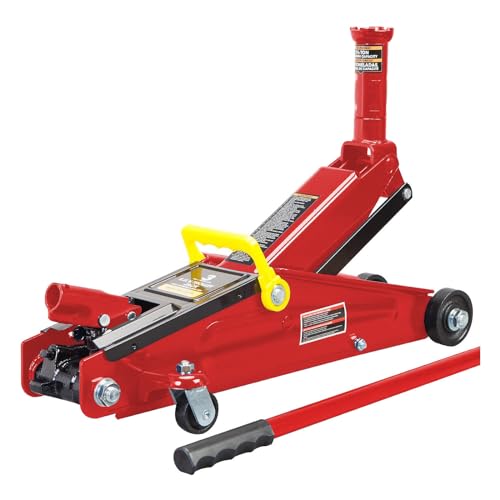
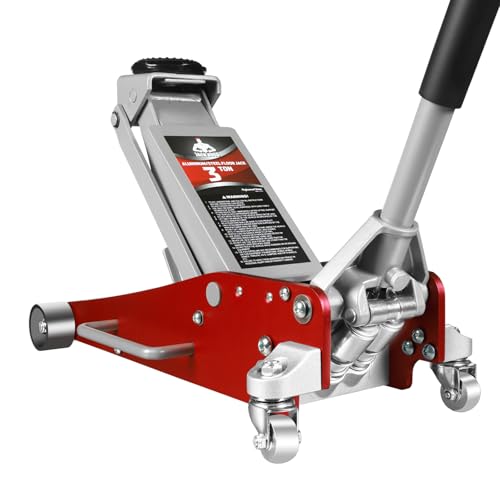
You should start by checking for reddish-brown fluid spots under your vehicle, which signal a transmission fluid leak. Next, inspect seals, gaskets, and the transmission pan for damage to locate the source. Monitoring fluid levels regularly with the dipstick helps confirm leaks before they cause rough shifting or slipping. If you need to lift your vehicle during inspection, using a jack with multi-directional welded construction provides stable and secure support.
Signs of Fluid Leak
How can you tell if your car’s rough shifting is due to a transmission fluid leak? Start by inspecting for reddish-brown fluid spots under your vehicle. Transmission fluid’s distinct color makes spotting a fluid leak straightforward. Low fluid levels compromise transmission functionality, leading to rough shifting and grinding noises when shifting gears. Difficulty in shifting coupled with visible transmission fluid spots suggests the leak disrupts hydraulic pressure essential for smooth gear changes. Regularly check for wetness around the transmission pan and seals; these early signs help you detect leaks before they escalate. Addressing a fluid leak promptly will restore transmission functionality and prevent costly repairs. Don’t ignore these diagnostic indicators—your vehicle’s performance and your freedom depend on it.
Locating Leak Sources
When diagnosing a transmission fluid leak, start by visually inspecting the transmission pan, cooler lines, and seals for any signs of fluid accumulation or wetness. Check the ground beneath your vehicle for red or brown puddles, which often indicate a leak. To pinpoint the exact source, add a UV dye to the transmission fluid, then use a UV light to detect leaks invisible to the naked eye. Regularly check the transmission fluid level to monitor for sudden drops signaling a leak. If you still can’t locate the source, a professional mechanic can perform a pressure test to diagnose and repair the issue accurately. Prompt transmission service and repair prevent further damage, ensuring your vehicle shifts smoothly and reliably.
The Role of Transmission Fluid in Smooth Shifting

Because transmission fluid lubricates and cools critical components, its condition directly affects shifting smoothness. Low or contaminated transmission fluid causes rough shifting and overheating, impairing gear shifts. Regular fluid changes every 30,000 to 50,000 miles preserve hydraulic pressure and prevent jerky movements. Burnt fluid signals overheating, reducing frictional properties essential for smooth engagement. Using high-quality synthetic fluid enhances performance, especially in cold conditions.
| Condition | Effect on Shifting |
|---|---|
| Low fluid level | Hard, delayed shifts |
| Contaminated fluid | Jerky, abrupt gear shifts |
| Burnt fluid | Severe rough shifting |
| Aged fluid | Reduced hydraulic pressure |
| Synthetic fluid | Improved smoothness and cold starts |
Monitor fluid condition to liberate your transmission from erratic performance.
Faulty Sensors and Transmission Performance
If your car’s transmission control module receives incorrect data from faulty sensors, you’ll notice rough or erratic gear shifts. These sensors are critical for timing gear changes and regulating hydraulic pressure, so any malfunction directly impacts shifting performance. Diagnosing and addressing sensor issues promptly can prevent further transmission damage.
Sensor Malfunction Effects
Although your transmission control module depends heavily on accurate sensor data, faulty sensors can send incorrect information about vehicle speed and engine load, causing erratic shifting and rough gear changes. When a sensor malfunction occurs, the transmission control module miscalculates hydraulic pressure and shift timing, leading to rough shifting or delayed gear engagement. For example, a failed speed sensor may misrepresent speed, causing premature or late shifts that increase transmission wear. In older vehicles, vacuum sensor errors disrupt pressure readings, further contributing to rough changes. Diagnosing and repairing these faulty sensors promptly is essential to restoring smooth operation and preventing lasting transmission damage. By addressing sensor malfunctions directly, you regain control over your vehicle’s shifting performance and avoid costly repairs down the line.
Impact on Gear Shifts
When your vehicle’s sensors transmit inaccurate data to the transmission control module (TCM), you’ll notice immediate effects on gear shifting performance. A faulty speed sensor can misread your car’s velocity, causing the TCM to mistime gear changes, resulting in hard shifting and rough shifting sensations. Additionally, sensors monitoring fluid pressure and temperature provide critical input for hydraulic regulation; if these sensors malfunction, the TCM cannot maintain ideal pressure, triggering erratic engagement or disengagement of gears. This miscommunication leads to clunking noises and a compromised driving experience. By diagnosing and replacing defective sensors promptly, you regain control over your car shifting, restoring smooth, precise gear changes. Don’t let faulty sensors dictate your vehicle’s performance—address them to liberate your transmission’s full potential.
Worn Clutch Impact on Transmission Function
Since a worn clutch fails to fully engage or disengage gears, you’ll likely experience rough shifting characterized by grinding noises and difficulty changing gears. This impaired function increases friction and heat, causing clutch slipping and exacerbating rough shifting. Ignoring these signs risks severe transmission damage and diminished vehicle performance. To diagnose if a worn clutch affects your transmission, consider these indicators:
 Why Should You Replace SUV Transmission Fluid?
- Soft or spongy clutch pedal signaling reduced pressure
- Noticeable grinding or resistance during gear shifts
- Overheating clutch surfaces causing slipping
- Decline in overall vehicle responsiveness and smoothness
Addressing clutch wear promptly liberates your vehicle from persistent rough shifting, preserving transmission integrity and optimizing performance.
Delayed Engagement and Transmission Health
If you notice a delay between shifting from Park to Drive or Reverse, your transmission may be experiencing delayed engagement—a critical symptom indicating underlying issues. This delay often signals low fluid levels or faulty solenoids, both of which compromise transmission health. Ignoring delayed engagement risks rough shifting and costly repairs. You must act promptly to maintain smooth operation.
| Symptom | Possible Cause | Impact on Transmission Health |
|---|---|---|
| Delayed engagement | Low transmission fluid | Gear engagement hindered |
| Rough shifting | Faulty solenoids | Increased wear, potential slips |
| Fluid leaks | Poor maintenance | Accelerated fluid depletion |
| Delay > 1 minute | Severe internal damage | Risk of total transmission failure |
Monitor fluid levels and address delays quickly to prevent severe damage.
Importance of Regular Transmission Fluid Maintenance
Although transmission issues can arise unexpectedly, regular maintenance of your transmission fluid greatly reduces the risk of rough shifting and slipping. Neglecting transmission fluid replacement leads to low fluid levels, causing inadequate lubrication and increased friction within the system. This accelerates wear and can trigger overheating, resulting in burnt fluid and damaged components.
To prevent slipping and costly auto repairs, follow these critical maintenance steps:
- Check transmission fluid levels every 30,000 to 50,000 miles.
- Inspect fluid color and odor; dark or burnt fluid signals urgent replacement.
- Monitor for leaks to avoid low fluid levels that impair shifting.
- Schedule routine transmission fluid replacement to sustain peak performance.
When to Seek Professional Transmission Service
When should you seek professional transmission service? If you notice rough shifting, slipping gears, or delayed engagement, don’t hesitate—these symptoms signal underlying transmission issues that could escalate. A check engine light paired with shifting problems demands immediate professional service to diagnose critical faults accurately. Regular fluid changes every 30,000 to 50,000 miles help prevent rough shifting, but once symptoms arise, a technician’s expertise is essential. They can identify complex causes such as worn clutches or faulty sensors, ensuring a thorough repair rather than a short-term fix. Additionally, if your transmission overheats or you detect burnt fluid, seek professional service immediately to avoid catastrophic failure. Prioritize timely diagnosis and intervention to liberate yourself from escalating repair costs and maintain transmission longevity.
Frequently Asked Questions
Why Is My Car Shifting Rough Sometimes?
You’re experiencing rough shifting due to low or contaminated transmission fluid, clutch issues, faulty gear linkage, worn components, or deteriorated engine mounts. Throttle response inconsistencies may also disrupt smooth gear changes, demanding immediate inspection for freedom in driving.
Why Does My Shifter Feel Rough?
Your shifter feels rough due to mechanical wear factors like gear linkage problems or clutch engagement issues. Check transmission fluid levels regularly, follow shifter maintenance tips, and adjust driving habits to prevent further damage and guarantee smooth operation.
What Could Be One Cause of Hard Shifting?
Imagine a clogged artery—your transmission fluid acts similarly, ensuring smooth flow. Hard shifting often stems from low fluid, worn clutches, faulty sensors, gear linkage issues, engine mounts, or computer glitches disrupting precise gear engagement.
Why Is My Car Jerking When Changing Gears?
You're experiencing jerking due to transmission issues like low fluid levels, worn components, clutch problems, or electronic malfunctions. Adjust your driving habits and inspect these areas to regain smooth gear shifts and vehicle control.
 5 Best Ways to Check Transmission Fluid Level
Final Thoughts
If your car’s shifting feels rough, don’t ignore the signs—slipping gears and delayed engagement hint at deeper transmission issues. Picture low transmission fluid silently sabotaging smooth gear changes or a worn clutch disrupting power flow. Spotting leaks early can save you costly repairs. Regular fluid checks keep everything moving seamlessly. If rough shifts persist, it’s time to act—consult a professional before minor problems spiral into major failures. Your transmission’s health depends on it.
Reliable Floor Jacks on a Budget: Best Picks for Under $150
Top-Rated Floor Jacks Over $100: Built for Professionals, Priced for Smart Buyers
If you want to know other articles similar to Why Is Your Car Shifting Roughly Lately? you can visit the Transmission Fluid Care category.
5 Best Ways to Check Transmission Fluid Level

Why Should You Replace SUV Transmission Fluid?

10 Best Ways to Check Transmission Fluid Without Dipstick

How to Check Civic Transmission Fluid: 3 Steps

How to Check Your Car’s Transmission Fluid

How Much Does a Professional Transmission Fluid Check Cost?

What Frequency Should You Check Transmission Fluid?

Common Indicators of Low Transmission Fluid
Leave a Reply
This is also interesting