









Best Times to Replace Your Wiper Blades


You should replace your wiper blades every 6 to 12 months, or sooner if you notice streaking, skipping, chattering, or visible damage like cracks and frays.
Seasonal changes, especially before rainy or winter months, are ideal times to swap them out for maximum visibility.
Environmental factors like UV exposure, heat, and road salt accelerate wear, so regular inspection is key.
Keep your blades in top shape for safety; understanding maintenance and selection can further improve performance.
Table
- Main Points
- Signs Your Wiper Blades Need Replacement
- Seasonal Factors Affecting Wiper Blade Lifespan
- Environmental Conditions That Accelerate Wear
- Recommended Replacement Intervals for Wiper Blades
- How to Inspect Your Wiper Blades for Damage
- Tips to Prolong the Life of Your Wiper Blades
- Choosing the Right Wiper Blades for Your Vehicle
- Frequently Asked Questions
- Final Thoughts
Main Points
- Replace wiper blades every 6 to 12 months based on climate and usage conditions for optimal visibility.
- Ideal times for replacement are during seasonal changes, especially before rainy spring and fall seasons.
- Inspect blades monthly for streaking, skipping, or chattering to determine if immediate replacement is needed.
- Replace blades if you notice cracks, splits, frayed edges, or noisy operation like squeaking.
- Consider replacing blades after winter due to damage from ice, road salt, and cold temperatures.
Signs Your Wiper Blades Need Replacement

One of the clearest signs your wiper blades need replacement is streaking on the windshield during use, which compromises visibility and safety. If your wipers skip or chatter across the glass, they're not making proper contact, signaling a need to replace windshield wipers. Noisy operation such as squeaking or screeching indicates damaged rubber or dirt buildup, often requiring replacement. When sections of the windshield remain uncleaned or water isn’t cleared effectively, it’s time to act. Visually inspect the blades for cracks, splits, or frayed edges; these deteriorations demand immediate replacement. By recognizing these technical signs promptly, you maintain clear visibility and drive safely, freeing yourself from the constraints of compromised wiper performance. Replace windshield wipers as soon as these symptoms appear to guarantee liberation on the road.
Seasonal Factors Affecting Wiper Blade Lifespan

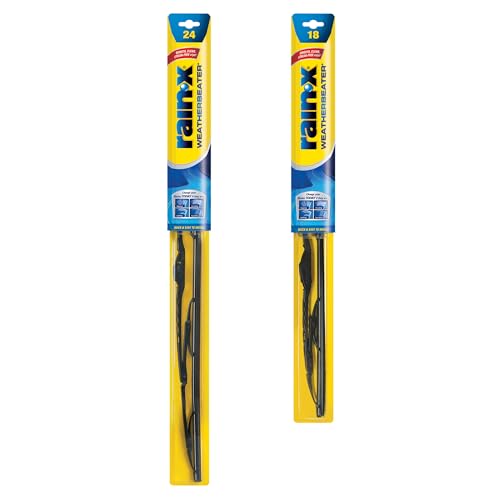
Recognizing when your wiper blades show signs of wear is important, but understanding how seasonal conditions affect their lifespan can help you plan timely replacements. Extreme temperatures accelerate wear: summer heat hardens rubber, while winter cold makes it brittle. Before seasonal shifts, inspect and consider replacing your wiper blades to maintain peak performance. Spring and fall bring increased rainfall, making these ideal times to replace your wiper for clear visibility. In harsh winters, factors like road salt and ice demand more frequent replacements to prevent rubber degradation. Applying protective coatings such as Rain-X during these changes can extend blade life by minimizing environmental damage. By aligning replacement cycles with seasonal factors, you liberate yourself from impaired visibility and guarantee safety on the road.
 Rear Windshield Wiper Replacement Step-by-Step Guide
Environmental Conditions That Accelerate Wear

Although wiper blades are designed for durability, environmental conditions like extreme temperatures, UV exposure, and debris buildup accelerate rubber deterioration and compromise performance. High heat softens the rubber, causing it to degrade faster, while freezing cold makes the rubber brittle, increasing the risk of cracks. UV rays harden and crack wipers’ rubber, reducing their ability to maintain a clean, streak-free windshield. Dirt and debris buildup also wears down the rubber, leading to skipping or chattering during use. When you notice these signs, it’s time to replace your wiper blades to restore peak windshield visibility. Understanding how these environmental factors accelerate wear empowers you to act decisively, ensuring your wipers function effectively and keep your vision liberated on the road.
Recommended Replacement Intervals for Wiper Blades

You should plan to replace your wiper blades every 6 to 12 months, adjusting for your local climate and driving conditions. Seasonal changes, especially before heavy rain or snow, are ideal times to swap them out to maintain clear visibility. Regularly inspecting for wear signs helps you determine the precise moment to replace the blades for peak performance.
Replacement Frequency Guidelines
Replacing your wiper blades every 6 to 12 months guarantees they function at their best and maintain clear visibility. Establish a strict schedule to evaluate their condition regularly, as this helps you detect when it’s time to replace them. Inspect your blades at least twice yearly to identify signs of wear like streaking or skipping. These symptoms signal diminished performance, indicating immediate replacement is necessary. Keep in mind, environmental factors like exposure to sun, dust, and moisture accelerate degradation, so adjust your replacement frequency accordingly. By adhering to these guidelines, you guarantee consistent, unobstructed vision and enhance driving safety. Taking control of your wiper blade maintenance liberates you from unexpected visibility issues and keeps your vehicle performing reliably in varying conditions.
Seasonal Replacement Considerations
Beyond general replacement intervals, considering seasonal factors can optimize wiper blade performance and safety. You should replace your windshield wipers every 6 to 12 months, but seasonal shifts demand extra attention. Early summer heat hardens rubber, reducing effectiveness; swap blades promptly to maintain clarity. Before winter, inspect for brittleness caused by freezing temperatures—replace your windshield wipers if rigidity appears, ensuring peak functionality during snow and ice. Spring’s increased rainfall also signals a prime time to check and replace blades for improved visibility. Prioritize replacing your windshield wipers ahead of adverse weather to reduce risk and enhance driving safety. By aligning blade replacement with seasonal demands, you liberate yourself from compromised vision and maximize control on the road year-round.
How to Inspect Your Wiper Blades for Damage

You should inspect your wiper blades monthly for visible damage like cracks, splits, or frayed rubber edges. Pay close attention to the condition of the rubber, as hardened or brittle areas reduce wiping effectiveness. Identifying these signs early guarantees you maintain clear visibility and prevent windshield damage.
Visual Damage Signs
Inspecting your wiper blades at least once a month helps you catch visible damage early, such as cracks, splits, or frayed edges that signal the need for replacement. When examining your windshield wiper blades, focus on any irregularities in the rubber’s surface that may impair contact with the glass. Uneven wiping patterns on your windshield often indicate compromised blades failing to clear water efficiently. Additionally, watch for signs of hardening or brittleness, as these reduce blade flexibility and wiping effectiveness. Listen for chattering or squeaking noises during operation, which suggest deteriorated rubber or trapped debris. Prioritize inspections after harsh weather exposure to maintain visibility and safety. Addressing these visual damage signs promptly liberates you from impaired vision risks and guarantees peak blade performance.
Rubber Condition Check
Visible damage to wiper blades often stems from underlying issues in the rubber material that warrant a careful condition check. You should inspect the rubber monthly for cracks, splits, or frayed edges, as these compromise wiping efficiency. Check if the rubber has hardened; inflexible blades won’t conform properly to your windshield, reducing visibility even when using wiper fluid. Also, examine metal components for corrosion, which can degrade performance. Environmental factors like UV exposure and temperature extremes accelerate rubber wear, so increase inspection frequency under such conditions. Confirm rubber edges remain intact and supple to maintain peak contact with the glass. Regularly evaluating these factors empowers you to replace blades proactively, confirming clear vision and safe driving in all weather.
 Why Should You Change Windshield Wipers Yourself?
Tips to Prolong the Life of Your Wiper Blades
Although wiper blades endure constant exposure to dirt and weather, cleaning them regularly with rubbing alcohol can effectively remove debris and prevent premature wear. To prolong the life of your wiper blades, inspect them monthly for cracks or frays, avoid using them on dry windshields, and store your vehicle in shaded areas to protect against UV damage. Applying a protective coating like Rain-X reduces friction, enhancing blade longevity.
| Action | Frequency | Benefit |
|---|---|---|
| Clean with rubbing alcohol | Weekly | Removes debris, prevents wear |
| Inspect for damage | Monthly | Early detection of deterioration |
| Avoid dry windshield use | Every use | Reduces rubber wear |
Following these tips optimizes performance and prolongs the life of your wiper blades effectively.
Choosing the Right Wiper Blades for Your Vehicle
Choosing the right wiper blades is essential for maintaining clear visibility and ensuring safety during adverse weather. Start by consulting your vehicle’s owner manual to find the exact blade size and specifications. Opt for premium wipers made from materials like silicone, which resist UV damage and offer superior durability over rubber. Look for aerodynamic designs or built-in spoilers that reduce lift at high speeds, ensuring optimal contact with your windshield. Prioritize wipers designed for extreme weather to enhance performance and lifespan. Finally, review customer feedback on different brands to gauge real-world reliability and effectiveness. By selecting the proper wipers tailored to your vehicle and conditions, you liberate yourself from frequent replacements and compromised visibility, securing safer driving in all weather scenarios.
Frequently Asked Questions
When Should You Replace Wiper Blades?
You should replace wiper blades when you notice streaking, skipping, or visible damage. Regular wiper care includes monthly inspections to guarantee peak visibility and safety, especially in extreme weather that accelerates wear and tear.
How Long Do Wiper Blades Really Last?
Like a knight’s armor, your wiper blades endure wear from elements. With proper wiper maintenance, they typically last 6 to 12 months, but check regularly for streaks or skips to guarantee clear vision and your driving freedom.
What Is the Average Life of Car Wiper Blades?
You’ll find wiper blades last about 6 to 12 months, depending on wiper material quality and conditions. Rubber degrades from UV exposure and oxidation, so choosing durable materials extends lifespan and maintains clear visibility.
Will Autozone Install Wiper Blades for Free?
Like a fresh breeze clearing your path, AutoZone offers free wiper blade installation with your purchase. You’ll gain expert guidance and quick, precise fitting—just check your local store’s availability to guarantee smooth, liberated driving.
 How to Spot When Wiper Blades Need Replacing
Final Thoughts
You should replace your wiper blades when you notice streaking, skipping, or cracking. You should inspect them regularly, clean them often, and protect them from harsh weather. You should consider seasonal changes, environmental wear, and recommended intervals to guarantee peak performance. By choosing the right blades and maintaining them properly, you’ll improve visibility, enhance safety, and extend their lifespan. Stay proactive, stay safe, and keep your windshield clear every time you drive.
Reliable Floor Jacks on a Budget: Best Picks for Under $150
Top-Rated Floor Jacks Over $100: Built for Professionals, Priced for Smart Buyers
If you want to know other articles similar to Best Times to Replace Your Wiper Blades you can visit the Windshield Care Maintenance category.
Why Replace Wiper Blades on Your Civic?

Windshield Wiper Blade Size Guide for Cars

Windshield Wiper Replacement Cost: 7 Expert Tips

How to Spot When Wiper Blades Need Replacing

Why Should You Change Windshield Wipers Yourself?

Rear Windshield Wiper Replacement Step-by-Step Guide

Why Choose Special Wiper Blades for Winter?

10 Tips for Choosing Local Wiper Replacement Services
Leave a Reply
This is also interesting