











Rear Windshield Wiper Replacement Step-by-Step Guide


To replace your rear windshield wiper, first confirm the blade size and type from your vehicle’s manual.
Park on a level surface and raise the wiper arm. Clean the rear window and wiper arm, then detach the old blade by releasing the locking mechanism.
Attach the new blade securely until it clicks. Lower the arm gently and test the wipe for streaks or gaps.
Proper installation guarantees safety and longevity. Explore further to master detailed steps and maintenance tips.
Table
- Main Points
- Importance of Maintaining Rear Wiper Blades
- Signs Your Rear Wiper Blade Needs Replacement
- Selecting the Right Rear Wiper Blade for Your Vehicle
- Tools and Materials Required for Replacement
- Preparing Your Vehicle for Rear Wiper Blade Replacement
- How to Safely Remove the Old Rear Wiper Blade
- Step-by-Step Installation of the New Rear Wiper Blade
- Testing and Adjusting the New Rear Wiper Blade
- Common Mistakes to Avoid During Replacement
- Tips for Extending the Life of Your Rear Wiper Blade
- Frequently Asked Questions
- Final Thoughts
Main Points
- Park on a level surface, engage parking brake, turn off ignition, and lift the rear wiper arm upright for access.
- Remove the old blade by releasing the clip or tab and slide it off the wiper arm carefully.
- Align the new blade’s mounting bar with the wiper arm’s channel and push until it clicks securely in place.
- Tighten the securing nut if applicable, ensuring the blade sits flush against the rear window without over-tightening.
- Test the new blade by activating washer fluid and wipers, confirming streak-free cleaning and smooth movement.
Importance of Maintaining Rear Wiper Blades

Although rear wiper blades often receive less attention than front ones, you should maintain them regularly to guarantee clear rear visibility. Rear wiper blades degrade due to environmental exposure, reducing their effectiveness over time. To preserve peak visibility and safety, experts recommend you replace the rear blade at least once a year, ideally twice annually alongside front blades. Maintaining fully functional rear wiper blades guarantees you eliminate streaking, squeaking, and missed spots that impair your rear view. Clear visibility through the rear windshield is essential during adverse weather conditions, directly impacting your ability to drive safely and confidently. Prioritizing this maintenance grants you greater control and freedom on the road, reducing accident risks caused by obscured rear vision. Don’t neglect your rear wiper blades if you want uncompromised clarity behind you.
Signs Your Rear Wiper Blade Needs Replacement

You’ll notice visible streaks or smears on your rear windshield when the wiper blade no longer clears properly. Check the rubber edge for cracks or deterioration, which reduce its effectiveness. These signs indicate it’s time to replace the rear wiper blade to maintain clear visibility.
Visible Streaks or Smears
Two common signs that your rear wiper blade needs replacement are visible streaks and smears on the windshield. These marks indicate that the rubber on your old wiper has deteriorated, compromising its ability to clear water effectively. When rear wiper blades fail to wipe cleanly, they leave missed areas that reduce visibility and safety. Regular inspection of your wiper blades will reveal if the rubber is worn, torn, or otherwise compromised. Experts advise replacing rear wiper blades at least once a year to maintain peak performance. If you notice streaks, smears, or hear squeaking noises during operation, it’s time to swap out those old wiper blades for new ones. Keeping your rear windshield clean and your wiper blades in top condition assures clear visibility and safer driving.
Wiper Rubber Cracks
Cracks in the rubber of your rear wiper blade signal significant wear caused by prolonged exposure to harsh weather. As the rubber gradually deteriorates, the old blade loses its ability to clear moisture effectively, compromising visibility. You should inspect your wiper blades regularly; visible cracks mean it's time for replacement. Experts suggest changing them at least once a year or sooner if cracks appear. Using a cracked blade leads to streaking and impaired rearview clarity, risking safety. For cleaning and maintenance, consider using microfiber towels as recommended in some of the best car interior cleaning kits to keep your rear windshield spotless.
| Issue | Effect |
|---|---|
| Cracked rubber | Reduced wiping efficiency |
| Old blade | Streaks and smears on glass |
| Weather exposure | Accelerates rubber deterioration |
| Delayed replacement | Compromised visibility and safety |
Replace cracked wiper blades promptly to guarantee ideal driving conditions.
Selecting the Right Rear Wiper Blade for Your Vehicle

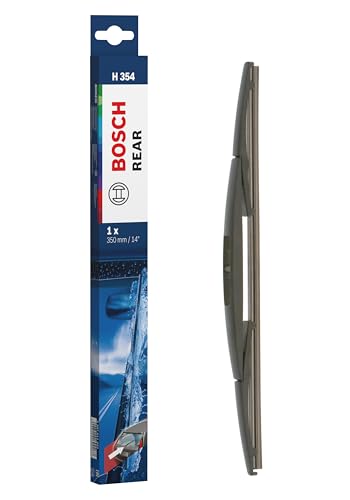
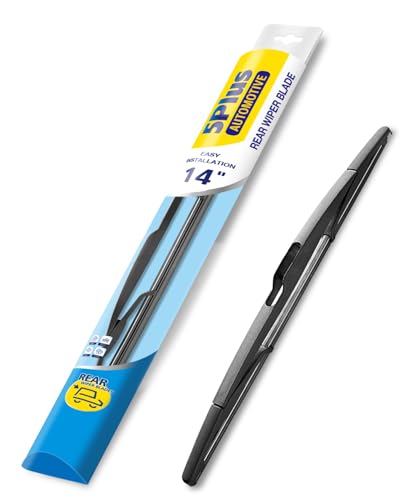
How do you guarantee the rear wiper blade fits your vehicle perfectly? Start by consulting your vehicle’s owner’s manual to identify the correct size and type. Measure your old wiper blade’s length; rear blades typically range from 10 to 14 inches. Selecting the correct size prevents improper fit or poor performance. Next, verify compatibility with your vehicle’s attachment mechanism—hook, pin, or clip fittings vary among models. Choose reputable brands like ANCO or Bosch for durability. Also, consider your climate; some wiper blades are designed to withstand harsh weather better. By combining precise measurement, attachment compatibility, and climate suitability, you liberate yourself from guesswork and guarantee ideal rear windshield visibility and safety.
 Why Should You Change Windshield Wipers Yourself?
Tools and Materials Required for Replacement

After confirming the correct rear wiper blade size and compatibility, gather the necessary tools and materials before starting the replacement. Essential tools include an adjustable wrench or spanner to loosen and tighten fittings, and a flathead screwdriver for removing caps or clips. Have a clean cloth or towel ready to protect your rear window surface during the process. Safety goggles are recommended to shield your eyes from debris or accidental slips near the wiper assembly. While replacing rear wiper blades, consider using rubber lubricant to enhance blade performance and longevity. Verify all tools and materials are within reach to streamline the procedure and maintain control throughout. Being fully prepared with the right tools empowers you to carry out the replacement efficiently and confidently, breaking free from dependence on others.
Preparing Your Vehicle for Rear Wiper Blade Replacement

Park your vehicle on a level surface to guarantee stability and prevent damage during the replacement. Gather the compatible rear wiper blade and necessary tools before starting the process. Wearing safety goggles is essential to protect your eyes from any dislodged debris or parts.
Vehicle Positioning and Safety
Ensuring your vehicle is securely positioned is essential before replacing the rear windshield wiper blade. Park on a level surface to maintain stability and avoid the wiper arm snapping back. Engage the parking brake to prevent any unintended movement. Turn off the ignition and set the rear wiper upright for easy access. Always wear safety goggles to shield your eyes from debris or sudden snaps. Clean the rear window and wiper arm area thoroughly; dirt can hinder blade installation and performance.
| Task | Action Required | Safety Measure |
|---|---|---|
| Vehicle Positioning | Park on level ground | Engage parking brake |
| Wiper Setup | Turn off ignition, raise wiper | Wear safety goggles |
| Preparation | Clean rear window and arm | Prevent debris issues |
Gathering Necessary Tools
Before you begin replacing the rear wiper blade, gather all necessary tools to streamline the process. Having the right items guarantees a smooth, efficient replacement without unnecessary interruptions. First, verify the correct size wiper blades for your vehicle using the owner’s manual or auto parts guide. Then, prepare the following essentials:
- Compatible rear wiper blades
- Flathead screwdriver for removing clips or caps
- Clean cloth or towel to protect the rear window
- Safety goggles to shield your eyes from debris
- Rubber lubricant to enhance blade performance and longevity
Collecting these tools beforehand liberates you from delays and potential mistakes, allowing precise and safe installation of your new rear wiper blade.
How to Safely Remove the Old Rear Wiper Blade
Locate the release tab near the base of the rear wiper blade and press it while gently pushing the blade toward the passenger side to disengage it. This release tab is your key to remove the old blade without damaging the wiper arm. After disengagement, carefully pull the blade assembly straight toward the glass, avoiding excessive force on the wiper arm to prevent bending or breaking. Use a clean cloth to grip the blade assembly, keeping dirt and debris away from sensitive components. Familiarize yourself with this removal process to confidently and safely remove the old blade, ensuring your wiper arm remains intact and ready for the new blade installation. Mastering this step frees you from relying on professional help for routine maintenance.
Step-by-Step Installation of the New Rear Wiper Blade
Start by threading the wiper arm through the central opening of the new rear wiper blade, making sure the rubber edge faces outward from the arm. Follow these precise steps to install the new blade correctly:
- Rotate the new blade until the mounting bar clicks securely into the wiper arm channel.
- Align the wiper assembly back onto the rear window, matching the original marked position.
- Tighten the securing nut clockwise, ensuring firm attachment without over-tightening.
- Confirm the new blade sits flush against the window to optimize contact and performance.
- Avoid forcing components to prevent damage to the rear wiper mechanism.
This method guarantees the wiper blades function smoothly, restoring your rear window’s visibility and your driving freedom.
Testing and Adjusting the New Rear Wiper Blade
Once you’ve installed the new rear wiper blade, test its operation by activating the washer fluid and observing the blade’s movement across the window. During testing, verify the blade clears the glass effectively without streaks or missed areas. Watch the full wipe cycle to confirm the wiper blade maintains consistent contact with the rear windshield. If you notice skipping or incomplete coverage, proceed with adjusting the wiper arm carefully to optimize its angle and pressure. Also, listen for any unusual noises; these may indicate debris trapped in the blade or arm that requires cleaning. Regular testing and adjusting of the wiper blade are essential to assure clear visibility and safe driving, especially under adverse weather conditions.
Common Mistakes to Avoid During Replacement
Before replacing your rear wiper blade, confirm the size and fitting type match your vehicle’s specs to prevent errors. Use the release mechanism correctly to avoid damaging the wiper arm, and secure the new blade until you hear a click. Also, clean the wiper arm and rear window thoroughly to guarantee peak blade performance.
Incorrect Blade Size
Although replacing your rear windshield wiper blade may seem straightforward, selecting the incorrect size can compromise its effectiveness and your visibility. Avoid this common mistake by ensuring the blade fits your vehicle perfectly. To do so, always check your owner’s manual or use online tools to confirm the correct dimensions. When purchasing at an auto parts store, consider these points:
 How to Spot When Wiper Blades Need Replacing
- Verify the blade length matches your vehicle’s specifications.
- Confirm the attachment mechanism (hook, clip, etc.) fits your wiper arm.
- Inspect packaging for size and compatibility details.
- Avoid blades too long or short to prevent missed cleaning areas and arm wear.
- Consult store professionals if uncertain about the correct blade size.
Choosing the right blade frees you from visibility issues and guarantees maximum rear window clearing.
Improper Installation
When you replace your rear windshield wiper blade, improper installation can lead to poor performance or damage. First, always use the designated release mechanism to detach the old blade; forcing it off risks bending the wiper arm or damaging the mounting point. Keep the wiper arm away from snapping back onto the glass to prevent cracks. Before installing the new blade, clean the wiper arm thoroughly—dirt compromises the blade’s contact and causes streaking. Verify the new blade size and fitting match your vehicle specs to avoid improper installation. Secure the blade firmly until you hear an audible click; a loose blade may detach mid-operation, posing safety risks. Following these steps guarantees reliable function and protects your vehicle from avoidable damage.
Neglecting Cleaning Steps
Improper installation isn't the only pitfall during rear windshield wiper replacement; neglecting to clean both the wiper arm and rear window can equally undermine performance. Skipping cleaning steps compromises the function and longevity of your new blades. Before installing rear wiper blades, make certain to:
- Remove dirt and debris from the wiper arm to prevent skipping or streaking
- Wipe down the rear window thoroughly to eliminate residual grime
- Confirm the cleaning allows a tight, secure fit of the new blades
- Avoid premature wear by maintaining clean contact surfaces
- Regularly clean the wiper assembly to extend blade and window lifespan
Prioritize cleaning to assure your new blades operate with maximum efficiency and safety, freeing you from avoidable visibility issues.
Tips for Extending the Life of Your Rear Wiper Blade
To maximize the lifespan of your rear wiper blade, you should regularly inspect it for wear such as cracks or tears and replace it at least annually. Clean both the rear window and wiper blades frequently to eliminate dirt and debris that accelerate rubber blade degradation and cause streaking. Avoid activating the wiper on dry or frozen glass to prevent damage to the rubber blade and motor; verify the window is wet before use. Protect your wiper blades from harsh weather conditions by parking in shaded or covered areas, reducing exposure to UV rays and extreme temperatures that compromise rubber integrity. Periodically apply a rubber conditioner to maintain blade flexibility, enhancing durability and performance. Following these steps grants you reliable visibility and control, freeing you from premature wiper failures.
Frequently Asked Questions
How to Do Back Windshield Wipers?
You maintain rear wiper functionality by regularly inspecting and replacing worn wiper blades. Combine wiper blade maintenance with effective windshield cleaning techniques, ensuring clear visibility and ideal performance, so you control your environment without compromise or distraction.
Will Autozone Install Wiper Blades for Free?
You can get free wiper blade installation through AutoZone services when purchasing blades there. They guarantee proper fit, enhancing windshield maintenance tips, so you don’t struggle or risk improper installation on your vehicle.
How Do You Put a Windshield Wiper Back on a Car?
You start wiper blade installation by lifting the arm, aligning the correct wiper sizes, then clicking the blade securely. Follow windshield maintenance tips to guarantee smooth operation and clear visibility, empowering your driving freedom confidently.
How to Remove Defender Wipers?
To remove Defender wipers, press the release tab on the wiper arm, slide the wiper blade toward the passenger side, and gently pull it away. Follow maintenance tips to avoid damaging the arm during removal.
Final Thoughts
Replacing your rear windshield wiper blade transforms a streaked, blurred view into a clear, precise line of sight. What once hindered your rear visibility now enhances safety and confidence. By following these steps carefully, you avoid common pitfalls and guarantee a secure fit. Regular maintenance turns a simple blade replacement from a reactive fix into a proactive habit, keeping your rear window sharp and your drives safer, no matter the weather conditions.
 Windshield Wiper Replacement Cost: 7 Expert Tips
Reliable Floor Jacks on a Budget: Best Picks for Under $150
Top-Rated Floor Jacks Over $100: Built for Professionals, Priced for Smart Buyers
If you want to know other articles similar to Rear Windshield Wiper Replacement Step-by-Step Guide you can visit the Windshield Care Maintenance category.
Why Replace Wiper Blades on Your Civic?

Windshield Wiper Blade Size Guide for Cars

Windshield Wiper Replacement Cost: 7 Expert Tips

How to Spot When Wiper Blades Need Replacing

Why Should You Change Windshield Wipers Yourself?

Best Times to Replace Your Wiper Blades

Why Choose Special Wiper Blades for Winter?

10 Tips for Choosing Local Wiper Replacement Services
Leave a Reply
This is also interesting