











How Fuel System Cleaning Boosts Gas Mileage


When you clean your fuel system, you remove deposits that clog injectors and disrupt fuel flow, allowing fuel to reach the engine more efficiently.
This precise delivery optimizes combustion, reduces wasted fuel, and improves your gas mileage by up to 20%.
Regular cleaning also prevents engine misfires and rough idling, ensuring smooth performance.
Understanding how these benefits come together can help you maintain efficiency and avoid costly repairs down the road.
Table
- Main Points
- Understanding the Fuel System and Its Role in Fuel Efficiency
- Common Causes of Fuel System Contamination
- How Deposits Affect Fuel Injector Performance
- Benefits of Regular Fuel System Cleaning on Gas Mileage
- Different Methods for Cleaning the Fuel System
- Signs Your Vehicle Needs Fuel System Maintenance
- Impact of Fuel System Cleaning on Engine Performance
- Cost Considerations for Fuel System Cleaning Services
- Tips for Maintaining a Clean Fuel System Between Services
- Frequently Asked Questions
- Final Thoughts
Main Points
- Cleaning removes fuel varnish deposits, unclogging injectors for precise fuel delivery and improved efficiency.
- Restored fuel flow and air-fuel ratio prevent the engine from overcompensating, reducing fuel consumption.
- Enhanced combustion dynamics from clean injectors improve fuel atomization, boosting gas mileage by 10-20%.
- Regular fuel system maintenance avoids blocked filters, ensuring consistent fuel supply and optimal engine performance.
- Addressing fuel system issues early prevents rough idling and misfires that lower fuel economy.
Understanding the Fuel System and Its Role in Fuel Efficiency

The fuel system, consisting of fuel injectors, pumps, and filters, plays an essential role in delivering fuel efficiently to your engine. These fuel system components work in unison to guarantee precise fuel flow, which directly impacts fuel efficiency. When fuel injectors become clogged fuel passages restrict gas flow, disrupting the balance of fuel delivery. This imbalance reduces combustion efficiency, causing poor engine performance and wasted fuel. You can reclaim control by maintaining a clean fuel system; regular cleaning removes deposits from injectors and filters, restoring ideal fuel flow. As a result, your engine runs smoother, idles better, and accelerates more responsively. Maintaining these components liberates you from inefficient fuel consumption and enhances your vehicle’s performance, ultimately saving you money on gas and reducing environmental impact.
Common Causes of Fuel System Contamination

Although fuel systems are designed to operate efficiently, contamination can severely hinder their performance. Fuel injectors get clogged primarily due to fuel varnish deposits that accumulate over time, restricting fuel flow. Impurities from the fuel—such as dirt, rust, and water—often enter through compromised fuel tanks or low-quality fuel sources, further exacerbating contamination. These contaminants also clog fuel filters, preventing clean fuel from reaching the engine and reducing overall efficiency. When fuel filters are blocked, your engine struggles to maintain ideal combustion, leading to diminished gas mileage. Neglecting regular maintenance, including cleaning or replacing fuel injectors and fuel filters, allows these impurities to build up unchecked, limiting your vehicle’s performance. Understanding these causes empowers you to take control and liberate your fuel system from avoidable contamination.
How Deposits Affect Fuel Injector Performance

When deposits build up inside your fuel injectors, they restrict fuel flow and disrupt the precise fuel-air mixture your engine needs. This imbalance forces the engine control unit (ECU) to increase fuel delivery in an attempt to compensate, which lowers your gas mileage. Carbon deposits also alter the spray pattern of fuel injectors, causing inefficient combustion and reduced power output. These deposits limit your engine's ability to perform effectively, directly impacting acceleration and overall efficiency. Maintaining a clean fuel system removes these harmful buildups, restoring the fuel injectors’ capacity to deliver fuel precisely and evenly. By ensuring effective fuel delivery, a clean fuel system liberates your engine from inefficiencies, enhancing performance and helping you regain control over your vehicle’s fuel economy.
Benefits of Regular Fuel System Cleaning on Gas Mileage

If you want to maximize your vehicle's fuel efficiency, regular fuel system cleaning plays an essential role. By removing clogs and carbon deposits from fuel injectors, fuel system cleaning restores ideal fuel flow and maintains the perfect air-fuel ratio for combustion. This precise balance prevents the engine management system from overcompensating with excess fuel, thereby reducing waste. Consistent cleaning can improve fuel economy by 10-20%, directly boosting your gas mileage and saving you money over time. To sustain these benefits, experts recommend performing fuel system cleaning every 12,000 miles. By embracing this maintenance routine, you liberate your vehicle’s performance potential, ensuring peak efficiency and cost-effective operation through improved fuel injector function and cleaner combustion dynamics.
Different Methods for Cleaning the Fuel System

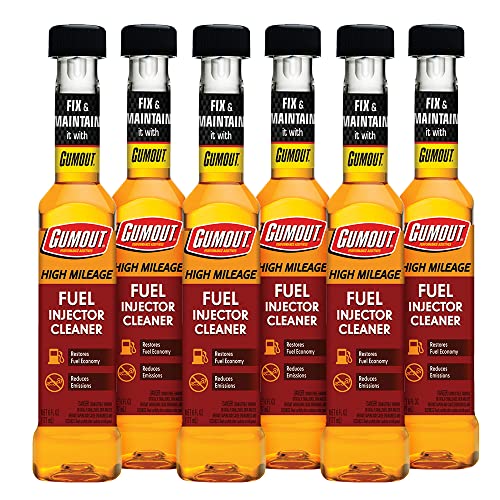
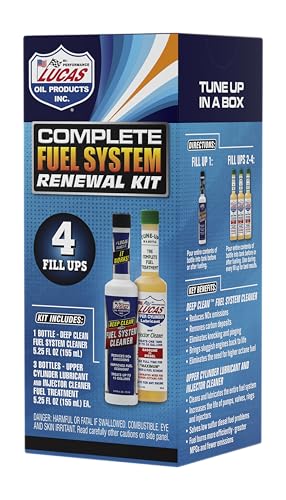
You can clean your vehicle's fuel system using several effective methods, each targeting carbon deposits and clogs that reduce efficiency. Fuel additives, introduced into the fuel tank, chemically break down buildup during combustion, restoring ideal fuel flow. For deeper intervention, professional injector cleaning employs specialized equipment to remove stubborn deposits from fuel injection components, ensuring precise fuel delivery. If you prefer a hands-on approach, injector cleaning kits and pressurized bottles allow targeted cleaning at home, though they require proper setup to avoid damage. Regularly maintaining the fuel system every 12,000 miles prevents clogging and inefficiencies that sap gas mileage. By choosing the appropriate method, you liberate your engine from restrictions, enhancing performance and fuel economy through clean, efficient fuel injection.
 Top 10 Fuel System Cleaners for Trucks
Signs Your Vehicle Needs Fuel System Maintenance
You’ll notice signs like decreased fuel efficiency and reduced engine performance when your fuel system needs maintenance. Rough idling, stalling, or unusual engine noises often indicate clogged injectors or carbon buildup. Additionally, dashboard warning lights can alert you to fuel system issues requiring immediate attention.
Common Maintenance Indicators
Although fuel system issues can manifest in various ways, certain maintenance indicators stand out as clear signs your vehicle needs attention. Recognizing these signs helps you maintain peak engine performance and avoid costly repairs. Fuel system cleaning is essential when components become clogged, reducing efficiency.
- Noticeable decrease in gas mileage: Clogged fuel injectors restrict fuel flow, causing your engine to consume more fuel than necessary.
- Rough idling or shuddering at stops: These symptoms suggest fuel delivery problems that fuel system cleaning can resolve.
- Frequent engine misfires or poor acceleration: Inefficient fuel delivery from buildup requires immediate maintenance to restore performance.
Addressing these indicators promptly liberates your vehicle’s potential and sustains fuel economy.
Performance and Efficiency Drops
Fuel system issues often reveal themselves through declining vehicle performance and efficiency before causing severe damage. When clogged fuel injectors restrict fuel flow, your engine power drops, forcing the engine computer to increase fuel consumption to compensate. You might notice shuddering during idling or sluggish acceleration, clear signs that your vehicle needs fuel system cleaning to restore peak functionality. Ignoring maintenance beyond the recommended 12,000-mile interval accelerates power loss and wastes fuel. Additionally, carbon deposits cause engine knocking or pinging, which fuel system cleaning can resolve effectively. By monitoring fuel consumption with smart gas cards, you gain insight into inefficiencies that signal timely intervention. Prioritizing fuel system cleaning liberates your vehicle’s performance while maximizing fuel economy and reducing operational costs.
Visual and Audible Signs
When your vehicle shudders or hesitates during idling, it often signals clogged fuel injectors that require cleaning to restore smooth operation. Ignoring these visual and audible signs can lead to poor fuel economy and diminished power and performance. Watch for these indicators:
- Noticeable drop in fuel efficiency or increased fuel consumption, signaling the need for fuel system cleaning.
- Unusual engine noises like knocking or pinging, caused by carbon deposits disrupting combustion.
- Poor acceleration or sluggish response when merging or overtaking, reflecting fuel delivery issues.
Addressing these symptoms promptly with fuel system maintenance liberates your vehicle from inefficiencies, restoring peak power, performance, and fuel economy.
Impact of Fuel System Cleaning on Engine Performance
When you remove deposits from the fuel system, you restore efficient fuel flow and improve injector performance. This balance in fuel delivery reduces engine strain and allows your vehicle to operate smoothly. As a result, your engine runs more efficiently, directly impacting overall performance and fuel economy.
Removing Deposits Improves Efficiency
Although engine performance depends on multiple factors, removing deposits from your fuel system plays a critical role in enhancing efficiency. Deposits build up on fuel injectors, restricting fuel flow and causing inefficient combustion. By removing deposits, you restore fuel injectors’ ability to atomize fuel precisely, leading to improved gas mileage and engine responsiveness.
Here’s how removing deposits enhances efficiency:
- Clears clogged fuel injectors, ensuring peak fuel delivery.
- Improves combustion by eliminating carbon buildup that disrupts fuel-air mix.
- Reduces engine knocking and lowers fuel consumption by smoothing operation.
Enhancing Fuel Delivery Balance
Because fuel injectors can become clogged over time, cleaning your fuel system guarantees a consistent and balanced flow of fuel to the engine. Fuel system cleaning removes deposits that disrupt fuel delivery balance, restoring the precise spray pattern essential for maintaining the ideal air-fuel ratio. This balance guarantees peak combustion, directly enhancing engine performance. When fuel flow is restricted, your engine compensates by using more fuel, reducing gas mileage and responsiveness. By restoring fuel delivery balance, cleaning improves acceleration and smooths engine operation, allowing your vehicle to run efficiently and safely. Regular fuel system cleaning not only elevates performance but also frees you from unnecessary fuel consumption, ultimately boosting gas mileage and supporting your drive toward liberation through enhanced control and efficiency.
 Why Does Fuel System Cleaning Improve Rough Idle?
Reducing Engine Strain
Ensuring your fuel system stays clean greatly reduces engine strain by maintaining ideal fuel delivery and preventing problems like knocking and pinging caused by carbon buildup. Fuel system cleaning plays a vital role in reducing engine strain by maximizing fuel flow and combustion efficiency. Here’s how it empowers your engine:
- Removes deposits from injectors and components, enhancing combustion and ensuring maximum fuel delivery.
- Allows your engine to operate at designed performance levels, decreasing the workload on mechanical parts.
- Prevents fuel delivery issues that could lead to costly repairs, extending engine lifespan and improving gas mileage.
Cost Considerations for Fuel System Cleaning Services
When you factor in the varying extent of deposits and required services, fuel system cleaning costs can range from $100 to several thousand dollars. Cleaning your fuel system regularly—ideally every 12,000 miles—helps avoid expensive repairs and keeps costs in the long run manageable. By investing proactively, you prevent poor fuel efficiency that ramps up fuel consumption, ultimately increasing your expenses. Improving gas mileage through routine fuel system cleaning not only saves you money at the pump but also extends your vehicle’s lifespan. To optimize your investment, seek quotes from reputable providers, as prices vary by location and service quality. This precise approach guarantees you maintain financial freedom while enhancing performance and efficiency in your vehicle.
Tips for Maintaining a Clean Fuel System Between Services
Although professional fuel system cleaning is essential, you can take several proactive steps between services to maintain ideal fuel system performance. This approach helps preserve fuel efficiency and maximize gas mileage. Focus on these critical actions:
Regular care between professional cleanings helps maintain fuel system efficiency and maximize gas mileage.
- Use high-quality fuel with detergent additives regularly to prevent deposit buildup in the fuel system, ensuring excellent fuel flow and combustion.
- Incorporate fuel system cleaners like Techron or Seafoam during routine maintenance to dissolve carbon deposits and varnish, keeping injectors and fuel lines clean.
- Replace the fuel filter according to manufacturer recommendations to avoid contaminants clogging the fuel system and disrupting fuel delivery.
Frequently Asked Questions
Does Fuel System Cleaner Improve Gas Mileage?
Yes, fuel injector maintenance improves gas mileage by optimizing fuel delivery and engine performance. Regular cleaning frequency prevents buildup, ensuring efficient combustion. You’ll notice enhanced fuel economy and smoother engine operation with consistent fuel system care.
Does a Fuel System Cleaning Make a Difference?
You’ll notice fuel system cleaning benefits by restoring efficient fuel flow, reducing deposits that hinder performance. This cleaning enhances engine responsiveness and fuel economy, giving you precise control and liberation from inefficient, costly fuel consumption.
How Many Miles for Fuel System Cleaning?
Think of fuel injector maintenance as tuning an orchestra; you should perform cleaning every 12,000 miles to keep engine performance crisp and avoid clogging. This cleaning frequency guarantees your vehicle runs smoothly and efficiently.
Does a Clean Car Improve Gas Mileage?
If you maintain your car properly, you'll boost engine performance and fuel efficiency. Regular car maintenance prevents buildup and mechanical issues, letting your vehicle run smoothly, which directly improves gas mileage and frees you from unnecessary fuel costs.
Final Thoughts
By keeping your fuel system clean, you’ll enhance gas mileage and engine performance, saving both fuel and money—no magic lantern required. Deposits hinder injector efficiency, but regular cleaning restores ideal fuel flow, improving combustion and reducing emissions. Watch for warning signs and choose the right cleaning method to maintain peak performance. With routine maintenance, you’ll guarantee your vehicle runs smoothly and efficiently, making every drop of fuel count and extending your engine’s lifespan.
 5 Best Professional Fuel System Cleaning Prices
Reliable Floor Jacks on a Budget: Best Picks for Under $150
Top-Rated Floor Jacks Over $100: Built for Professionals, Priced for Smart Buyers
If you want to know other articles similar to How Fuel System Cleaning Boosts Gas Mileage you can visit the Fuel System Care category.
Top 5 Tips for Finding Fuel System Cleaning

5 Best Professional Fuel System Cleaning Prices

Why Does Fuel System Cleaning Improve Rough Idle?

Top 10 Fuel System Cleaners for Trucks

How to Clean Fuel Systems in Older Cars

How Frequently Should You Clean Your Car’s Fuel System?

What Sets Fuel Injector and System Cleaning Apart?

Why Regular Fuel System Cleaning Improves Performance
Leave a Reply
This is also interesting