










What Sets Fuel Injector and System Cleaning Apart?


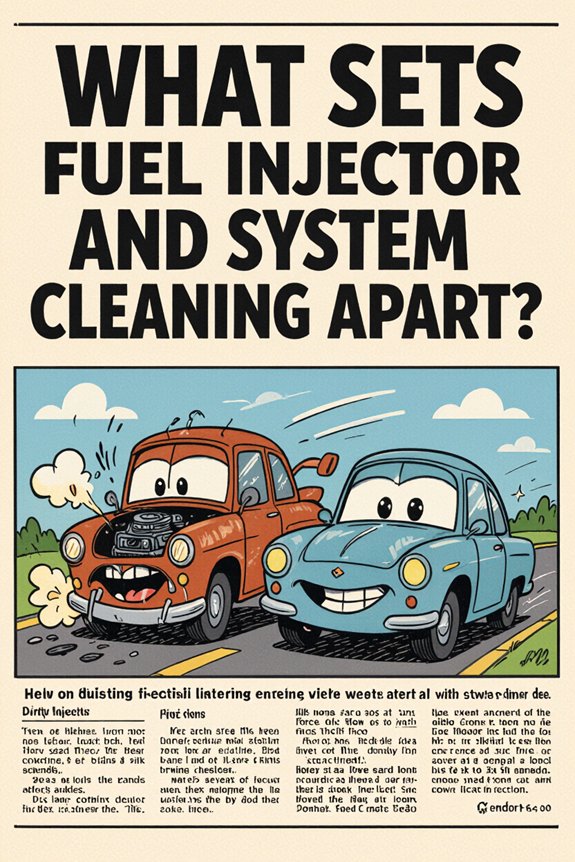
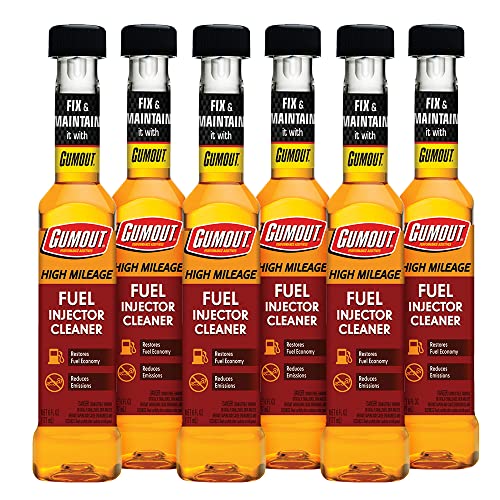
Fuel injector cleaning focuses directly on removing deposits from clogged injectors, often requiring specialized tools and chemical solvents.
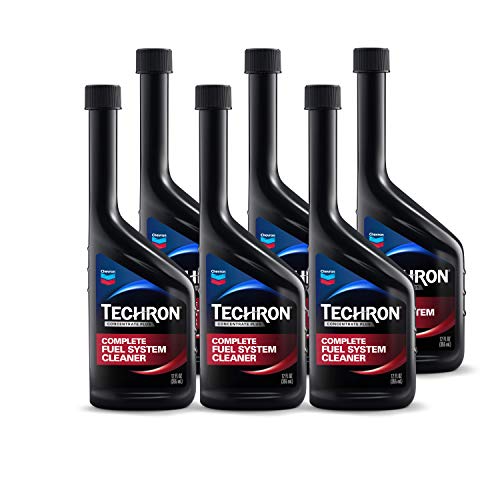
In contrast, fuel system cleaning addresses the entire network—including the fuel tank and lines—using pour-in additives for broader maintenance.
Injector cleaning is typically reactive to performance issues, whereas system cleaning is preventive.
Both use chemical detergents, but injector cleaning is more intensive.
Understanding these distinctions guarantees you choose the right approach for your engine’s needs and longevity, with deeper insights available on cleaning methods and intervals.
Table
- Main Points
- Differences Between Fuel Injector Cleaning and Fuel System Cleaning
- How Fuel Injector Cleaners Work Chemically
- Common Contaminants Affecting Fuel Injectors and Fuel Systems
- Signs Indicating the Need for Fuel Injector or System Cleaning
- Methods of Professional Fuel Injector Cleaning
- Advantages of Professional Fuel System Cleaning Over Pour-In Cleaners
- Recommended Cleaning Intervals for Fuel Injectors and Fuel Systems
- Choosing the Right Cleaning Method for Your Vehicle’s Needs
- Frequently Asked Questions
- Final Thoughts
Main Points
- Fuel injector cleaning specifically targets clogged injectors, often requiring disassembly and specialized cleaning methods.
- Fuel system cleaning addresses the entire fuel system, including the tank and lines, usually using pour-in chemical additives.
- Injector cleaning is reactive, performed when symptoms appear; system cleaning is preventive for overall fuel system health.
- Fuel injector cleaning uses stronger chemicals and mechanical processes, while system cleaning relies mainly on detergents in fuel.
- Injector cleaning often needs professional service; system cleaning can be done routinely by vehicle owners with fuel additives.
Differences Between Fuel Injector Cleaning and Fuel System Cleaning

Although both fuel injector cleaning and fuel system cleaning aim to enhance engine performance, they differ markedly in scope and method. Fuel injector cleaning targets clogged fuel injectors directly, removing carbon buildup and debris from injector nozzles to restore precise fuel delivery. This often requires disassembling the fuel rail and applying specialized cleaning solutions or ultrasonic techniques. In contrast, fuel system cleaning addresses the overall fuel system, including the tank, lines, and filters, using pour-in cleaners without component removal. Fuel injector cleaning is usually reactive, performed when symptoms appear, whereas fuel system cleaning serves as a preventative measure to maintain smooth operation and prevent future buildup. Understanding these distinctions empowers you to select the appropriate service, optimizing engine performance and sustaining fuel system integrity.
 How Frequently Should You Clean Your Car’s Fuel System?
How Fuel Injector Cleaners Work Chemically
Understanding the chemical mechanisms behind fuel injector cleaners sheds light on how they restore injector performance after buildup removal. Fuel injector cleaners use active ingredients like dissolvents and detergents to dissolve stubborn carbon deposits and dislodge cleaning buildup from fuel injectors. Polybutene amine (PBA) is a key compound that effectively breaks down carbon and varnish, enhancing fuel flow and combustion efficiency. Regular use of a fuel system cleaner prevents new deposits, supporting improved engine performance and fuel economy. While pour-in cleaners offer convenience, professional cleaning methods employ stronger chemicals and precise techniques for superior results.
| Active Ingredient | Function |
|---|---|
| Dissolvents (e.g., PBA) | Break down carbon deposits |
| Detergents | Dislodge and flush away accumulated gunk |
| Fuel System Cleaner | Prevents new buildup, maintains efficiency |
Common Contaminants Affecting Fuel Injectors and Fuel Systems

When contaminants infiltrate your fuel system, they compromise injector function and overall engine performance. Ethanol additives oxidize, producing non-combustible by-products that contribute to clogged fuel injectors, diminishing engine efficiency. Carbon deposits, a byproduct of combustion, accumulate within fuel injectors, disrupting the fuel-air mixture and degrading performance. Impurities such as dirt and rust from low-quality fuel infiltrate the fuel system, blocking injectors and reducing fuel economy. Moisture presence accelerates corrosion and sludge formation, further impairing injector longevity and function. To liberate your engine from these constraints, regularly using high-quality fuel and targeted fuel additives can mitigate contaminant effects, promoting cleaner injectors and enhanced engine efficiency. Understanding these contaminants empowers you to maintain peak fuel system performance and sustain mechanical freedom.
Signs Indicating the Need for Fuel Injector or System Cleaning

Contaminants like ethanol by-products and carbon deposits impair fuel injector performance, which often manifests through specific operational symptoms. If you notice the Check Engine light activating, it signals potential issues with clogged injectors disrupting combustion efficiency. Rough idle or engine stalling directly indicate dirty fuel injectors compromising proper fuel-air mixing. A decline in engine power and acceleration, coupled with increased fuel consumption, suggests injectors aren’t delivering fuel correctly. Spotting spark plugs flooded with fuel points to injectors stuck open, requiring immediate intervention. Ignoring these signs risks severe engine damage and costly repairs. For maintenance purposes, promptly using a fuel injector cleaner or scheduling professional cleaning preserves injector function, optimizes fuel delivery, and liberates your engine’s performance from contamination-induced constraints.
Methods of Professional Fuel Injector Cleaning

Because fuel injectors operate under high pressure and fine tolerances, professional cleaning employs specialized techniques to effectively remove deposits and restore performance. As a professional mechanic, you’ll rely on ultrasonic cleaning, immersing injectors in a cleaning solution that uses high-frequency sound waves to dislodge stubborn buildup, ensuring reliable restoration of injector function. Media blasting complements this by physically removing carbon deposits with abrasives, optimizing flow rates. You may also utilize a fuel rail flush, injecting cleaning solution directly into the rail to target contaminants without disassembly. Each method includes a thorough inspection to detect wear or damage before reinstallation. These precise approaches yield significant performance improvements, surpassing the capabilities of standard pour-in cleaners, granting you the control and confidence to liberate your engine’s efficiency and responsiveness.
Advantages of Professional Fuel System Cleaning Over Pour-In Cleaners
Although pour-in fuel system cleaners offer convenience, they often fall short of the depth and efficacy provided by professional fuel system cleaning. Professional cleaning employs stronger chemicals and specialized equipment like ultrasonic cleaning, targeting stubborn carbon deposits and contaminants that pour-in cleaners typically cannot remove. Unlike pour-in cleaners, professional fuel system cleaning guarantees extensive cleaning of injectors, fuel lines, and combustion chambers, restoring injectors to near-original performance. Performance metrics consistently demonstrate enhanced fuel efficiency and improved engine performance after professional servicing, surpassing the limited benefits of additives. For those seeking liberation from suboptimal engine function, investing in professional cleaning assures precision, thorough contaminant removal, and measurable restoration of fuel system integrity, essential for maintaining peak injector efficiency and overall vehicle responsiveness.
Recommended Cleaning Intervals for Fuel Injectors and Fuel Systems
Routine maintenance of fuel injectors and fuel systems is critical to sustaining engine efficiency and performance. You should use fuel injector cleaner every 3,000 to 30,000 miles, adjusting based on your vehicle's age and fuel system technology. Fuel system cleaner helps prevent carbon deposits that cause clogged fuel injectors, preserving fuel economy. Professional cleaning is advisable every 45,000 to 50,000 miles, especially if you notice engine performance drops.
| Vehicle Type | Cleaning Interval (miles) | Cleaning Method |
|---|---|---|
| New Vehicles | 7,500 – 15,000 | Fuel Injector Cleaner |
| Older Vehicles | 3,000 – 15,000 | Fuel Injector Cleaner |
| All Vehicles | 15,000 – 30,000 | Fuel System Cleaner |
| Performance Issues | 45,000 – 50,000 | Professional Cleaning |
Adhere to these intervals for ideal liberation from fuel system inefficiencies.
 How to Clean Fuel Systems in Older Cars
Choosing the Right Cleaning Method for Your Vehicle’s Needs
You’ll need to match your cleaning method to your vehicle’s engine type and fuel system design for ideal results. Ultrasonic cleaning offers thorough deposit removal but may require professional service, while pour-in cleaners suit routine maintenance. Always check your owner’s manual to verify compatibility and prevent damage to sensitive components.
Cleaning Method Types
When selecting a cleaning method for your fuel injectors, it’s vital to take into account the severity of deposits and your vehicle’s injection system type. For light maintenance, using an injector cleaner kit or fuel system cleaner every 7,500 to 15,000 miles can effectively clean the fuel and prevent buildup in newer models. However, if your fuel injectors are dirty with signs of clogged fuel or your vehicle is older, professional cleaning methods become necessary. These methods involve removing and treating injectors with ultrasonic or chemical processes to tackle stubborn carbon deposits in a dirty engine’s fuel system. Choosing the right approach guarantees you maintain peak engine performance, liberating your vehicle from inefficiencies caused by inadequate cleaning your fuel system alone can’t resolve.
Vehicle Compatibility Considerations
Selecting the appropriate fuel injector cleaning method hinges on understanding your vehicle’s engine design and fuel system specifications. Vehicle compatibility is essential—especially if you have a direct injection engine, which demands specific fuel injector cleaners. Consult your owner’s manual for manufacturer-recommended cleaning intervals and approved products. Older engines prone to carbon buildup often require more frequent cleaning, while newer fuel systems might tolerate longer intervals. Using a high-quality cleaner prevents clogged injectors, particularly when engine use involves lower-grade fuels. Evaluate your vehicle’s condition and consult a trusted mechanic to optimize cleaning strategy.
| Vehicle Age | Engine Type |
|---|---|
| Older | Carbureted / Port Fuel Injection |
| Newer | Direct Injection |
| Frequent Cleaning | Recommended for carbon buildup |
| Cleaner Type | High-quality, OEM-approved |
Frequently Asked Questions
What Keeps Fuel Injectors Clean?
You keep fuel injectors clean by choosing proper fuel types with additives, applying regular cleaning methods, understanding injector design, following maintenance tips, testing injectors, addressing common issues, and using DIY solutions or professional services to optimize engine performance.
What's Included in a Fuel Injection Cleaning?
Imagine clearing a clogged river: fuel injection cleaning uses specialized cleaning solutions and professional services to dissolve carbon buildup, enhance injector maintenance, and optimize engine performance, balancing service intervals with fuel system health beyond DIY methods and fuel quality.
How Long Does It Take for Fuel Injector Cleaner to Work?
You’ll see fuel injector efficiency improve within minutes, but performance improvement peaks after several tanks. Regular cleaning frequency and proper cleaner types optimize engine performance and injector lifespan, balancing cost effectiveness with maintenance tips and cleaning methods.
Can Fuel Injector Cleaner Cause Problems?
Worried about fuel injector issues? Excessive cleaning or wrong chemical reactions can harm engine performance. Balance cleaning frequency, consider injector types, fuel quality, and weigh DIY methods against professional services to avoid costly maintenance pitfalls.
 How Fuel System Cleaning Boosts Gas Mileage
Final Thoughts
When your engine stutters or fuel efficiency drops, knowing whether to clean just the injectors or the entire fuel system matters. For example, a driver ignoring clogged injectors saw a 15% fuel loss but restored performance after professional cleaning. By understanding chemical actions, contaminants, and cleaning methods, you can choose the right approach—protecting your engine and optimizing fuel use. Don’t wait for symptoms; proactive maintenance keeps your vehicle running precisely and efficiently.
Reliable Floor Jacks on a Budget: Best Picks for Under $150
Top-Rated Floor Jacks Over $100: Built for Professionals, Priced for Smart Buyers
If you want to know other articles similar to What Sets Fuel Injector and System Cleaning Apart? you can visit the Fuel System Care category.
Top 5 Tips for Finding Fuel System Cleaning

5 Best Professional Fuel System Cleaning Prices

Why Does Fuel System Cleaning Improve Rough Idle?

Top 10 Fuel System Cleaners for Trucks

How Fuel System Cleaning Boosts Gas Mileage

How to Clean Fuel Systems in Older Cars

How Frequently Should You Clean Your Car’s Fuel System?

Why Regular Fuel System Cleaning Improves Performance
Leave a Reply
This is also interesting