












How Frequently Should You Clean Your Car’s Fuel System?


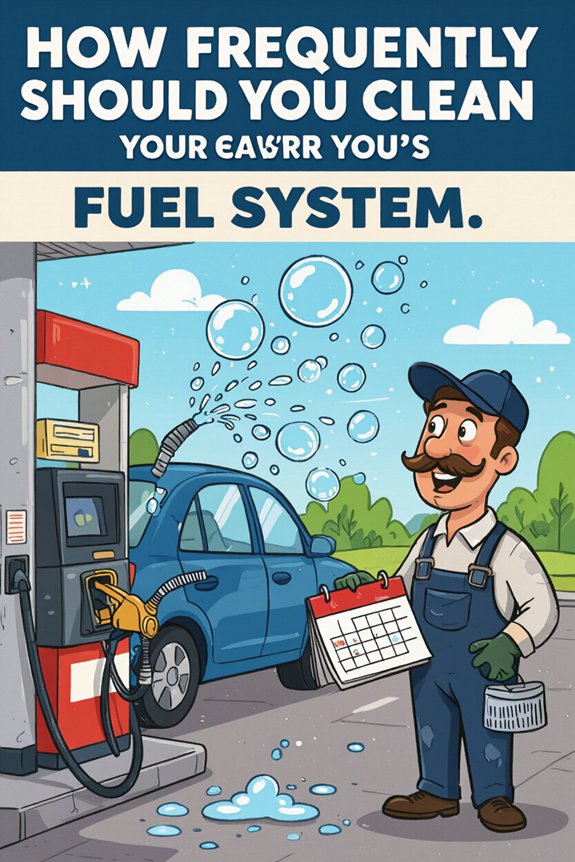
You should clean your car’s fuel system every 60,000 to 90,000 miles to keep your engine running smoothly and efficiently.
If you drive aggressively, face stop-and-go traffic, or take frequent short trips, cleaning may be needed closer to every 30,000 miles.
Signs like rough idling, poor acceleration, or lower fuel economy also signal it’s time.
Regular cleaning prevents costly repairs and guarantees peak performance.
Learn how your driving habits and fuel quality affect this schedule for better care.
Table
- Main Points
- Importance of Regular Fuel System Cleaning
- Recommended Mileage Intervals for Cleaning
- Factors Affecting Cleaning Frequency
- Signs Your Fuel System Needs Cleaning
- Benefits of Timely Fuel System Maintenance
- Different Types of Fuel System Cleaning Services
- How Driving Habits Influence Cleaning Schedule
- Role of Fuel Quality in System Cleanliness
- Risks of Neglecting Fuel System Cleaning
- Consulting Professionals for Personalized Cleaning Plans
- Frequently Asked Questions
- Final Thoughts
Main Points
- Clean the fuel system every 60,000 to 90,000 miles for optimal engine performance and fuel efficiency.
- Older cars or those with performance issues may need cleaning every 30,000 miles.
- Frequent stop-and-go traffic or aggressive driving demands more frequent cleaning, around every 30,000 miles.
- Monitor signs like rough idling, sluggish acceleration, and reduced gas mileage to adjust cleaning intervals.
- Consult your vehicle’s manual or trusted mechanic to tailor cleaning frequency based on driving habits and conditions.
Importance of Regular Fuel System Cleaning

Although it may seem like a minor maintenance task, regularly cleaning your car's fuel system plays an essential role in maintaining ideal engine performance. Fuel system cleaning removes carbon deposits and debris that accumulate over time, which impair fuel efficiency and reduce power output. If you neglect this, you risk rough idling, sluggish acceleration, and increased emissions—clear signs that carbon buildup is hindering your engine’s operation. By committing to regular cleaning, you not only improve gas mileage but also enhance your vehicle’s longevity, reducing wear and tear caused by persistent deposits. This maintenance step liberates your engine from performance decline, ensuring smooth, efficient operation and helping you maintain control over fuel costs and environmental impact.
Recommended Mileage Intervals for Cleaning
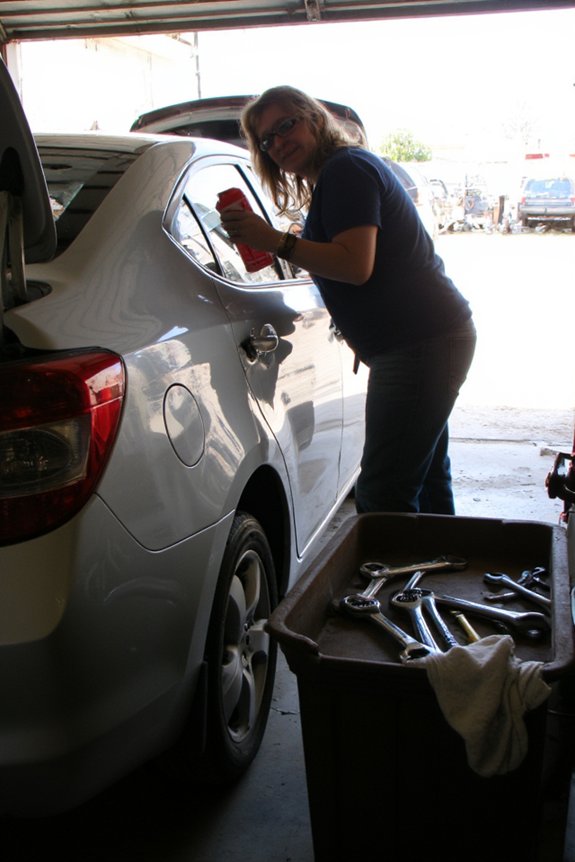
You should plan to clean your car's fuel system every 60,000 to 90,000 miles for peak performance, though some recommend every 30,000 miles for older vehicles or those showing signs of wear. Factors like driving conditions, fuel quality, and engine performance can influence these intervals. Always consult your owner’s manual or a trusted mechanic to tailor the schedule to your specific vehicle needs.
Optimal Cleaning Mileage
Most mechanics recommend cleaning your car's fuel system every 60,000 to 90,000 miles to maintain peak performance and fuel efficiency. This interval aligns with what many manufacturers recommend to prevent carbon deposits from impairing fuel delivery. However, if you drive a high-mileage vehicle or notice performance drops, consider fuel system cleaning every 30,000 miles. Regular maintenance at these intervals helps avoid costly repairs and preserves engine responsiveness. Remember, adhering strictly to mileage guidelines guarantees your vehicle operates efficiently and reduces emissions. By monitoring your car’s performance and following these recommended intervals, you liberate yourself from unexpected breakdowns and maintain maximum fuel economy. Trusting manufacturer recommendations combined with mechanic expertise creates a precise maintenance schedule tailored to your driving needs.
Influencing Driving Factors
While the general guideline suggests cleaning your fuel system every 60,000 to 90,000 miles, various driving conditions can require adjustments to this interval. Stop-and-go traffic increases carbon buildup, demanding more frequent fuel system cleaning compared to steady highway driving. Using lower-quality fuels with impurities accelerates deposits, meaning you’ll need preventative maintenance sooner to avoid clogs. If you notice rough idling, sluggish acceleration, or decreased miles per gallon, these symptoms indicate your fuel system needs attention before the recommended mileage. Regularly monitoring your vehicle’s performance and scheduling maintenance checks empower you to tailor cleaning intervals precisely, ensuring maximum engine efficiency. Embracing these influencing driving factors liberates you from rigid schedules, allowing fuel system cleaning to align with your car’s actual condition and your driving style.
Mechanic Recommendations
Although driving conditions vary widely, mechanics typically recommend cleaning your car's fuel system every 60,000 to 90,000 miles to maintain peak engine performance and prevent carbon buildup. For preventative care, especially in older vehicles or those showing symptoms, a 30,000-mile interval is advised. Your driving habits and fuel quality can affect these intervals, so adjust accordingly. Monitor your vehicle’s gas mileage and acceleration to identify when fuel system cleaning is necessary. Consult your owner's manual or a trusted mechanic for tailored advice.
| Mileage Interval | Vehicle Condition | Recommended Action |
|---|---|---|
| 30,000 miles | Older or performance issues | Early fuel system cleaning |
| 60,000 miles | Normal wear | Standard cleaning interval |
| 90,000 miles | ideal maintenance | Thorough fuel system cleaning |
Following these mechanic recommendations guarantees fuel system efficiency and engine freedom.
 How to Clean Fuel Systems in Older Cars
Factors Affecting Cleaning Frequency
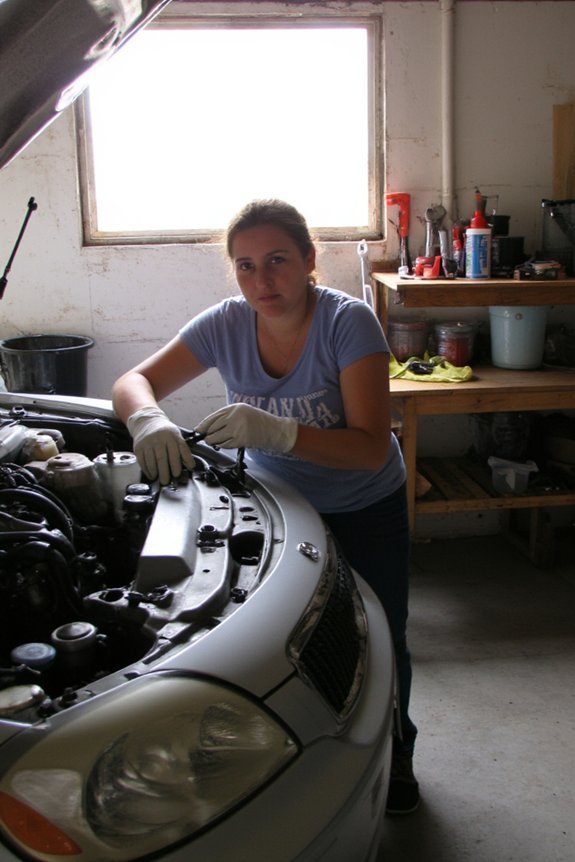
You’ll need to adjust your fuel system cleaning schedule based on how you drive and the quality of fuel you use. Frequent short trips and stop-and-go traffic can accelerate deposit buildup, requiring more frequent maintenance. Additionally, using lower-grade or contaminated fuel can increase carbon deposits, making timely cleaning essential to maintain performance.
Driving Habits Impact
Because your driving habits directly influence fuel system wear, understanding their impact is essential for determining cleaning frequency. Frequent short trips prevent your engine from reaching ideal temperature, increasing carbon buildup and requiring fuel system cleaning every 30,000 miles rather than the standard 60,000–90,000. Aggressive driving, including rapid acceleration and hard braking, accelerates fuel system degradation, demanding earlier maintenance. Stop-and-go traffic also promotes contaminant accumulation, further shortening cleaning intervals. Monitoring performance indicators like reduced fuel efficiency or rough idling helps you identify when cleaning is necessary regardless of mileage. By adapting fuel system cleaning every to your specific driving habits, you maintain ideal engine performance and prolong your vehicle’s life, granting you the freedom to drive confidently without unexpected breakdowns or efficiency losses.
Fuel Quality Influence
Three key factors in fuel quality greatly influence how often you need to clean your car’s fuel system. First, lower fuel quality, often laden with impurities and subpar additives, accelerates carbon deposit buildup, forcing you to clean your fuel system more frequently—sometimes within 30,000 miles. Second, using higher-octane fuels fortified with effective detergents minimizes deposit formation, allowing you to extend cleaning intervals up to 90,000 miles. Third, frequent use of ethanol-blended fuels can introduce moisture, increasing corrosion risks and necessitating more regular maintenance. By prioritizing high fuel quality and choosing reputable fuel brands, you maintain a cleaner fuel system, enhancing engine performance and reducing the need for premature cleanings. Understanding these factors empowers you to optimize your vehicle’s fuel system care with precision and freedom.
Signs Your Fuel System Needs Cleaning
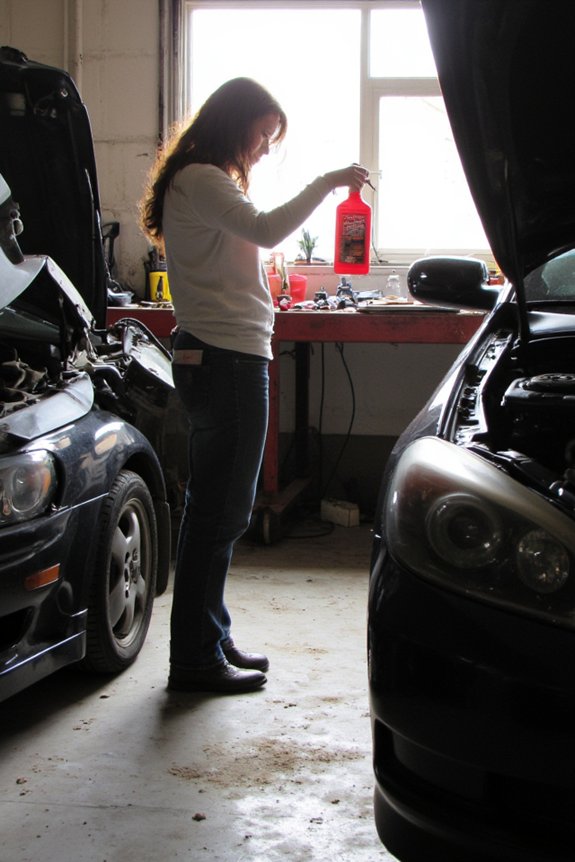
Several key indicators can alert you that your car’s fuel system needs cleaning. A notable drop in miles per gallon signals that fuel injectors may be clogged, restricting fuel flow. You might notice rough idling or sluggish acceleration, both signs of carbon buildup impeding injector performance. Engine misfires often stem from dirty injectors, risking more severe damage if ignored. If your tachometer needle stutters during driving, erratic fuel flow is likely the culprit, indicating injector blockage. Difficulty starting your vehicle or throttle hesitation also points to compromised fuel delivery. Recognizing these symptoms early empowers you to act promptly. Cleaning your fuel system restores peak operation, liberating your engine from inefficiencies caused by clogged fuel injectors and ensuring reliable performance.
Benefits of Timely Fuel System Maintenance
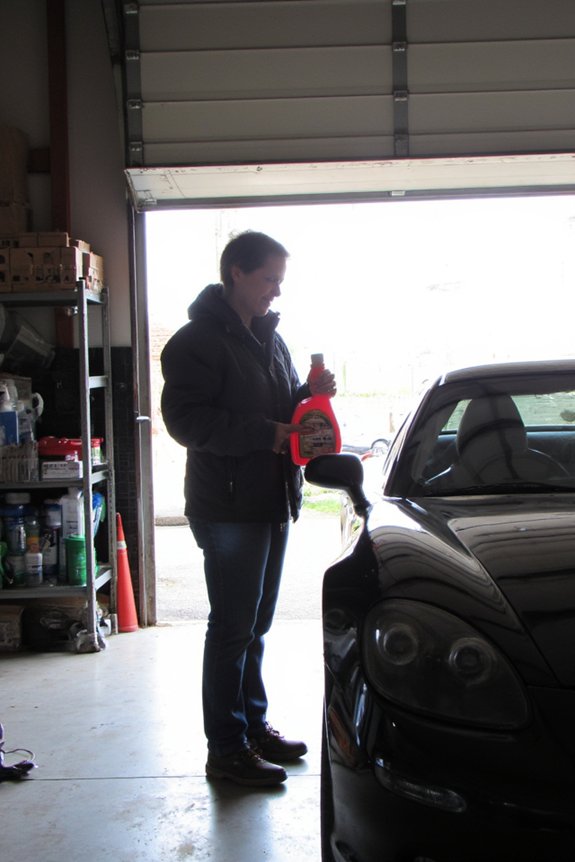
Recognizing the signs of a dirty fuel system is just the first step; maintaining it regularly delivers measurable benefits. Timely fuel system cleaning, recommended every 30,000 to 90,000 miles, optimizes fuel atomization and combustion, greatly improving your vehicle’s fuel economy. By eliminating carbon deposits and impurities, cleaning prevents rough idling and sluggish acceleration, enhancing performance reliability. Regular maintenance reduces engine wear caused by buildup, extending engine life and minimizing costly repairs. Additionally, a clean fuel system lowers harmful emissions, ensuring your car meets environmental standards and supports cleaner air. Addressing fuel system issues early helps maintain consistent power delivery and fuel efficiency, empowering you with a smoother, more efficient driving experience while preserving your vehicle’s longevity and environmental compliance.
Different Types of Fuel System Cleaning Services
Fuel system cleaning services target specific components to restore ideal engine function and efficiency. You can choose from several specialized options based on your vehicle’s needs. Fuel injector cleaning clears clogged injectors, optimizing fuel flow and spray patterns to boost engine performance and fuel economy. Throttle body cleaning eliminates carbon buildup, improving air intake regulation and resolving issues like uneven acceleration or sticky pedals. Intake valve and combustion chamber cleaning removes deposits that disrupt combustion timing, preventing knocking and power loss. For thorough care, full fuel system cleaning addresses injectors, throttle body, intake valves, and combustion chambers—ideal for high-mileage vehicles or those suffering noticeable performance decline. Regular fuel system cleaning guarantees each component operates efficiently, preserving your car’s performance and fuel efficiency while preventing costly repairs.
How Driving Habits Influence Cleaning Schedule
Anyone's driving habits greatly impact how often you'll need to clean your car's fuel system. Aggressive acceleration or frequent short trips increase carbon and residue buildup, reducing fuel efficiency and necessitating more frequent cleaning. Your driving style dictates the ideal maintenance interval to maintain peak performance.
Driving style influences fuel system cleaning frequency to keep your car running efficiently and smoothly.
Consider these key factors:
- Aggressive driving demands cleaning every 30,000 miles due to rapid carbon accumulation.
- Frequent short trips prevent ideal engine temperature, requiring cleaning between 30,000 and 60,000 miles.
- Consistent highway driving allows longer intervals, up to 90,000 miles, thanks to better fuel atomization and combustion.
Your type of fuel and driving habits align to determine the cleaning schedule. Adjust your maintenance to liberate your vehicle from inefficiencies caused by varying fuel system contaminants.
Role of Fuel Quality in System Cleanliness
One critical factor influencing your car's fuel system cleanliness is the quality of the fuel you use. Fuel quality directly affects deposit formation within fuel systems; higher-quality fuels contain fewer impurities and often include detergents that inhibit carbon buildup. Opting for fuels with Top Tier additives helps maintain cleaner injectors and combustion chambers, thereby extending intervals between cleanings. Conversely, lower-quality fuels promote varnish and carbon deposits, accelerating contamination and necessitating more frequent maintenance. You should prioritize reputable brands and monitor fuel sources, especially in regions with inconsistent fuel standards, to stabilize fuel system performance. By controlling fuel quality, you reduce deposit accumulation, optimize engine efficiency, and effectively prolong the operational lifespan of your fuel systems, granting you greater freedom from premature, costly cleaning procedures.
Risks of Neglecting Fuel System Cleaning
If you neglect fuel system cleaning, expect a noticeable decline in engine performance due to clogged injectors and restricted fuel flow. This degradation not only causes sluggish acceleration and rough idling but also increases wear on critical engine components. Over time, these issues can escalate into costly repairs or even engine replacement.
 How Fuel System Cleaning Boosts Gas Mileage
Performance Decline Risks
When you neglect cleaning your car’s fuel system, you risk a noticeable drop in fuel efficiency and engine performance. This performance decline stems from carbon buildup that disrupts ideal fuel delivery and combustion. Ignoring fuel system cleaning leads to:
- Clogged fuel injectors causing engine misfires and rough idling, which degrade overall engine function.
- Sluggish acceleration and loss of power, indicating impaired combustion efficiency.
- Increased emissions, risking non-compliance with environmental regulations.
Regular fuel system cleaning restores proper injector function and combustion, maintaining fuel economy and engine responsiveness. By addressing these risks proactively, you guarantee your vehicle runs smoothly, efficiently, and within emission standards, liberating yourself from avoidable performance issues.
Increased Repair Costs
Neglecting to clean your car’s fuel system can quickly lead to costly repairs that strain both your vehicle and your wallet. Carbon buildup, clogged injectors, and inefficient fuel atomization reduce engine efficiency, causing increased wear and premature failures. These issues inflate repair costs dramatically—regular cleaning helps prevent them.
| Problem | Impact on Vehicle | Estimated Repair Costs |
|---|---|---|
| Clogged Fuel Injectors | Poor fuel atomization | $1,000+ |
| Engine Misfiring | Rough idling, sluggishness | $500–$1,500 |
| Carbon Buildup | Engine wear, reduced lifespan | $4,000+ (replacement) |
| Spark Plug & Ignition Stress | Additional component wear | $500–$1,000 |
| Decreased Fuel Economy | Increased fuel expenses | Ongoing cost increase |
Prioritize fuel system cleaning every 30,000 to 90,000 miles to avoid these escalating repair costs and maintain your car’s liberation through peak performance.
Consulting Professionals for Personalized Cleaning Plans
Because every vehicle and driving style differs, consulting a professional mechanic is essential to determining the ideal fuel system cleaning schedule for your car. By consulting a mechanic, you gain tailored insights based on your driving habits, vehicle age, and fuel quality, ensuring precise maintenance. Mechanics typically recommend fuel system cleaning every 60,000 to 90,000 miles, but your specific needs may vary.
Consult a mechanic to tailor your fuel system cleaning schedule to your vehicle and driving style.
Key benefits of consulting a mechanic include:
- Early detection of fuel system issues through professional assessment.
- Fuel pressure testing to identify underlying problems before cleaning.
- Development of a personalized cleaning plan that maximizes fuel efficiency and engine longevity.
This approach liberates you from guesswork, optimizing your car’s performance and extending its operational life effectively.
Frequently Asked Questions
How Often Should I Do Fuel System Cleaning?
You should perform fuel system maintenance every 30,000 to 90,000 miles, depending on driving conditions. Monitoring signs helps adjust cleaning frequency, ensuring ideal engine performance and fuel efficiency while avoiding costly repairs.
Is Fuel System Cleaning Service Necessary?
You’ll find fuel system cleaning essential for fuel injector maintenance and performance improvement. It removes deposits, boosts combustion efficiency, and prevents engine damage, ensuring your vehicle runs smoothly and efficiently without unnecessary fuel waste or power loss.
How Do I Know if My Fuel System Needs Cleaning?
You’ll spot fuel system indicators like rough idling, sluggish acceleration, and erratic tachometer behavior. These cleaning signs signal clogged injectors or inefficient combustion, urging you to act promptly for ideal engine performance and fuel efficiency.
What Happens if You Don't Clean Your Fuel System?
If you don’t clean your fuel system, you’ll face fuel system issues like clogged injectors, which degrade engine performance, causing misfires, sluggish acceleration, increased fuel consumption, and eventually costly repairs that limit your vehicle’s reliability and freedom.
 Top 10 Fuel System Cleaners for Trucks
Final Thoughts
You might think skipping fuel system cleaning saves time and money, but neglecting it invites costly engine issues and reduced efficiency. Regular maintenance, aligned with your driving habits and fuel quality, guarantees peak performance and longevity. By recognizing signs early and consulting professionals, you avoid unexpected repairs. Balancing routine cleaning against potential risks isn't just smart—it's crucial for keeping your car running smoothly and saving you from expensive problems down the road.
Reliable Floor Jacks on a Budget: Best Picks for Under $150
Top-Rated Floor Jacks Over $100: Built for Professionals, Priced for Smart Buyers
If you want to know other articles similar to How Frequently Should You Clean Your Car’s Fuel System? you can visit the Fuel System Care category.
Top 5 Tips for Finding Fuel System Cleaning

5 Best Professional Fuel System Cleaning Prices

Why Does Fuel System Cleaning Improve Rough Idle?

Top 10 Fuel System Cleaners for Trucks

How Fuel System Cleaning Boosts Gas Mileage

How to Clean Fuel Systems in Older Cars

What Sets Fuel Injector and System Cleaning Apart?

Why Regular Fuel System Cleaning Improves Performance
Leave a Reply
This is also interesting