

Foundation Floor Jacks for Basements: Install and Cost


As an Amazon Associate we earn from qualifying purchases made through the links on this page. Prices and availability are set by Amazon.
A foundation floor jack in a basement is a steel post with a screw head, set on a footing under a beam, that holds the floor at its current height or lifts it back toward level. It is a permanent structural repair, not a car jack, and the jack is only half the job: the cause of the movement (water, soil, a cracked footing) has to be dealt with or the floor will move again.
If the floor is dropping, check with your local building department before you install anything. Structural repairs usually need a permit and an inspection, and an engineer should specify the post spacing and the footing. The three jacks below are the hardware; the design is the part that keeps the house safe.
What a basement floor jack is, and what it is not
A permanent jack post is a steel column with a threaded screw at the top. You set the base on a concrete footing, put the saddle under the beam, and turn the screw until the post takes the load. A locking nut or pin holds the setting. It does not rely on hydraulic pressure, so it does not bleed down the way a bottle jack does.
That is why a car jack is the wrong tool here. A hydraulic floor jack is designed to lift and then be lowered onto stands; leaving one under a house puts a seal under a load it was never meant to hold. The same goes for a bottle jack, a scissor jack or a stack of blocks. Use a post made for the job, with a rated load and a mechanical lock.
Three foundation jacks you can buy today
Prices and ratings read on amazon.com on 25 November 2026. All three are in stock. Match the height range to the gap you actually have, then check the load rating against the load the engineer gives you.
| Jack | Height | Rated load | Price | Rating |
|---|---|---|---|---|
| Bldewstg house leveling jacks, 4-pack | 11-16 in | 11,023 lb each | $62.02 | 4.8 (20) |
| QARCMQ jack posts for crawlspaces | 16.5-30 in | 10,000 lb | $119.99 | 4.5 (114) |
| TRUCFUSION screw jacks for home leveling | 9.5-15 in | 22,046 lb | $94.86 | 4.7 (5) |
The 4-pack is the cheapest way to get four posts for a crawlspace or a low basement. The QARCMQ post covers 16.5 to 30 inches, which is the range for a deeper crawlspace or a basement with a high beam. The TRUCFUSION screw jack has the highest rating at 22,046 lb, but it only covers 9.5 to 15 inches, so measure before you buy.
How to size a foundation jack
The number that matters is the load on that one post, not the weight of the house. A post under the middle of a beam carries the floor load from halfway to the next post on each side, plus the beam itself. An engineer can give you that number from the span and the joist spacing; guessing it from the square footage of the house is how people end up with a post that is too small.
The rated load is a ceiling, not a target. A post rated at 11,023 lb is not an instruction to put 11,023 lb on it. Leave a margin for the beam, the footing and anything the floor is carrying. The footing matters just as much: a 4-inch slab is not a footing, and a post that punches through the floor is worse than the sag you started with.
Installing a permanent basement jack
- Find the beam and the joists it carries. The post goes under the beam, not under a single joist.
- Dig to undisturbed soil, or break out the slab and pour a footing sized for the load. The base has to sit flat and square.
- Set the post plumb. A post that leans is a post that is carrying the load sideways.
- Put the saddle under the beam, then turn the screw a quarter turn at a time. Watch the floor, the doors and the walls as you go.
- Lock the nut or pin. Check the post again after a day and after a week; a little settlement is normal, a sudden drop is not.
Lift slowly. Trying to take a two-inch sag out in one afternoon is how cracks appear in plaster and doors stop closing. If the floor does not move evenly, stop and get the engineer back.
What it costs
The jacks are the cheap part: $62 to $120 for the hardware above. The rest is the footing, the concrete, the labor and the inspection. A contractor quote should separate those lines, and you should get two quotes for anything structural. A quote that only covers "jacks" and does not mention a footing is not a foundation repair.
Frequently asked questions
How many jacks does a basement need?
One under each beam that needs support, spaced to the engineer's plan. More posts is not automatically better: each one needs a footing, and a post that is not carrying load is just a column in the way.
Can I use a hydraulic car jack to level a floor?
To lift, briefly, yes, if it is rated for the load and you put a proper post under the beam before you take the jack away. To hold, no. Hydraulic jacks bleed down and are not a permanent support.
Do I need a permit for a foundation jack?
Usually, yes, because it is a structural repair. Call the local building department before you buy anything. The permit is also the inspection that tells you the footing is right.
How much can I lift at once?
A quarter turn at a time, over days, not inches in an afternoon. The goal is to stop the movement and take out the worst of the sag, not to return a 60-year-old house to its original drawings.
Bottom line
Buy the post that matches the height and the load, put it on a real footing, and get the design checked before you install it. The Bldewstg 4-pack is the low-cost way to support several joists, the QARCMQ covers the deeper gaps, and the TRUCFUSION is the heavy-duty option for a short span.
Related posts
Ultimate Guide: How to Jack Up Floor from Crawl Space Like a Pro!

Step-by-Step Guide: How to Jack Up a Floor Joist Like a Pro

Foundation Floor Jacks: Support & Sizing Guide

Ultimate Guide to Floor Stabilizer Jacks: Top Picks for Secure Leveling

Find the Best Concrete Floor Jacks for Your Home or Business

Find Out What Size Floor Jack You Need for a Ford F-150

The Best Toy Floor Jack for Your Home Workshop
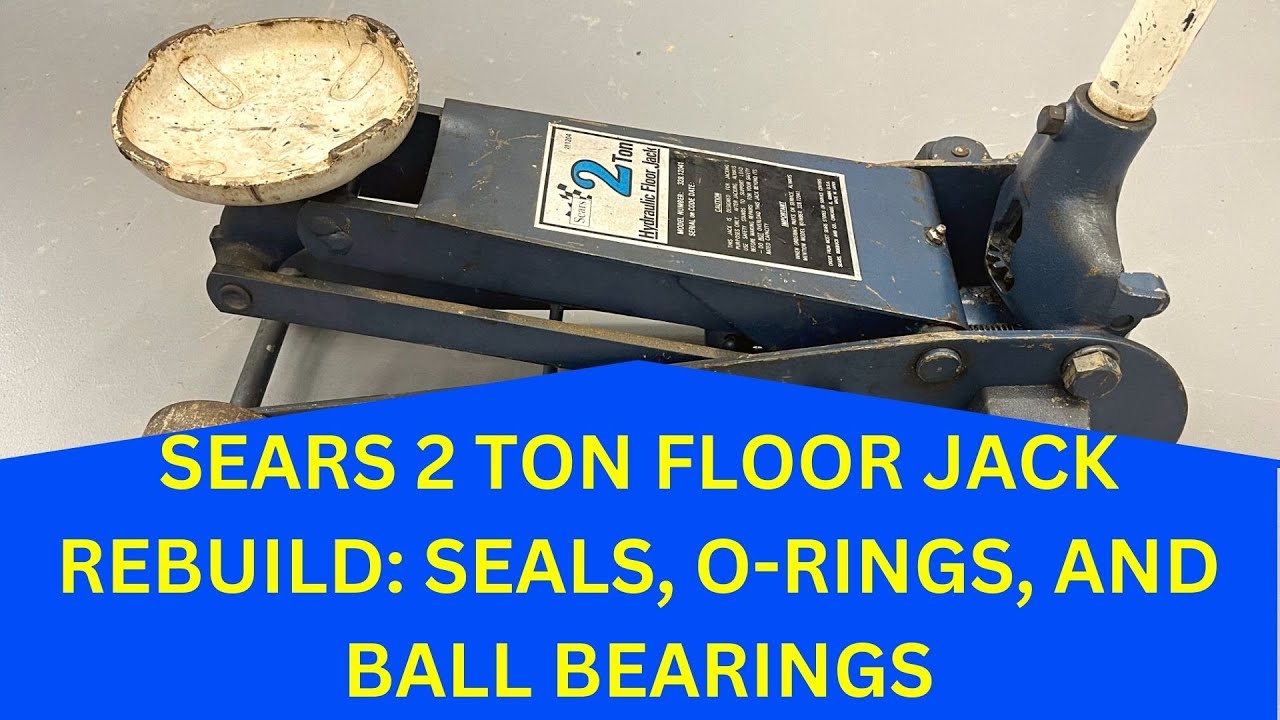
Buy a High Quality Sears Hydraulic Floor Jack for Your Automotive Needs