


How to Install Permanent Basement Floor Jacks for a Strong Foundation

53 articles
A floor jack lifts one corner of a vehicle so you can put a jack stand under it. The two numbers that decide whether a jack works for your car are its rated capacity and its lift range. Capacity is stamped on the jack and usually written in tons: 2 tons is 4,000 lb, 3 tons is 6,000 lb. Lift range is the height of the saddle at rest and at full extension. Everything else, from steel versus aluminum to the shape of the saddle, is a detail you choose after those two fit.
How to Install Permanent Basement Floor Jacks for a Strong Foundation

Find Out What Size Floor Jack You Need for a Ford F-150

The Best Toy Floor Jack for Your Home Workshop
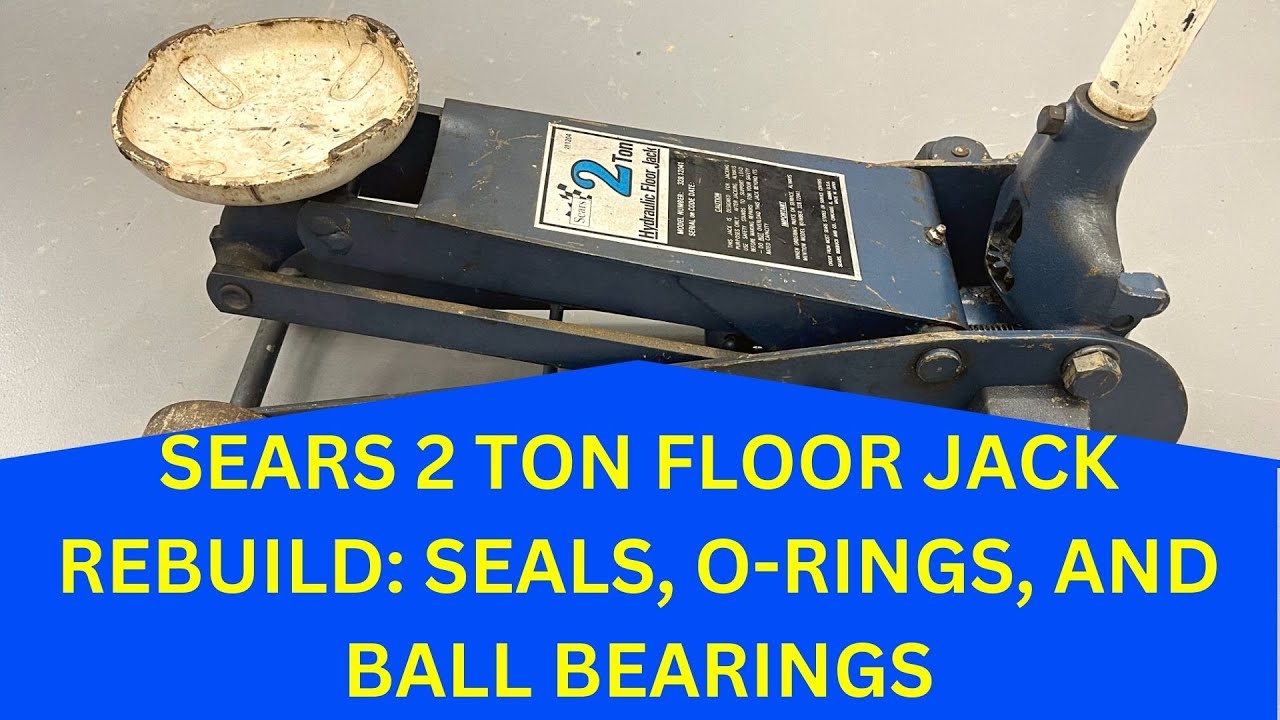
Buy a High Quality Sears Hydraulic Floor Jack for Your Automotive Needs
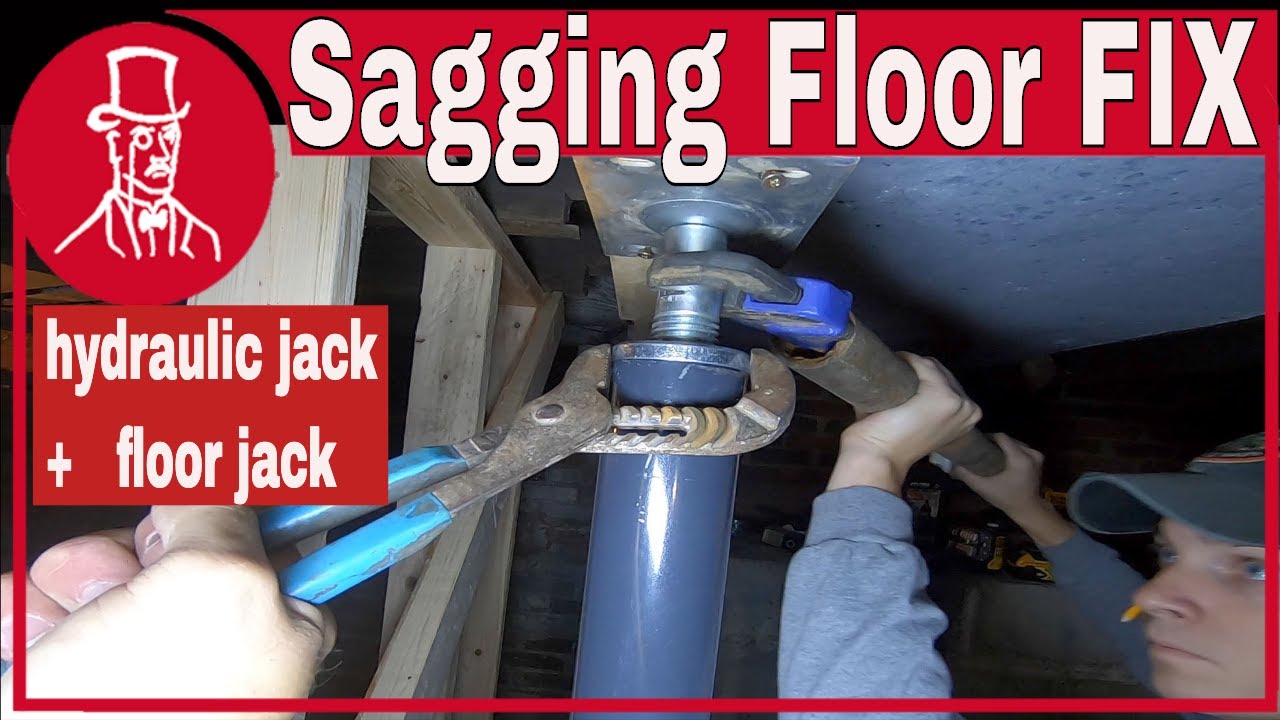
How to Choose the Best Screw Floor Jack for Your Needs
A jack lifts one corner at a time, and each corner of a car carries roughly a quarter of its weight. A 3,500 lb sedan puts about 875 lb on the corner you lift, so a 2-ton jack has a wide margin. A full-size SUV or a pickup is heavier and sits higher, which is why the usual advice is 3 tons for trucks and SUVs and 4 tons or more for heavy-duty use. Add margin if you lift a loaded truck, a van or a vehicle with a heavy front end.
The rating applies to the jack, not to the pair of stands you put under the car afterwards. A jack holds the load for seconds; the stands hold it for the whole job.
Slide a tape under the car at the jacking point and write down two numbers: the clearance at rest and the height you need to reach to get a stand under it. The first number decides whether you need a low-profile jack. In the models compared on this site, the low-profile jacks start at 2.95 to 3.64 inches, while standard trolley jacks often start around 5 inches. A low front bumper or a lowered car will not clear the standard saddle.
The second number decides the maximum lift. Most 3-ton jacks in the list reach about 19.7 to 20.1 inches. Lifted trucks need more, and that is where the 20-inch-plus and high-lift models come in.
Steel jacks are heavier and usually cheaper for the same capacity. Aluminum jacks are easier to carry and common in racing-style low-profile models, but the lighter frame is one reason to check the rating rather than assume it. A low-profile jack buys clearance at the start of the lift; it does not raise the maximum height, and some low-profile models reach less far than a standard jack of the same capacity.
A jack is a lifting tool, not a support. Once the car is up, put jack stands under the frame or the manufacturer's lifting points and lower the jack onto them. Work on level ground, chock the wheels that stay down, and never put any part of your body under a car held only by hydraulic pressure.
For a car, start with the best floor jack roundup and the 2-ton models. If clearance is the problem, go to the low-profile jacks. For an SUV or a pickup, compare the 3-ton jacks and the truck and SUV picks. If you would rather not lift the car at all for an oil change, a car ramp is the other way in. If you are shopping at Harbor Freight, the Harbor Freight floor jack guide covers the Daytona and Badland lines model by model.
Best Floor Jacks is a guide to help people with deciding which floor jack is the best for their home or garage.
Disclaimer
This site recommends Amazon products and has affiliate links for which we take commission on each sale.
We only recommend high quality products, with good ratings and that we strongly believe can help you in your projects.
All images and videos are copyrighted to their respective owners. All content cited is derived from their respective sources.