









Honda Civic Air Filter Replacement Frequency Guide


You should replace your Honda Civic’s engine air filter every 30,000 to 45,000 miles to guarantee proper airflow and peak engine performance.
Dusty or polluted driving conditions may require more frequent changes, possibly as often as every 15,000 miles. A clogged filter can reduce acceleration, increase fuel consumption, and trigger warning lights.
Regular inspection helps catch dirt buildup early. Understanding these factors helps you maintain your Civic’s efficiency and longevity—explore more to keep your vehicle running smoothly.
Table
- Main Points
- What Is an Engine Air Filter?
- Why Engine Air Filter Replacement Is Important
- Signs Your Honda Civic’s Engine Air Filter Needs Replacement
- Recommended Replacement Intervals for Honda Civic Engine Air Filters
- Factors That Affect Air Filter Replacement Frequency
- How Driving Conditions Influence Air Filter Longevity
- The Role of Cabin Air Filters in Vehicle Maintenance
- Identifying When the Cabin Air Filter Needs Changing
- Tips for Inspecting and Maintaining Your Honda Civic’s Air Filters
- Where to Get Professional Air Filter Replacement Services
- Frequently Asked Questions
- Final Thoughts
Main Points
- Replace the Honda Civic engine air filter every 30,000 to 45,000 miles under normal driving conditions.
- Inspect the air filter visually for discoloration; replace if it shifts from white to grey or black.
- In dusty or polluted environments, replace the air filter more frequently, about every 15,000 miles.
- The Maintenance Minder system signals a B2 code near 30,000 miles, indicating it's time for replacement.
- Monitor signs like reduced acceleration, increased fuel consumption, or engine warning lights for early replacement.
What Is an Engine Air Filter?

An engine air filter acts as a barrier that stops dirt, dust, and debris from entering your Honda Civic’s engine, ensuring it runs efficiently and performs at its finest. This mechanical component traps contaminants before they reach critical engine parts, preserving ideal combustion and preventing damage. Over time, the filter collects particles, becoming dirty and clogged, which restricts airflow and compromises engine function. You’ll need engine air filter replacement when visual inspection reveals a shift from white to grey or black, signaling it’s no longer effective. Regularly replacing this filter maintains clean airflow, safeguarding acceleration and fuel efficiency. Staying vigilant about the filter’s condition liberates you from performance issues and costly repairs, keeping your Civic responsive and reliable.
Why Engine Air Filter Replacement Is Important

You need to replace your Honda Civic’s engine air filter regularly to maintain peak engine efficiency and prevent damage caused by contaminated airflow. A clean air filter guarantees proper combustion, which improves fuel economy and acceleration. Neglecting this maintenance can lead to restricted airflow, engine misfires, and costly repairs.
Engine Efficiency Impact
When your engine air filter stays clean, it guarantees the proper amount of filtered air reaches the combustion chamber, which is essential for efficient fuel ignition. The engine needs unrestricted airflow to enhance combustion, and a clogged filter limits this, causing reduced power and poor acceleration. Having your air filter replaced regularly guarantees your Civic breathes freely, maintaining fuel efficiency and engine performance.
| Condition | Impact on Engine Efficiency |
|---|---|
| Clean Filter | Ideal airflow, better fuel combustion |
| Dirty Filter | Restricted airflow, sluggish acceleration |
| Clogged Filter | Increased fuel consumption, power loss |
| Filter Replaced Timely | Maintains engine needs, maximizes performance |
Replacing the air filter keeps your engine running smoothly, preventing inefficiencies and supporting liberation through reliable performance.
Preventing Engine Damage
Maintaining a clean engine air filter does more than improve fuel efficiency and power—it protects your engine from damage. When the air filter clogs, airflow decreases, causing sluggish acceleration and reduced power. Neglecting to replace the air filter every 30,000 to 45,000 miles can lead to engine misfires and backfiring due to an improper air-fuel mixture. Dark exhaust smoke often signals a restricted air filter, indicating potential engine performance problems. Contaminants entering through a dirty filter increase wear, risking costly repairs. By ensuring your Honda Civic’s air filter is replaced every recommended interval, you maintain ideal airflow, prevent engine strain, and preserve the longevity of critical engine components. This proactive maintenance frees you from unexpected breakdowns and expensive engine damage.
Fuel Economy Benefits
Although it’s easy to overlook, replacing your Honda Civic’s engine air filter considerably boosts fuel economy by up to 10%. A clean engine air filter allows ideal airflow, enabling your engine to burn fuel efficiently. When the filter clogs, airflow restricts, causing incomplete combustion and reducing fuel economy by 2-4 miles per gallon. To maintain peak performance and maximize fuel economy, replace the engine air filter every 30,000 to 45,000 miles under normal conditions. In dusty or polluted environments, change it more frequently—around every 15,000 miles—to prevent efficiency loss. Keeping your air filter clean not only improves fuel economy but also enhances acceleration and responsiveness, giving you a more liberated and efficient driving experience. Prioritize this simple maintenance to access your Civic’s true potential.
Signs Your Honda Civic’s Engine Air Filter Needs Replacement

You’ll notice reduced acceleration power when your Honda Civic’s engine air filter is clogged, as it restricts airflow and limits performance. Visually inspecting the filter for dirt or discoloration can help you identify when it’s time for a replacement. Additionally, engine warning lights, like the Service Engine light, often alert you to issues caused by a dirty air filter.
 How to Spot a Clogged Car Air Filter
Reduced Acceleration Power
When your Honda Civic experiences reduced acceleration power, it often signals a clogged engine air filter restricting airflow to the engine. This limitation impacts combustion efficiency and overall performance. You might notice:
- Sluggish acceleration response when pressing the gas pedal
- Decreased engine power during acceleration phases
- Engine misfires due to insufficient air supply
- Dark exhaust smoke indicating improper air-fuel mixture
- Increased fuel consumption as the engine compensates
Regular inspection and replacement of the engine air filter every 30,000 to 45,000 miles liberate your Civic’s full acceleration potential. Don’t let a dirty air filter hold back your vehicle’s performance—maintain ideal airflow for precise combustion and smooth power delivery.
Visible Filter Dirt
Reduced acceleration power often points to a clogged engine air filter, but spotting visible dirt on the filter itself provides a direct indication that it's time for replacement. The air filter keeps contaminants from entering your engine, but over time, visible filter dirt accumulates, turning the filter grey or black instead of its original white or off-white. Inspect between the pleats for heavy grime or clogs, especially if you’ve driven over 10,000 miles in dusty conditions. This buildup restricts airflow, harming engine performance. Regularly checking the air filter keeps your Honda Civic running efficiently and prevents misfires or exhaust issues. Don’t wait for symptoms—visible filter dirt is a clear, immediate signal to replace the filter and maintain your vehicle’s ideal operation.
Engine Warning Lights
Engine warning lights serve as critical indicators that your Honda Civic’s air filter may require immediate attention. When the air filter clogs, it restricts airflow, causing the engine light to activate. Ignoring these signals can lead to reduced engine efficiency or damage. Watch for these signs:
- Flashing Service Engine light indicating air filter-related issues
- Slow acceleration due to restricted air intake
- Dark exhaust smoke from an oxygen-starved engine
- Engine misfires caused by inadequate combustion air
- Reduced fuel economy and overall performance decline
Recommended Replacement Intervals for Honda Civic Engine Air Filters

You should replace your Honda Civic's air filter every 30,000 to 45,000 miles under normal driving conditions to maintain peak engine performance. This engine air filter replacement interval guarantees ideal airflow and protects your engine from contaminants. Although the Maintenance Minder system signals a B2 code near 30,000 miles, don’t rely solely on it; personal inspection is vital. Some filters accumulate debris faster and may require earlier replacement. Timely replacement of your engine air filter not only preserves fuel efficiency but also extends engine longevity, freeing you from avoidable breakdowns. By adhering to these recommended intervals, you can confidently enhance your Civic’s performance and maintain its reliability without unnecessary constraints or delays.
Factors That Affect Air Filter Replacement Frequency

While the recommended replacement intervals provide a solid baseline, several factors can influence how often you'll need to change your Honda Civic's air filter. Understanding these variables helps you optimize air filter replacement for your specific needs. Key factors include:
- Driving conditions: Dusty or polluted environments accelerate filter clogging.
- Traffic patterns: Frequent stop-and-go traffic increases airborne debris exposure.
- Climate: Warm weather can degrade filter efficiency faster than cooler climates.
- Terrain: Rough, unpaved roads introduce more particles, shortening filter life.
- Personal health: Allergies may require more frequent replacements to maintain air quality.
How Driving Conditions Influence Air Filter Longevity
Because driving conditions directly impact the amount of dirt and debris your Honda Civic's air filter encounters, they play an essential role in determining its lifespan. In dusty or off-road environments, you'll need air filter replacement as often as every 15,000 miles due to accelerated contamination. Heavy stop-and-go traffic increases engine pollutants, clogging the filter faster and shortening its effective service life. Warmer climates also contribute to quicker filter degradation, requiring more frequent inspections. Urban areas with elevated pollution levels similarly demand earlier air filter replacement to maintain engine efficiency. By understanding how driving conditions influence air filter longevity, you can optimize maintenance intervals, ensuring your Civic performs at its best without unnecessary restrictions or premature wear. Tailoring replacements to your specific conditions grants you control over your vehicle’s reliability and freedom on the road.
The Role of Cabin Air Filters in Vehicle Maintenance
Although often overlooked, cabin air filters play a critical role in maintaining your Honda Civic’s interior air quality by trapping dust, pollen, smoke, and other airborne contaminants. Performing timely cabin air filter replacement guarantees the system functions effectively, protecting you from pollutants and maintaining a breathable environment. To liberate yourself from compromised air quality, consider these essential functions of the cabin air filter:
- Blocks allergens and particulate matter
- Prevents smoke and odors from penetrating the cabin
- Enhances HVAC system efficiency
- Reduces noise from air circulation
- Maintains consistent airflow for comfort
Identifying When the Cabin Air Filter Needs Changing
If you notice reduced airflow from your Honda Civic’s vents or persistent unpleasant odors inside the cabin, it’s a clear indication that the cabin air filter needs changing. A clogged cabin filter restricts ventilation and can increase noise from the climate control system. You should replace the cabin filter typically every 12,000 to 30,000 miles, but harsher environments demand more frequent changes.
| Sign | Reason |
|---|---|
| Reduced airflow | Filter clogging restricts air passage |
| Unpleasant odors | Trapped contaminants emit smells |
| Increased HVAC noise | System strains against blocked filter |
| Dust accumulation | Visible debris on filter surface |
| Recommended mileage reached | Manufacturer’s replacement interval |
Monitor these indicators to maintain air quality and vehicle performance.
Tips for Inspecting and Maintaining Your Honda Civic’s Air Filters
You should visually inspect your Honda Civic’s air filters regularly, noting any discoloration or debris buildup that indicates it’s time for replacement. Follow the specific mileage guidelines in your owner’s manual, typically between 12,000 and 30,000 miles, adjusting for driving conditions. Keeping to these intervals guarantees ideal engine performance and maintains cabin air quality.
 7 Best Reasons Dirty Air Filters Reduce Gas Mileage
Visual Filter Inspection
Since your Honda Civic's air filter directly affects engine performance, regularly inspecting it visually is crucial. To maintain ideal airflow and engine efficiency, you should inspect your air filters carefully and consistently. Here's how to effectively inspect the air filter:
- Check the filter’s color; clean air filters appear white or off-white, while dirty ones turn grey or black.
- Look closely between the pleats for dust, grime, or clogging.
- Inspect your air filters at least every 10,000 miles.
- Increase inspection frequency if you drive in dusty or polluted environments.
- Immediately inspect if you notice sluggish acceleration or decreased fuel efficiency, as these symptoms often indicate filter issues.
Following these steps guarantees your engine breathes clean air, preserving performance and fuel economy.
Replacement Timing Guidelines
Three key mileage intervals guide the replacement timing for your Honda Civic’s air filters. You should replace the engine air filter every 30,000 to 45,000 miles under normal conditions, but in dusty environments, consider changing it as often as every 15,000 miles to maintain peak engine performance. The cabin air filter requires attention every 12,000 to 30,000 miles, especially if you detect reduced airflow or unpleasant odors inside the vehicle. Regularly inspecting both filters for dirt and discoloration supports these replacement timing guidelines. Additionally, personal health factors such as allergies may necessitate more frequent cabin air filter replacements to guarantee clean air quality. Always consult your Honda Civic’s owner’s manual for model-specific intervals to keep your vehicle running efficiently and your cabin air fresh.
Where to Get Professional Air Filter Replacement Services
Several factors make Gunn Honda in San Antonio the ideal choice for professional air filter replacement services. You benefit from expert service and high-quality OEM filters designed to maintain your Civic’s engine performance and cabin air quality. Scheduling your filter service is straightforward at their convenient location, where technicians prioritize precision and vehicle health. Additionally, you can take advantage of service specials to optimize costs without compromising quality. Consider these advantages:
- Certified technicians skilled in Honda air filter replacement
- Use of genuine OEM filters for superior filtration
- Easy appointment scheduling for timely maintenance
- Transparent pricing with available service discounts
- Commitment to enhancing engine efficiency and air quality
Choosing Gunn Honda guarantees your Civic’s filters receive the professional attention necessary for lasting liberation on the road.
Frequently Asked Questions
How Often Should I Change the Air Filter in My Honda Civic?
You should change your air filter every 30,000 to 45,000 miles, or sooner if driving in dusty conditions. Prioritize air filter importance by following maintenance tips to guarantee peak engine performance and fuel efficiency.
Should You Change the Air Filter Every 10000 Miles?
You shouldn’t change the air filter every 10,000 miles unless you drive in dusty conditions. Follow the maintenance schedule, inspect your filter regularly, and replace it between 30,000 to 45,000 miles for ideal engine performance.
How Often Should You Change the Cabin Air Filter on a Honda?
You should change your cabin air filter every 12,000 to 30,000 miles for ideal cabin filter maintenance. Doing so guarantees air quality benefits, freeing you from pollutants and keeping your driving environment fresh and clean.
What Is the 50 000 Mile Service on a Honda Civic?
You’d think your Civic runs perfectly forever, but the 50,000-mile maintenance checklist insists otherwise. You’ll boost engine performance by replacing filters, inspecting spark plugs, brakes, and fluids—liberating your ride from hidden wear and inefficiency.
Final Thoughts
Replacing your Honda Civic’s air filters is like giving your engine and cabin a refreshing change. By staying on top of engine and cabin air filter maintenance, you guarantee peak performance, fuel efficiency, and clean interior air. Keep an eye on signs and follow recommended intervals, adjusting for driving conditions. Regular inspections and timely replacements protect your vehicle’s health, helping it run smoothly and reliably for miles to come.
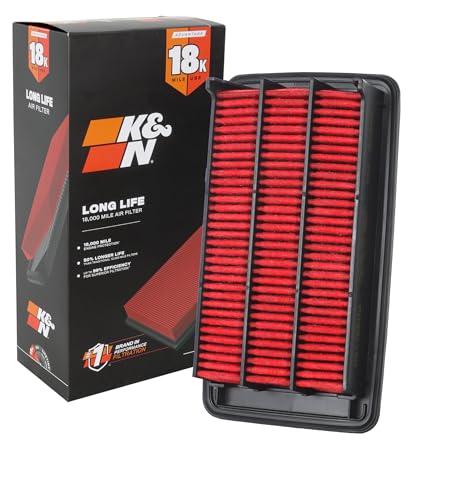
 Top 3 Air Filters for Your Vehicle
Reliable Floor Jacks on a Budget: Best Picks for Under $150
Top-Rated Floor Jacks Over $100: Built for Professionals, Priced for Smart Buyers
If you want to know other articles similar to Honda Civic Air Filter Replacement Frequency Guide you can visit the Air Filter Care Replacement category.
When to Replace Your Car’s Air Filter

How Much Does Car Air Filter Replacement Cost?

What Are the Easiest Air Filter Replacement Methods?

DIY Car Air Filter Replacement: 5 Simple Tips

Top 3 Air Filters for Your Vehicle

7 Best Reasons Dirty Air Filters Reduce Gas Mileage

How to Spot a Clogged Car Air Filter

10 Best Local Stores for Car Air Filters
Leave a Reply
This is also interesting