






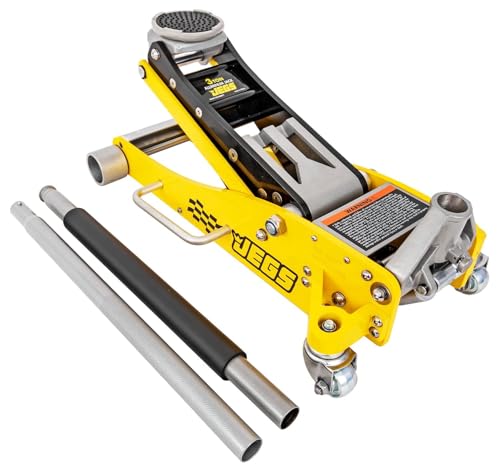

How to Fix a Floor Jack That Won't Hold Pressure: A Step-by-Step Guide


Floor jacks are useful tools for raising and supporting cars, trucks, and other heavy items. But when a floor jack won't hold pressure, it can be a real problem. Fortunately, there are some simple steps you can take to repair a floor jack that won't hold pressure.
Table
Step 1: Check the Oil Level
The first step in repairing a floor jack that won't hold pressure is to check the oil level. Floor jacks use hydraulic oil to power their lifting mechanisms. If the oil level is low, it can cause the jack to lose pressure. To check the oil level, locate the oil fill plug on the jack. Remove the plug and check the oil level. If the oil is low, add oil until the level is just below the fill plug.
Step 2: Check for Leaks

Once you have checked the oil level, the next step is to check for any leaks. Hydraulic oil can leak from the jack in several places, including the hydraulic cylinder, the hydraulic hoses, and the oil fill plug. To check for leaks, use a flashlight to look for any wet spots or pools of oil on the jack. If you find any, you will need to repair the leak before continuing.
Step 3: Inspect the Hydraulic Cylinder
The next step is to inspect the hydraulic cylinder. The cylinder is the main component of the jack and is responsible for providing the power to lift the item. Look for any signs of damage or wear, such as cracks, dents, or scratches. If you find any, you will need to replace the cylinder before continuing.
 How to Repair a Hydraulic Floor Jack: Step-by-Step Instructions
Step 4: Check the Valves
The next step is to check the valves. The valves are responsible for controlling the flow of hydraulic oil and, if they are not working properly, can cause the jack to lose pressure. Check the valves for any signs of damage or wear, such as cracks, dents, or scratches. If you find any, you will need to replace the valves before continuing.
Step 5: Replace the O-Rings
The final step is to replace the O-rings. The O-rings are responsible for sealing the hydraulic system and, if they are worn or damaged, can cause the jack to lose pressure. To replace the O-rings, you will need to purchase new ones and then replace the old ones. Once the O-rings have been replaced, the jack should be able to hold pressure.
 Get the Job Done Right with a Heavy-Duty Lower Floor Jack
Conclusion
Repairing a floor jack that won't hold pressure is not a difficult task. With a few simple steps, you can have your jack up and running in no time. Start by checking the oil level, looking for any leaks, inspecting the hydraulic cylinder, checking the valves, and replacing the O-rings. Once these steps have been completed, your jack should be able to hold pressure.
 Best Mac Tools Floor Jacks for Your Garage: Reviews and Buying Guide
Reliable Floor Jacks on a Budget: Best Picks for Under $150
Top-Rated Floor Jacks Over $100: Built for Professionals, Priced for Smart Buyers
If you want to know other articles similar to How to Fix a Floor Jack That Won't Hold Pressure: A Step-by-Step Guide you can visit the Floor Jack Troubleshooting category.
Solving the Problem: Why Your Hydraulic Floor Jack Isn't Lifting

How to Safely Use a Floor Jack Without the Handle

Releasing a Floor Jack: A Step-by-Step Guide to Get the Job Done Right

How to Safely Lower a Floor Jack Without the Handle

How to Fix a Floor Jack That Won't Stay Up: A Step-by-Step Guide

How to Fix a Floor Jack That's Stuck Up - An Essential Guide

How to Use a Floor Jack Safely: Tips for a Smooth, Slow Lowering

Solving the Mystery of a Floor Jack Release Valve That Won't Tighten
Leave a Reply
This is also interesting